
Making Sense of Your Home’s Water: Softening, Filtering, and Purification
Water is one of those things we tend to take for granted. It comes out of the tap, fills the kettle, runs through the washing machine, and disappears down the drain. Most days, we…
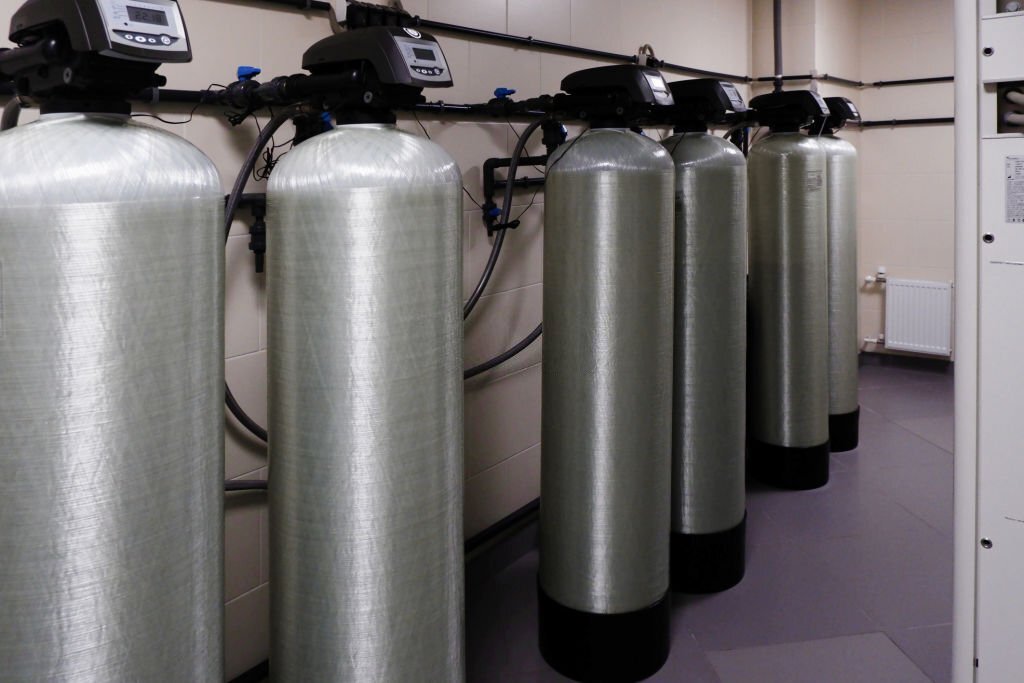
Water is one of those things we tend to take for granted. It comes out of the tap, fills the kettle, runs through the washing machine, and disappears down the drain. Most days, we barely give it a second thought. Then the bathroom fixtures develop stubborn white marks, glasses come out of the dishwasher looking cloudy, or the water starts tasting a little different. Suddenly, the quality of the water at home becomes worth investigating.
The interesting thing is that these problems don’t always have the same cause. Some are linked to minerals naturally present in water, while others may involve sediment, disinfectants, or specific contaminants. Understanding the difference makes it easier to choose the right treatment instead of spending money on equipment that doesn’t address the real issue.
Also read: Reliable Water Treatment Starts With Good Service and Everyday Care
What Your Water Can Tell You
Water conditions vary considerably depending on where a home is located and how its supply is managed. Municipal water is treated to meet applicable drinking water standards, but its mineral content and taste can still differ from one area to another. Private wells have their own considerations because groundwater characteristics depend on local geology, nearby activities, and well maintenance.
Sometimes, the clues are easy to spot. Chalky deposits around taps often suggest hard water. Orange or reddish staining can indicate iron, while an unusual odor may point to sulfur compounds or another issue. These signs can help you decide what to investigate, but they aren’t reliable tests on their own.
Also read: A Smarter Approach to Home Water: From Testing to the Right Treatment
Certain contaminants cannot be identified by looking at or smelling the water. If you’re concerned about safety, use appropriate testing rather than relying on appearance. Homeowners with private wells should follow local health recommendations for routine testing, particularly for bacteria and nitrates.
Understanding Hard Water and Mineral Buildup
Hard water contains elevated levels of calcium and magnesium. These minerals occur naturally as groundwater moves through soil and rock. They’re not usually considered a health hazard at typical drinking-water concentrations, but they can create frustrating problems around the house.
Also read: Air Conditioner Replacement in Columbus: Ensuring Comfort and Efficiency
Soap may lather less easily, shower doors can develop cloudy spots, and kettles may accumulate scale. Over time, scale can also build up inside water heaters and other equipment, potentially affecting efficiency and increasing maintenance needs.
For households dealing with these issues, water softeners may offer a practical solution. Most conventional softeners use ion exchange to replace calcium and magnesium ions with sodium or potassium ions. The result is softer water that generally leaves fewer mineral deposits on fixtures and appliances.
Also read: Choosing the Right Water Heating System for Everyday Comfort and Peace of Mind
However, softening isn’t the same as removing every contaminant. A standard softener isn’t designed to disinfect water or eliminate substances such as lead, pesticides, or bacteria. It also adds some sodium to the treated water, which may matter to people following a medically prescribed sodium restriction. In such cases, discuss suitable options with a healthcare professional and water treatment specialist.
How Filtration Helps Improve Water
Filtration is a broad term covering several technologies, each designed to capture or reduce particular substances. A sediment filter, for example, traps particles such as sand, silt, and rust. Activated carbon filters can reduce chlorine taste and odor and may address certain organic compounds when the product is specifically designed and certified for those uses.
Also read: What Really Makes a New Home Feel Luxurious?
The key is matching the filter to the problem. A basic sediment cartridge won’t necessarily improve dissolved mineral content, and a carbon filter shouldn’t be assumed to remove every chemical or microorganism.
Good filtration starts with knowing what you want the equipment to accomplish. If chlorine taste is your main complaint, a properly rated carbon filter may be enough. If your water contains a specific contaminant, look for a product with verified performance against that substance. Recognized certifications, including those from NSF, can help consumers evaluate claims, but the exact certification and contaminant reduction listing matter.
Filters also have a working life. As cartridges collect particles or their treatment media becomes exhausted, performance can decline. Following replacement schedules is important, even if the water still looks clear.
When Water Purification May Be Necessary
Sometimes, ordinary filtration isn’t enough to address a particular water concern. Depending on test results, a household may need a more specialized process. Reverse osmosis, ultraviolet disinfection, and other treatment technologies each serve different purposes.
Reverse osmosis pushes water through a semipermeable membrane to reduce many dissolved substances. It is often installed beneath a kitchen sink for drinking and cooking water. Performance varies by system, so homeowners should check which contaminants the unit is designed and tested to reduce. Reverse osmosis can also produce wastewater, making efficiency an important factor when comparing models.
Ultraviolet systems use UV light to inactivate certain microorganisms. They can be useful for appropriately designed private-well treatment systems, but they don’t remove dissolved chemicals or particles. Water generally needs adequate clarity for effective UV treatment, and the system must be installed and maintained according to the manufacturer’s requirements.
In other words, water purification isn’t one universal process. The right approach depends on the source, the contaminants identified, and the level of treatment needed. Testing helps establish those requirements and prevents unnecessary equipment from being installed.
Choosing Between Whole-Home and Drinking-Water Systems
Another decision is whether to treat all the water entering your property or focus on the kitchen tap. Whole-home systems are installed where the main supply enters the house. Depending on their design, they can address issues that affect showers, laundry, fixtures, and appliances.
Point-of-use systems treat water at a specific location, often through a dedicated drinking-water faucet. They’re useful when the main concern relates to water used for drinking and food preparation rather than the entire plumbing system.
There’s no automatic winner. A home with widespread sediment problems may benefit from a whole-home filter, while a household mainly concerned about drinking-water taste may prefer a compact kitchen unit. Some properties need several stages of treatment, but more equipment doesn’t necessarily mean better results.
Before buying anything, compare installation requirements, replacement parts, water flow, operating costs, and the supplier’s ability to provide ongoing service. A system that suits your neighbor may not be appropriate for your home.
Maintenance Keeps the System Reliable
Treatment equipment needs attention after installation. Filters require replacement, softeners need periodic checks, and reverse osmosis systems have membranes and cartridges that must be serviced. UV systems require scheduled lamp replacement and appropriate cleaning.
Keep a simple record of service dates and follow the manufacturer’s instructions. If the original concern involved a health-related contaminant, periodic testing can help confirm that the system continues to perform as intended. Don’t assume a filter is still effective just because water passes through it without any noticeable change.
It’s also wise to check for leaks and unusual changes in pressure or taste. Small issues are generally easier to investigate before they become expensive repairs.
Better Water Begins With Better Information
Improving your home’s water doesn’t have to involve a complicated collection of equipment. Start by identifying the problem, review available water reports, and arrange testing when necessary. Then choose a treatment system based on verified performance rather than broad promises.
Softening, filtering, and purification can all play useful roles, but they aren’t interchangeable. Understanding what each process does helps you make a sensible investment and maintain it properly. The result is a water system that fits your household’s real needs, supports everyday comfort, and gives you greater confidence in the water you use each day.

Related Posts
 Home Services
Reliable Water Treatment Starts With Good Service and Everyday Care
Clean, dependable water makes a difference in nearly every part of daily life. It affects the morning shower,…
 Home Services
A Smarter Approach to Home Water: From Testing to the Right Treatment
There’s a particular kind of frustration that comes with a household problem you can’t quite explain. The bathroom…
 Home Services
Air Conditioner Replacement in Columbus: Ensuring Comfort and Efficiency
As Columbus, Ohio, experiences a mix of hot summers and mild seasons, having a reliable air conditioning system…