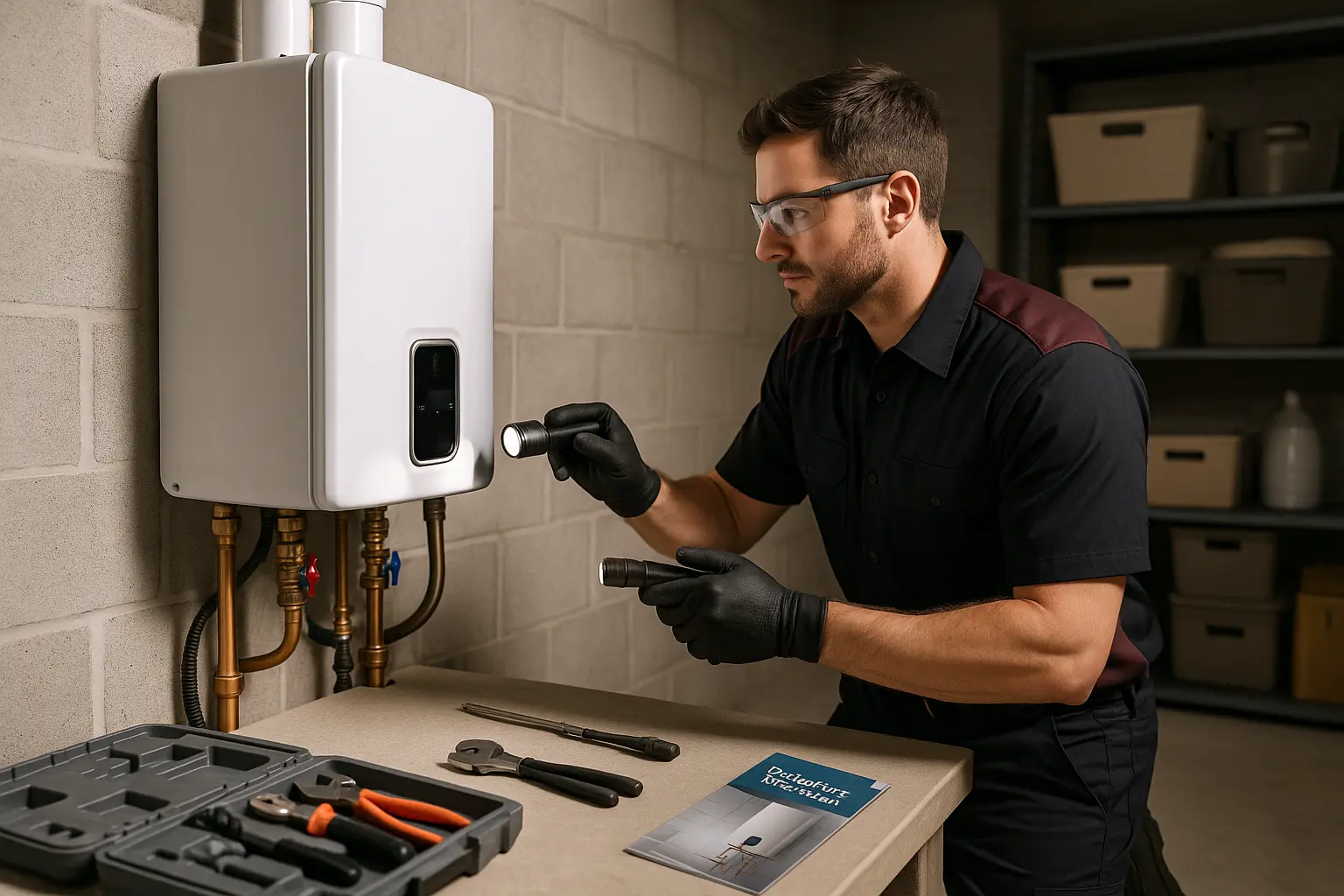
Hot water is part of nearly every household routine. It’s there when you take a shower before work, wash dishes after dinner, clean the laundry, or fill a sink for household chores. Because it is so familiar, most people only think about their water heater when the water turns cold or a leak appears beneath the unit.
Choosing and maintaining the right water heating system can make a real difference to comfort, energy consumption, and household expenses. Today’s homeowners have more options than ever, from traditional storage tanks to compact tankless models. The challenge is finding a system that suits the property, the family’s habits, and the available budget.
Why Reliable Hot Water Matters
A steady supply of reliable hot water is more than a luxury. It supports hygiene, cleaning, cooking, and general convenience. When a water heater begins to struggle, the effects can be surprisingly disruptive. A shower may turn cold halfway through, dishes may not clean properly, and laundry routines can become difficult to manage.
Inconsistent hot water can also be a sign of a deeper problem. Sediment buildup, a failing heating element, a damaged thermostat, or an undersized unit may all affect performance. Ignoring these warning signs could lead to higher energy bills or a complete system failure.
Homeowners should pay attention to changes in water temperature, unusual noises, leaks, rusty water, and longer heating times. These symptoms do not always mean the heater needs to be replaced, but they are worth having inspected by a qualified professional.
Exploring Different Types of Water Heaters
The most common water heating systems are traditional gas and electric storage heaters, along with tankless models. Each type has its own benefits and limitations, so the right choice depends on how the household uses hot water.
Gas, electric, and tankless water heaters differ in their operating methods, installation requirements, efficiency, and long-term costs. Gas storage heaters use a burner to heat water held in a tank. They can recover hot water relatively quickly, making them suitable for households with high demand. However, they require proper gas connections and ventilation.
Electric water heaters use heating elements powered by electricity. They are generally straightforward to install and do not require combustion venting. In some homes, they may be more practical than gas models, particularly where a gas supply is unavailable. Their operating cost, however, depends heavily on local electricity rates and usage patterns.
Tankless water heaters heat water only when it is needed. Since they do not store hot water, they can reduce standby heat loss and save valuable space. Still, they must be correctly sized, and installation may involve electrical upgrades, gas line adjustments, or changes to venting systems.
Understanding Household Hot Water Demand
Before choosing a water heater, homeowners should think about their daily routines. How many people live in the home? How many showers may run at once? Are there large bathtubs, multiple bathrooms, or appliances that use hot water regularly?
A small unit may be adequate for one or two people but frustrating for a larger family. If several fixtures are used simultaneously, the system may struggle to keep up. Tankless systems also have flow-rate limits, meaning the unit must be able to heat enough water at the required rate.
It is useful to consider peak demand rather than average use. A family may use little hot water during the day but require a large amount in the evening when everyone showers, dishes are washed, and laundry is running. A professional plumber can calculate the likely demand and recommend an appropriate capacity.
Oversizing is not always the best solution either. A larger tank may cost more to purchase and heat, even if the household rarely uses its full capacity. The goal is balance: enough hot water for normal routines without paying for unnecessary capacity.
Signs Your Water Heater Needs Attention
Water heaters usually provide warning signs before a major breakdown. Recognizing these symptoms early can help homeowners arrange service at a convenient time instead of dealing with an emergency later.
Common warning signs include:
- Water that remains lukewarm
- Hot water running out too quickly
- Popping, banging, or rumbling sounds
- Water pooling around the base of the tank
- Rust-colored hot water
- A pilot light that repeatedly goes out
- Unusual increases in energy bills
- Visible corrosion around valves or connections
Some issues can be repaired relatively easily. A technician may replace a thermostat, heating element, thermocouple, pressure relief valve, or damaged connection. Sediment buildup may also be addressed through professional flushing, depending on the condition of the tank.
However, a leaking storage tank is usually a serious concern. Once the internal tank structure has corroded, a permanent repair is rarely practical. In that situation, replacement is generally safer and more cost-effective than repeated temporary fixes.
When to Call Emergency Plumbing Professionals
Not every water heater problem requires immediate emergency service. A gradual decline in performance can often wait for a scheduled appointment. But certain situations should be treated as urgent, particularly when water is actively leaking or gas may be involved.
Homeowners may need emergency plumbers when a water heater suddenly bursts, a large leak threatens flooring or walls, or a gas odor is detected near a gas-powered unit. If a gas leak is suspected, leave the area immediately, avoid flames and electrical switches, and contact the gas utility or emergency services from a safe location.
For a major water leak, turn off the water supply to the heater if it can be done safely. If the unit is electric, switch off the power at the appropriate breaker only when there is no risk of standing water or electrical contact. Gas appliances should be handled carefully, and homeowners should never attempt to repair gas lines or combustion components themselves.
Fast professional response can limit water damage, reduce safety risks, and prevent a small failure from becoming a much larger household problem.
Improving Water Heater Efficiency
Even a properly functioning water heater can waste energy if it is poorly maintained or incorrectly adjusted. Insulating exposed hot-water pipes may help reduce heat loss, particularly when the water heater is located far from bathrooms or kitchens. A safe thermostat setting can also reduce energy consumption and lower the risk of scalding.
For tank-style systems, regular inspection and sediment management can improve efficiency. Sediment acts like an insulating layer at the bottom of the tank, forcing the unit to work harder. Tankless models may need periodic descaling, especially in homes with hard water.
Low-flow showerheads and efficient faucets can reduce hot-water demand without making showers uncomfortable. Fixing dripping hot-water taps is also worthwhile because even a small leak can waste both water and energy over time.
Selecting a Qualified Plumbing Company
The quality of service matters as much as the equipment itself. Homeowners should choose a licensed, insured plumbing company with experience working on the type of water heater installed in the home.
Before approving major work, ask for a written estimate that explains labor, materials, permits, disposal, and any required upgrades. A reputable professional should also discuss warranty terms, expected maintenance, energy considerations, and the likely lifespan of the system.
Avoid choosing a contractor based solely on the lowest price. Poor installation can result in leaks, inefficient operation, safety hazards, and premature failure. Clear communication and proper workmanship are worth the investment.
A Better Approach to Home Comfort
A dependable water heater supports countless everyday activities, and choosing the right system can improve comfort while controlling long-term costs. Whether a home uses gas, electricity, or tankless technology, proper sizing, professional installation, and routine maintenance are essential.
Homeowners don’t need to wait for a complete breakdown to take action. Paying attention to warning signs, arranging inspections, and understanding replacement options can make water heating decisions less stressful. With the right system and responsible care, hot water can remain one of those quiet comforts that simply works when you need it.