Blog

  • How Lifestyle Brands Use Public Relations to Build Relevance and Trust

    How Lifestyle Brands Use Public Relations to Build Relevance and Trust

    Lifestyle brands operate in a space where people often buy into more than a product. They connect with a particular aesthetic, interest, experience, or way of living. Because of this, building trust requires more than simply promoting what a brand sells. Public relations services can help lifestyle businesses become part of the conversations their audiences already care about.

    From fashion and beauty to wellness, travel, food, and home brands, PR can help businesses communicate their identity in a way that feels relevant rather than promotional.

    Making the Brand Part of a Larger Conversation

    One of the strengths of public relations is its ability to place a brand within a wider story. Instead of asking an audience to pay attention to an advertisement, PR can introduce the brand through an article, interview, expert comment, trend story, or feature.

    For lifestyle businesses, this can be particularly useful because their audiences are often interested in trends and ideas surrounding the product itself.

    For example, a fashion brand might contribute expert commentary to a story about changing wardrobe habits, while a wellness company could provide insights for an article about everyday routines. The brand becomes part of a useful conversation rather than simply promoting its own offering.

    Why Authenticity Matters

    Lifestyle audiences are often quick to notice when communication feels overly polished or sales-driven. Public relations gives brands an opportunity to show a more human side through founders, designers, experts, customers, and real experiences.

    This is one reason lifestyle public relations often focuses on storytelling. A founder’s journey, the thinking behind a product, or the cultural context surrounding a brand can provide journalists with a stronger story than a straightforward product announcement.

    These stories can also help audiences understand what makes a brand different without relying on exaggerated claims.

    Working With the Right Media

    Getting coverage is only one part of an effective PR strategy. Where a brand appears matters too.

    A feature in a publication that is genuinely relevant to the target audience can be more meaningful than broad coverage with little connection to the brand. This makes media research and relationship building an important part of PR planning.

    Businesses looking for support may work with PR companiesthat understand the local media landscape while also having experience with broader lifestyle and consumer audiences. The right approach depends on the brand, its audience, and the story it has to tell.

    Building Recognition Over Time

    Trust is rarely created through one article or one campaign. It develops through repeated, consistent exposure to useful and credible information.

    A lifestyle brand that regularly appears in relevant conversations can gradually build recognition. Media coverage, expert commentary, interviews, events, and thoughtful storytelling can all contribute to that presence.

    The most effective PR strategies therefore look beyond immediate publicity. They consider how each story contributes to the brand’s wider identity and how audiences might perceive the company over time.

    For lifestyle brands, relevance and trust go hand in hand. When PR companies vancouver focuses on genuine stories, useful expertise, and the interests of the audience, publicity becomes more than a mention. It becomes a way for the brand to build a meaningful place within the conversations that matter to its customers.

  • Chemical Peels, Microneedling, and Lasers: What Results Can You Really Expect?

    Chemical Peels, Microneedling, and Lasers: What Results Can You Really Expect?

    A polished before-and-after photo can make a cosmetic skin treatment look almost effortless.

    But the redness, the peeling, the number of visits, and the weeks or even months that results take to appear are often omitted from the picture.

    A chemical peel, microneedling, or laser treatment can help with a variety of skin problems: a rough surface, pockmarks, dark spots, wrinkles, and more. However, these procedures are not the same, and recovery can vary greatly.

    Understanding what happens between the time you sit in the treatment chair and get your desired result may help set your expectations right.

    Chemical Peels Can Range From Light To Intensive

    Not every peel means days of obvious peeling.

    All peels don’t mean several days of visible peeling.

    A “superficial” or “lunchtime” peel may cause redness and then scaling, and the procedure, which Ahmedabad call girls may also consider, will take approximately one to seven days to heal. Some people will have to undergo several peels instead of just one visit.

    Deep peels cause substantial redness, swelling, and peeling, which usually takes seven to 14 days to heal. Deep peels need more healing time.

    Results will be different depending on what kind of skin problem you want to resolve. Peels can be used to improve uneven coloration, dull skin, certain types of acne, fine lines, and rough skin, but not to prevent skin aging.

    Therefore, “chemical peel” doesn’t represent one experience only. The depth and purpose of the treatment matter.

    Microneedling Usually Has Less Downtime

    Microneedling takes a different approach.

    Small needles are used to make tiny punctures in the skin in order to stimulate the body’s natural collagen formation process. This treatment is also known as collagen induction therapy.

    The side effects include skin redness, inflammation, burning, or something like a mild sunburn. They usually pass in a few days up to one week, and many people are able to go back to work right away.

    The bigger catch is that the result is not instant.

    Remodeling of collagen requires some time. Some effect may be observed in several weeks, while for full effects, several months will be required. Repeat treatments are sometimes required, especially in the case of treatment of acne scars.

    This makes microneedling a typical “slow burn” treatment: minimal downtime, but some patience is required.

    Lasers Have A Wider Recovery Range

    “Laser treatment” is an especially broad term.

    Lasers treat various problems, and some of them require no downtime, whereas others need considerable recovery time. The non-ablative methods, which may also be considered by Dehradun call girls, usually do not remove as much skin as ablative resurfacing does, while ablative resurfacing can take more recovery time.

    This distinction becomes crucial when planning your schedule with regard to work, travel, or social events.

    Moreover, laser treatments usually take several procedures, and improvements might not be instant but occur later. This depends greatly on the type of laser treatment, problem, and patient’s characteristics.

    The “Glow” Is Not The Whole Result

    Cosmetic procedures are usually promoted on the basis of giving off a certain glow, improved texture, or dramatic before-and-after image.

    This may be good news, but it is just part of the story.

    Not all changes are apparent or quick. Not all problems respond the same way to a procedure. And some treatments may require follow-up appointments as the skin ages and underlying conditions return.

    The initial state of your skin plays a role as well. Two individuals undergoing the same treatment may have completely different recovery and results.

    The Best Result Starts With Realistic Expectations

    Chemical peeling, micro-needling, and lasers may all fit into cosmetic dermatology treatments. However, for Kochi escorts considering these options, the selection of such treatments should not start from the ideal before-and-after.

    First of all, one should figure out the actual problem.

    After that, it is necessary to see how much improvement is achievable, how many procedures will be needed, what the recovery period will be, and when the result will be seen.

    A good treatment plan takes your skin, your objectives, your time frame, and your ability to recover into consideration.

    This is why the right question to ask is not only, “Which treatment gives the best results?”

    It is “What results can this particular treatment realistically deliver, and what will I need to go through to get there?”

    That is the difference between booking a procedure based on a photo and making an informed decision about your skin.

  • How to Build a Thoughtful Guest Posting Strategy for Long-Term Visibility

    Guest posting remains one of the most practical ways for a growing website to reach new readers, demonstrate expertise, and earn editorially placed links. However, the value of a guest post is not determined by a single metric or by how many articles are published in a month. A useful strategy begins with relevance, sound content, and careful selection of the websites where that content will appear.

    What Guest Posting Can Do for a Website

    At its best, guest posting places a useful article in front of an audience that already has an interest in the topic. A finance writer may contribute to a small-business publication, for example, while a travel business may share destination advice on a respected tourism blog. The reader benefits from a relevant resource, the publisher receives original material, and the contributor gains exposure to a new audience.

    Search visibility can be an additional benefit. When an established site links to a relevant page on another site, it provides context about that page and can help search engines understand its subject matter. This should be viewed as one part of a broader marketing and content plan, not as a shortcut that replaces good technical SEO, original pages, and a strong user experience.

    Look Beyond Domain Authority

    Domain Authority, often shortened to DA, is a third-party metric intended to estimate the relative strength of a website’s link profile. It can be a useful screening tool, especially when comparing potential publishing opportunities. Still, it is not a search-engine ranking factor on its own, and it should never be the only reason to choose a site.

    A highly rated website with unrelated content, inactive readers, or thin editorial standards may add little real value. In contrast, a smaller publication with a loyal audience in the exact industry can create a more meaningful opportunity. Before pursuing any placement, consider the full picture:

    • Is the website clearly related to your business, service, or topic?
    • Does it publish articles that are useful, readable, and properly edited?
    • Are recent posts being added consistently?
    • Does the site appear to have genuine visitors rather than pages built only for links?
    • Would a real reader find your contribution relevant and credible?

    Those questions lead to better decisions than a metric alone. Authority matters, but context and editorial quality matter just as much.

    Choose Topics That Serve the Host Site’s Readers

    The most successful guest articles do not begin with a link. They begin with a problem the host site’s audience wants solved. Review the publication’s existing categories, article length, tone, and frequently covered questions. This shows where your experience can add something new instead of repeating content already available on the site.

    A good topic is specific enough to be practical. Rather than pitching a broad article about “digital marketing,” a contributor could explain how local service businesses can improve enquiry forms, how online shops can prepare seasonal product pages, or how founders can assess content performance without getting lost in dashboards. Specific subjects give writers room to offer steps, examples, and useful cautions.

    Match the Angle to the Audience

    Audience fit should influence both the headline and the depth of the article. Beginners may need definitions and simple examples. Experienced readers often prefer comparisons, implementation advice, and common mistakes to avoid. A piece aimed at small-business owners should use direct language and clear actions, while an article for technical readers can explore more detailed processes.

    This approach also makes any link more natural. If a resource genuinely helps readers take the next step, it belongs in the article. If it interrupts the subject or sends readers to an unrelated page, it weakens the content.

    Create Content Worth Publishing

    Editors and readers can quickly recognise an article written only to secure a backlink. It tends to be vague, overly promotional, and full of repeated phrases. A stronger contribution has a clear point of view and enough detail for someone to use it.

    Before submitting an article, check that it includes the following:

    1. A clear introduction that explains why the topic matters.
    2. Organised sections that make the advice easy to scan.
    3. Examples, checklists, or steps that turn general ideas into action.
    4. Accurate claims that can be supported if an editor asks questions.
    5. A concise conclusion that reinforces the main takeaway.

    Originality is equally important. Do not lightly rewrite an old post from your own site or reproduce information that has appeared elsewhere. A fresh angle, current examples, and audience-specific advice make a contribution more likely to be accepted and shared.

    Place Links With Care

    A guest post should contain only links that improve the reader’s understanding. Usually, one well-placed contextual link is more useful than several forced ones. The anchor text should describe the destination naturally and should not feel like a slogan inserted into an otherwise unrelated sentence.

    For businesses and agencies that need access to suitable editorial opportunities, it can be helpful to compare options for high-DA guest posts alongside relevance, traffic quality, publication standards, and turnaround expectations. The goal is not merely to obtain a placement, but to select one that makes sense for the page being referenced and the people likely to read the article.

    It is also wise to vary the pages promoted over time. Linking repeatedly to one commercial page can look unnatural and limits the usefulness of a wider content library. Educational guides, research pages, practical tools, and genuinely helpful service pages may each be appropriate when they match the article’s subject.

    Evaluate Opportunities Before You Commit

    A quick review can prevent low-quality placements. Read several recent articles rather than judging a site only by its homepage. Look for clear authorship, sensible internal linking, functioning pages, and content that appears to be written for people. Be cautious if every post is stuffed with outbound commercial links, if the subjects change wildly from one paragraph to the next, or if the site has no apparent editorial identity.

    It is worth asking what success will look like before publication. Depending on the campaign, the goal may be referral visits, improved brand recognition, introductions to industry readers, or support for a particular content page. Tracking the source of traffic and monitoring engagement after publication can reveal which types of sites and topics are actually worthwhile.

    Build Visibility Through Useful Contributions

    Guest posting works best when it is treated as publishing rather than placement. A relevant website, a well-researched topic, and a helpful article create a better experience for every party involved. Over time, that standard can build credibility, introduce a brand to qualified readers, and support sustainable online visibility without relying on superficial metrics alone.

  • Choosing the Right Water Heating System for Everyday Comfort and Peace of Mind

    Choosing the Right Water Heating System for Everyday Comfort and Peace of Mind

    Hot water is part of nearly every household routine. It’s there when you take a shower before work, wash dishes after dinner, clean the laundry, or fill a sink for household chores. Because it is so familiar, most people only think about their water heater when the water turns cold or a leak appears beneath the unit.

    Choosing and maintaining the right water heating system can make a real difference to comfort, energy consumption, and household expenses. Today’s homeowners have more options than ever, from traditional storage tanks to compact tankless models. The challenge is finding a system that suits the property, the family’s habits, and the available budget.

    Why Reliable Hot Water Matters

    A steady supply of reliable hot water is more than a luxury. It supports hygiene, cleaning, cooking, and general convenience. When a water heater begins to struggle, the effects can be surprisingly disruptive. A shower may turn cold halfway through, dishes may not clean properly, and laundry routines can become difficult to manage.

    Inconsistent hot water can also be a sign of a deeper problem. Sediment buildup, a failing heating element, a damaged thermostat, or an undersized unit may all affect performance. Ignoring these warning signs could lead to higher energy bills or a complete system failure.

    Homeowners should pay attention to changes in water temperature, unusual noises, leaks, rusty water, and longer heating times. These symptoms do not always mean the heater needs to be replaced, but they are worth having inspected by a qualified professional.

    Exploring Different Types of Water Heaters

    The most common water heating systems are traditional gas and electric storage heaters, along with tankless models. Each type has its own benefits and limitations, so the right choice depends on how the household uses hot water.

    Gas, electric, and tankless water heaters differ in their operating methods, installation requirements, efficiency, and long-term costs. Gas storage heaters use a burner to heat water held in a tank. They can recover hot water relatively quickly, making them suitable for households with high demand. However, they require proper gas connections and ventilation.

    Electric water heaters use heating elements powered by electricity. They are generally straightforward to install and do not require combustion venting. In some homes, they may be more practical than gas models, particularly where a gas supply is unavailable. Their operating cost, however, depends heavily on local electricity rates and usage patterns.

    Tankless water heaters heat water only when it is needed. Since they do not store hot water, they can reduce standby heat loss and save valuable space. Still, they must be correctly sized, and installation may involve electrical upgrades, gas line adjustments, or changes to venting systems.

    Understanding Household Hot Water Demand

    Before choosing a water heater, homeowners should think about their daily routines. How many people live in the home? How many showers may run at once? Are there large bathtubs, multiple bathrooms, or appliances that use hot water regularly?

    A small unit may be adequate for one or two people but frustrating for a larger family. If several fixtures are used simultaneously, the system may struggle to keep up. Tankless systems also have flow-rate limits, meaning the unit must be able to heat enough water at the required rate.

    It is useful to consider peak demand rather than average use. A family may use little hot water during the day but require a large amount in the evening when everyone showers, dishes are washed, and laundry is running. A professional plumber can calculate the likely demand and recommend an appropriate capacity.

    Oversizing is not always the best solution either. A larger tank may cost more to purchase and heat, even if the household rarely uses its full capacity. The goal is balance: enough hot water for normal routines without paying for unnecessary capacity.

    Signs Your Water Heater Needs Attention

    Water heaters usually provide warning signs before a major breakdown. Recognizing these symptoms early can help homeowners arrange service at a convenient time instead of dealing with an emergency later.

    Common warning signs include:

    • Water that remains lukewarm
    • Hot water running out too quickly
    • Popping, banging, or rumbling sounds
    • Water pooling around the base of the tank
    • Rust-colored hot water
    • A pilot light that repeatedly goes out
    • Unusual increases in energy bills
    • Visible corrosion around valves or connections

    Some issues can be repaired relatively easily. A technician may replace a thermostat, heating element, thermocouple, pressure relief valve, or damaged connection. Sediment buildup may also be addressed through professional flushing, depending on the condition of the tank.

    However, a leaking storage tank is usually a serious concern. Once the internal tank structure has corroded, a permanent repair is rarely practical. In that situation, replacement is generally safer and more cost-effective than repeated temporary fixes.

    When to Call Emergency Plumbing Professionals

    Not every water heater problem requires immediate emergency service. A gradual decline in performance can often wait for a scheduled appointment. But certain situations should be treated as urgent, particularly when water is actively leaking or gas may be involved.

    Homeowners may need emergency plumbers when a water heater suddenly bursts, a large leak threatens flooring or walls, or a gas odor is detected near a gas-powered unit. If a gas leak is suspected, leave the area immediately, avoid flames and electrical switches, and contact the gas utility or emergency services from a safe location.

    For a major water leak, turn off the water supply to the heater if it can be done safely. If the unit is electric, switch off the power at the appropriate breaker only when there is no risk of standing water or electrical contact. Gas appliances should be handled carefully, and homeowners should never attempt to repair gas lines or combustion components themselves.

    Fast professional response can limit water damage, reduce safety risks, and prevent a small failure from becoming a much larger household problem.

    Improving Water Heater Efficiency

    Even a properly functioning water heater can waste energy if it is poorly maintained or incorrectly adjusted. Insulating exposed hot-water pipes may help reduce heat loss, particularly when the water heater is located far from bathrooms or kitchens. A safe thermostat setting can also reduce energy consumption and lower the risk of scalding.

    For tank-style systems, regular inspection and sediment management can improve efficiency. Sediment acts like an insulating layer at the bottom of the tank, forcing the unit to work harder. Tankless models may need periodic descaling, especially in homes with hard water.

    Low-flow showerheads and efficient faucets can reduce hot-water demand without making showers uncomfortable. Fixing dripping hot-water taps is also worthwhile because even a small leak can waste both water and energy over time.

    Selecting a Qualified Plumbing Company

    The quality of service matters as much as the equipment itself. Homeowners should choose a licensed, insured plumbing company with experience working on the type of water heater installed in the home.

    Before approving major work, ask for a written estimate that explains labor, materials, permits, disposal, and any required upgrades. A reputable professional should also discuss warranty terms, expected maintenance, energy considerations, and the likely lifespan of the system.

    Avoid choosing a contractor based solely on the lowest price. Poor installation can result in leaks, inefficient operation, safety hazards, and premature failure. Clear communication and proper workmanship are worth the investment.

    A Better Approach to Home Comfort

    A dependable water heater supports countless everyday activities, and choosing the right system can improve comfort while controlling long-term costs. Whether a home uses gas, electricity, or tankless technology, proper sizing, professional installation, and routine maintenance are essential.

    Homeowners don’t need to wait for a complete breakdown to take action. Paying attention to warning signs, arranging inspections, and understanding replacement options can make water heating decisions less stressful. With the right system and responsible care, hot water can remain one of those quiet comforts that simply works when you need it.

  •  What Really Makes a New Home Feel Luxurious?

     What Really Makes a New Home Feel Luxurious?

    Luxury in a home isn’t always about marble floors, oversized chandeliers or a kitchen that looks like it belongs in a magazine. Sometimes, it’s the little things that make you pause when you walk through the door—the way sunlight reaches the living room, how quietly the air conditioning runs, or how every switch and cabinet seems to be exactly where you expect it to be.

    That’s perhaps the most interesting thing about modern home design. Comfort has become just as important as appearance. Homeowners want beautiful spaces, yes, but they also want homes that work well on an ordinary Tuesday morning. A house can look impressive, but if you’re constantly searching for outlets or bumping into badly placed furniture, the shine wears off pretty quickly.

    Luxury Starts With How a Home Feels

    Walk into a genuinely well-designed house and you might not immediately be able to explain why it feels different. There may be generous windows, balanced proportions, natural materials and plenty of open space, but the real difference is usually in how those elements work together.

    Modern luxurious new homes are increasingly designed around comfort and everyday living rather than simply trying to impress visitors. Open-plan kitchens can make family gatherings easier. Quiet bedrooms create a better place to unwind. Thoughtfully positioned storage keeps clutter under control.

    Even small details matter. A doorway that opens in the right direction, enough space beside the bed, convenient charging points and lighting that doesn’t leave dark corners can make daily life surprisingly smoother.

    Good Design Isn’t About Following Every Trend

    Home design trends come and go. One year everyone wants completely open rooms; a few years later, people start craving quiet corners and separate spaces again.

    That’s why it’s better to focus on what suits your lifestyle rather than blindly copying what happens to be popular. If you work from home, for example, a proper office may be more valuable than another decorative sitting area. If you enjoy cooking, investing in a functional kitchen could make more sense than spending heavily on a formal dining room you rarely use.

    Personal taste matters too. A home should feel like someone’s home, not a showroom where nobody is allowed to touch anything.

    Renovating an Existing Home Can Be Just as Rewarding

    Buying a new property isn’t the only way to create a beautiful living space. Older homes often have character that newer builds simply can’t reproduce—the proportions, mature gardens, solid construction or little architectural quirks.

    The challenge is blending that character with modern expectations.

    This is where tailored renovations can be particularly valuable. Instead of forcing an old property into a completely new style, thoughtful renovation can preserve what works while improving the areas that no longer suit contemporary life.

    Perhaps the kitchen needs to be opened up. Maybe the bathroom layout wastes space. Or the bedrooms need better storage. Sometimes the most successful renovation is surprisingly restrained.

    A good renovation doesn’t erase a home’s history. It gives that history a chance to keep going.

    Pay Attention to Natural Light

    Natural light can transform a room more effectively than expensive decoration. A dark room can feel smaller and less inviting, while a bright space often feels larger even when the actual dimensions haven’t changed.

    Large windows are an obvious solution, but they’re not the only one. Interior glass doors, skylights, lighter wall colours and carefully positioned mirrors can all help distribute daylight.

    Window treatments deserve attention too. Heavy curtains might look dramatic, but they can block useful daylight for much of the day. Adjustable blinds or lighter fabrics can give homeowners more control.

    And then there is artificial lighting. A combination of ceiling fixtures, wall lights, task lighting and lamps usually feels more natural than relying on one extremely bright source.

    Don’t Treat Electrical Work as an Afterthought

    Behind the walls, a modern house depends on infrastructure that most people rarely think about until something goes wrong.

    Today’s homes use more electrical equipment than homes did even a couple of decades ago. Appliances, computers, entertainment systems, smart devices, heating and cooling equipment all place demands on the property’s wiring.

    Reliable electrical systems are therefore an important part of good home design. Outlets should be positioned where they’re actually needed, circuits should be appropriately designed, and installations should comply with relevant electrical standards.

    It’s tempting to focus most of the renovation budget on visible finishes, but infrastructure is one area where cutting corners can come back to bite you. A beautiful kitchen doesn’t feel quite so luxurious when you’re running extension cords everywhere.

    Kitchens Have Become the Heart of the Home

    The kitchen isn’t just a place for cooking anymore. It’s where people have breakfast, work on laptops, help children with homework, entertain friends and occasionally stand around at midnight looking for something sweet.

    That makes kitchen planning especially important.

    Storage should be easy to access. Work surfaces need enough room. Appliances should be arranged according to how they’re actually used, not simply because a particular layout looks symmetrical.

    Good ventilation matters as well. Nobody wants cooking smells lingering throughout the house for hours.

    Materials can add character, but practicality should lead the conversation. A surface that looks stunning but requires constant maintenance may become frustrating after a few months.

    Bathrooms Need Comfort, Not Just Style

    A bathroom can be one of the most enjoyable rooms in a home when it has been properly considered.

    Good ventilation helps control moisture. Adequate lighting makes everyday grooming easier. Storage keeps toiletries from taking over every available surface.

    Features such as walk-in showers, heated towel rails and quality fittings can add comfort without making the space feel excessively decorated.

    Again, it’s the combination that matters. A bathroom doesn’t need to resemble a luxury hotel to feel special. Sometimes clean lines, good materials and sensible planning are enough.

    Technology Should Make Life Easier

    Smart-home technology has become increasingly accessible, but the best technology tends to be the stuff you barely think about.

    Automated lighting can be useful when you come home late. Smart security systems can provide convenient monitoring. Temperature controls can help maintain comfort without constantly adjusting settings manually.

    But don’t install technology simply because it’s available. Every device adds another system to maintain, update and occasionally troubleshoot.

    The goal should be simple: technology should remove friction from everyday life, not create another list of things to manage.

    Don’t Forget Storage

    One of the least glamorous aspects of home design may also be one of the most important.

    Storage affects how a home feels every day. When shoes pile up near the entrance, kitchen counters disappear beneath appliances, or wardrobes are permanently overflowing, even a beautifully decorated property can feel chaotic.

    Built-in wardrobes, hidden cabinets, under-stair storage and well-planned utility areas can make a remarkable difference.

    Good storage isn’t necessarily about owning fewer things. It’s about giving the things you already own a sensible place to live.

    A Home Should Age Well

    The best homes aren’t designed only for the day the keys are handed over. They should remain useful as lifestyles change.

    Families grow. People work differently. Furniture gets replaced. Technology evolves. Priorities shift.

    Flexible rooms, durable materials and adaptable infrastructure can help a property keep up with those changes. Spending a little more thought on long-term functionality today can prevent expensive alterations later.

    The Real Meaning of Luxury

    In the end, luxury is personal.

    For one homeowner, it might mean a spectacular kitchen. For another, it’s a quiet reading room, a sun-filled garden or simply having enough storage that the house stays tidy without a heroic effort.

    The common thread is thoughtful design.

    A truly comfortable home doesn’t need to shout about its quality. You notice it in the way doors open smoothly, rooms feel balanced, lighting works when you need it, and everyday routines seem just a little easier.

    That’s the kind of luxury worth investing in—the kind you actually live with, every single day.

  • Why Proper Water Treatment Starts With Understanding Your Water

    Why Proper Water Treatment Starts With Understanding Your Water

    Water has a funny way of becoming invisible. We use it all day — for drinking, washing, cooking, cleaning, heating, and running equipment — yet most of us don’t think about what’s actually moving through the pipes until something goes wrong.

    A faucet starts showing white spots. A showerhead loses pressure. A water heater takes longer to do its job. Maybe the water tastes slightly different than it did a few months ago. These things can seem unrelated, but sometimes they point back to the same place: the quality and characteristics of the water supply.

    For homeowners and businesses alike, understanding the water first can make treatment decisions much easier. Instead of buying equipment based on guesswork or a sales pitch, you can choose a solution that addresses an actual need.

    Start With the Water You Have

    Every water source has its own personality, so to speak.

    Municipal water is treated before reaching a property, but that doesn’t mean its characteristics are identical everywhere. Private wells can vary even more depending on local geology, rainfall, groundwater conditions, and surrounding land use.

    One property might struggle mainly with hardness. Another may have sediment, iron, an unpleasant taste, or a particular dissolved substance that needs attention.

    Testing gives you a starting point.

    A basic analysis can provide useful information about pH, hardness, dissolved solids, iron, manganese, chlorine, and other characteristics. The appropriate test panel depends on the source and intended use.

    You don’t necessarily need to test for everything under the sun. You need enough reliable information to understand what you’re trying to fix.

    Hardness Levels Can Tell an Important Story

    Hardness is one of the most common reasons people look into water treatment.

    Calcium and magnesium are naturally occurring minerals. They’re not automatically a sign that water is unsafe. The bigger issue is often what they do to plumbing, fixtures, and appliances.

    When water is particularly hard, deposits may appear on faucets and glassware. Soap may lather differently. Water heaters and other equipment that heat water can develop mineral deposits over time.

    Knowing the hardness levels in your water helps determine whether softening makes sense and, if it does, how much capacity the system may need.

    There’s no point installing a treatment system designed for extremely hard water if your actual water is only mildly hard. Likewise, a small residential unit may not be appropriate for a property with substantial demand.

    Different Problems Need Different Solutions

    This is where water treatment can get confusing.

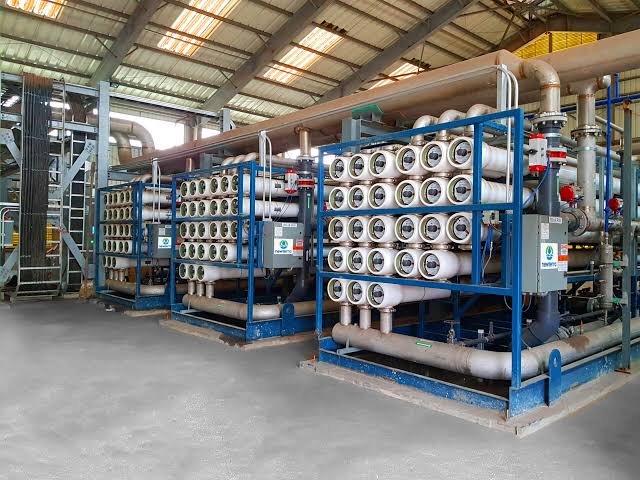
    A sediment filter removes particles. Activated carbon can improve taste and reduce certain chemicals. A water softener primarily addresses hardness minerals. Reverse osmosis can reduce many dissolved substances.

    These systems aren’t interchangeable.

    If your main complaint is scale, a softener may be the logical starting point. If you’re dealing with sediment, filtration may be more appropriate. If testing identifies a particular dissolved contaminant, a specialized treatment process may be required.

    Sometimes several technologies work together.

    The important thing is that every stage has a purpose.

    Sizing Isn’t Just About How Many People Live There

    It’s easy to assume that a household of four needs a certain size of treatment system and a household of eight needs something twice as large.

    Real water use isn’t quite that neat.

    What matters is both total consumption and peak demand.

    Think about a typical morning. Two people may be showering while another person runs the dishwasher and someone else starts a washing machine. The system suddenly has to handle several demands at once.

    Commercial properties can see even bigger spikes.

    Restaurants, hotels, laundries, healthcare facilities, and manufacturing plants may have very specific periods of heavy water consumption.

    That’s why system sizing should consider peak flow rather than relying only on average daily usage.

    Efficiency Isn’t About Buying the Biggest System

    More capacity isn’t automatically better.

    An oversized treatment system may cost more to purchase and operate without delivering a meaningful improvement in water quality.

    On the other hand, an undersized system can struggle during high-demand periods.

    The goal is maximum efficiency — enough treatment capacity to handle actual requirements without wasting unnecessary resources.

    That means looking at water chemistry, flow rates, daily usage, regeneration requirements, pressure, and the type of equipment being protected.

    A good supplier should be able to explain how those numbers led to a particular recommendation.

    If they can’t explain it, that’s a red flag.

    Think About Pressure and Flow

    Water treatment equipment becomes part of your plumbing system, so it needs to work with the property’s existing pressure and flow conditions.

    A filter that’s too restrictive can cause noticeable pressure loss. A system that isn’t designed for peak demand may leave users waiting for water when multiple fixtures are operating.

    This can be particularly frustrating in commercial settings.

    Imagine a restaurant during the dinner rush. Water is needed for cooking, handwashing, cleaning, dishwashing, and other tasks. A treatment system that can’t keep pace isn’t merely inconvenient — it can interfere with normal operations.

    Proper hydraulic design matters.

    Maintenance Is Part of the Deal

    Every water treatment system needs some level of care.

    Filters get dirty. Softener resin eventually needs regeneration or replacement. Reverse osmosis membranes don’t last forever. Valves, pumps, tanks, and controls can also require attention.

    Before buying equipment, ask what maintenance involves.

    How often are consumables replaced? Are replacement parts easy to find? Can routine tasks be performed by staff? Is professional servicing recommended?

    A system that’s simple to maintain is more likely to stay in good working order.

    And that matters because neglected equipment can gradually lose performance without anyone noticing immediately.

    Watch for Operational Disruptions

    Businesses have less room for water-treatment surprises than households do.

    If a treatment system stops working at home, it’s annoying. If it happens in a restaurant, hotel, factory, or healthcare facility, the consequences can be much more serious.

    Unexpected operational disruptions may affect cleaning, production, food preparation, equipment, or customer service.

    For critical applications, consider having a backup plan.

    That might mean treated-water storage, redundant treatment capacity, spare consumables, or a service agreement with a qualified provider.

    You don’t need to prepare for every imaginable disaster. Just think about what would happen if the system stopped tomorrow.

    Installation Matters More Than It Seems

    Even high-quality equipment can cause problems if it’s installed incorrectly.

    Plumbing connections, drainage, electrical requirements, bypass valves, pressure, and equipment positioning all need to be considered.

    Professional installation can also ensure that the system is started and configured according to manufacturer requirements.

    Ask what’s included before work begins.

    Will the installer test the system after startup? Will they explain the controls? Will you receive maintenance instructions?

    Those details can make ownership much easier.

    Don’t Forget the Cost of Ownership

    The purchase price tells only part of the story.

    Think about installation, electricity, water consumption, filter replacements, salt or regenerant, service visits, and eventual equipment replacement.

    A system that costs less initially isn’t necessarily cheaper over five or ten years.

    Likewise, paying more doesn’t automatically guarantee better performance.

    Look at the complete ownership picture.

    For businesses, also consider the cost of downtime. If a small difference in equipment quality prevents even a few significant service interruptions, the investment may make sense.

    Keep an Eye on Changing Water Conditions

    Water quality isn’t necessarily static.

    Private wells can change with weather and groundwater conditions. Municipal systems can also experience changes caused by infrastructure work or seasonal factors.

    If you suddenly notice a different taste, odor, color, or unusual deposits, don’t automatically assume your treatment system has failed.

    Test the water again.

    Keeping previous test results is helpful because it gives you something to compare against.

    Make the Decision Based on Evidence

    The best water-treatment decisions usually aren’t made because a product has the fanciest brochure.

    They’re made because the property owner understands the water, the demand, and the actual problem.

    Start with testing. Determine what needs to be removed or reduced. Calculate water usage and peak flow. Choose appropriate treatment technology. Then plan for installation and maintenance.

    It sounds straightforward because, in many ways, it is.

    The complicated part is resisting the temptation to buy more equipment than you actually need.

    A well-designed system should solve the problem without creating three new ones.

    Good Water Treatment Should Feel Ordinary

    That’s perhaps the best way to judge a successful treatment system.

    Once it’s properly installed and maintained, you shouldn’t have to think about it constantly.

    The faucets work. Equipment performs as expected. Water quality stays consistent. Maintenance happens on schedule rather than in an emergency.

    There are no dramatic moments, and that’s the point.

    Good water treatment isn’t about making water treatment the center of your day. It’s about quietly protecting the things that depend on water.

    Start with the facts, choose equipment that fits those facts, and keep it maintained.

    The result is simple: fewer surprises, better performance, and water that can get on with its job while you get on with yours.

  • Turning Dating App Matches into Meaningful Relationships

    Turning Dating App Matches into Meaningful Relationships

    Dating apps have changed how people meet each other. It allows them to connect easily with potential partners. Nevertheless, finding your match does not mark the end but just the beginning. Although having an amazing profile and an interesting conversation may make you like that person, forming a relationship requires a lot more effort.

    It takes trust, communication, shared experience, and patience. But if you are ready to take your online relationship into the physical world, here are some helpful tips to help you succeed with your dating app relationship.

    Establishing a Solid Foundation Through Real Conversations

    Initial interactions are not just about exchanging names or asking routine questions; they are opportunities to discover someone’s personality. Perspectives from Bangalore escorts suggest that deeper discussions about interests, life experiences, and future plans help build stronger emotional connections.

    Just as essential is authenticity. Instead of showing your perfect side, be authentic. Authentic talks build trust and allow both of you to realize if you’re compatible. Never forget that it is the quality of conversation that is more important than continuous texting.

    Know When It’s Time to Meet in Person

    As communication becomes an important element for establishing comfort, being online for too long sets up unrealistic expectations. Once you are able to create a good relationship and feel comfortable, you can then suggest a face-to-face meeting.

    Select a relaxed venue for the first date, like a cafe, park, or casual restaurant. The public venue provides a comfortable atmosphere without forcing either of the individuals to concentrate on anything else but getting to know each other.

    Set realistic expectations. It is not about making decisions for your future together; instead, it is about finding out if the chemistry you have developed on the Internet can work out in real life.

    Create Meaningful Experiences Together

    A healthy relationship develops from experiences that partners share together, and not just through constant texting. Activities should be planned that will help the partners to talk and spend time together in an enjoyable way, such as visiting a local marketplace, the museum, going for a walk, or visiting a coffee shop.

    Being present during interactions helps create a more authentic relationship experience. According to relationship advice from Kolkata escorts, keeping your phone aside, listening with care, and responding with genuine curiosity can help build a deeper and more meaningful connection.

    Without making any assumptions and making hasty commitments, let the relationship develop in its own course.

    Build Trust Through Honesty and Consistency

    Trust is perhaps the strongest foundation of any relationship. Tell each other what you want out of the relationship, whether it’s something stable or just the excitement of where it could go. Honest communication clears misunderstandings for both sides.

    Consistency is essential too. Stick to your plan of action, be respectful, and communicate openly in case anything changes. On the other hand, give each other space and respect personal boundaries as well.

    In case of any disagreements, one should approach them with patience and understanding and not make any assumptions or react emotionally to them.

    Turn Early Attraction into a Lasting Relationship

    It is initial attraction that may bring two people together, but real relationships are created through mutual efforts. Keep on discovering more about each other’s values, goals, and lifestyle.

    Celebrate successes, offer support in difficult times, and cherish those small moments which help you bond. Striking the balance between personal space and time spent together is also crucial.

    Healthy connections are created when two people encourage personal growth while also enjoying life together. Perspectives from Manchester escorts suggest that patience, empathy, and emotional harmony allow relationships to become stronger and more meaningful over time.

    Final Thoughts

    The match made in an online dating application is simply the starting point of a potential relationship. The important thing is what each individual invests into the relationship following the match. With open communication, realistic expectations, trust, and shared experiences, that online match can be converted to a valuable relationship in real life. Strong relationships do not develop overnight. It takes consistency, understanding, and willingness on both parts to invest in each other.

  • Ganesh Chaturthi Saree Ideas: Handloom Styles, Reds and Blouse Pairings

    Ganesh Chaturthi Saree Ideas: Handloom Styles, Reds and Blouse Pairings

    Ganesh Chaturthi is a festival filled with devotion, family gatherings, traditional rituals, and beautiful festive dressing. For many women, choosing the right saree is an important part of getting ready for the celebrations. A well-chosen Ganesh Chaturthi saree can bring together comfort, tradition, and personal style without feeling overly formal.

    Why Sarees Work Well for Ganesh Chaturthi

    A  saree is a beautiful choice for festive occasions because of its natural textures, detailed weaving, and timeless appeal. Unlike heavily embellished outfits, handwoven sarees can offer an elegant look while remaining comfortable for long hours of celebrations.

    Cotton, silk, and cotton-silk handloom sarees can all work well for Ganesh Chaturthi. Lighter fabrics are especially practical when the celebrations involve visiting family, attending pujas, or spending time outdoors.

    Readymade Blouse Pairings That Make a Difference

    The blouse plays an important role in completing a saree look. A contrasting blouse can add visual interest, while a matching blouse creates a more coordinated appearance.

    Readymade designer blouses are a convenient option for women who want to put together a festive outfit quickly. They can be paired with different sarees and are available in several necklines, sleeve lengths, colours, and patterns. For a red saree, blouses in gold, cream, green, pink, or deeper red can create attractive combinations.

    Styling a Ganesh Chaturthi Saree

    Accessories do not need to be complicated. Traditional earrings, a simple necklace, bangles, and a small bindi can complement a Ganesh Chaturthi saree beautifully. Fresh flowers in the hair can add an especially traditional touch.

    For a more contemporary look, keep the jewellery minimal and let the saree remain the focus. A neat drape and comfortable footwear can also make a major difference when moving between different celebrations.

    Comfortable Fashion for Long Celebrations

    Ganesh Chaturthi celebrations can last for several hours, making comfort just as important as appearance. A lightweight handloom saree can be easier to manage than a heavily embellished outfit. Similarly, well-fitted readymade blouses can save time while providing a polished finish.

    When selecting a red saree or another festive style, consider the fabric, weather, occasion, and how long you will be wearing it. These small considerations can help create an outfit that looks beautiful without becoming uncomfortable.

    Make Your Festive Look Feel Personal

    The best Ganesh Chaturthi saree is one that reflects your individual style. You can choose traditional weaving with classic jewellery or create a modern look with a contemporary blouse and understated accessories. Mixing textures, colours, and silhouettes can make even a familiar saree feel fresh.

    A thoughtfully curated saree collection can make festive dressing easier by bringing together quality handwoven fabrics, versatile designs, and practical blouse options. With an emphasis on craftsmanship, comfort, and contemporary styling, a thoughtfully designed women’s ethnicwear label can help women find pieces that feel special for celebrations while remaining wearable beyond the festive season.

  • Why Expert Testimony Can Bring Clarity to Complex Legal Disputes

    Why Expert Testimony Can Bring Clarity to Complex Legal Disputes

    Some legal cases are difficult not because the law is unclear, but because the facts are complicated. A dispute may involve medical records, financial calculations, engineering reports, scientific evidence, technology, or industry standards that aren’t easy for everyone in the courtroom to interpret.

    That’s where specialized knowledge becomes valuable.

    Expert testimony can help explain technical information in a way that makes sense to judges, juries, and legal teams. A good expert doesn’t simply repeat facts from a report. They examine evidence, apply their professional knowledge, and explain how they reached a particular conclusion. Sometimes that explanation becomes one of the most important pieces of a case.

    What Makes Expert Testimony Valuable?

    Expert testimony is different from ordinary witness testimony because it relies on specialized knowledge, training, education, or professional experience.

    A regular witness might describe what they saw or experienced. An expert may be able to explain why something happened, whether a professional standard was followed, or what a particular set of technical findings actually means.

    Consider a construction dispute. A homeowner might explain that cracks appeared in the walls. That’s useful factual evidence. But a structural engineer may be needed to explain whether those cracks indicate foundation movement, poor workmanship, material failure, or another problem.

    The expert adds context.

    And context matters. Without it, highly technical evidence can be reduced to competing claims that are difficult for anyone outside the field to evaluate.

    Choosing the Right Professional

    Not every qualified professional is automatically a suitable expert witness.

    An attorney should begin by identifying the precise issue that requires specialized knowledge. Once that question is clear, it becomes easier to find someone with directly relevant experience.

    For example, a medical negligence case may require a physician familiar with the relevant specialty and standard of care. A financial dispute might call for an accountant, economist, or valuation professional. A product defect case could require a mechanical engineer or manufacturing specialist.

    The closer the expert’s background matches the actual issue, the more useful their analysis is likely to be.

    Why Certification and Professional Credentials Matter

    Credentials aren’t everything, but they provide an important starting point.

    Depending on the field, attorneys may look for licenses, certifications, academic qualifications, professional memberships, specialized training, publications, and years of practical experience.

    In certain technical investigations, certified examiners can offer an additional level of professional credibility, particularly when their certification directly relates to the subject being examined.

    Still, a certificate alone doesn’t guarantee excellent testimony. Attorneys should also consider whether the professional has practical experience, understands the relevant standards, and can explain conclusions clearly.

    A person can have impressive credentials and still struggle under courtroom questioning. It happens.

    Subject Matter Expertise Has Real-World Value

    Some cases require knowledge that’s too specialized to come from a generalist.

    Technology disputes are a good example. A case involving software systems, data security, artificial intelligence, or digital evidence may require someone who understands how those systems actually work.

    The same is true in industries such as medicine, engineering, manufacturing, finance, environmental science, and real estate.

    Subject matter experts bring focused knowledge that can help legal teams understand the details behind a dispute. Their experience may reveal issues that aren’t obvious from documents alone.

    Imagine a dispute involving a manufacturing defect. Reviewing a photograph of a damaged component is one thing. Understanding how that component was designed, manufactured, tested, and used is another.

    A specialist can connect those pieces.

    Independent Analysis Builds Credibility

    An expert witness is generally retained by one side of a dispute, but credibility depends heavily on independence.

    The expert should base conclusions on evidence and accepted professional methods, not on what the hiring party wants to hear.

    That means acknowledging limitations when necessary.

    If the evidence supports several possible explanations, an honest expert should say so. If a conclusion depends on a particular assumption, that assumption should be identified.

    This approach can actually make testimony stronger.

    During cross-examination, opposing counsel will often look for unsupported assumptions, inconsistencies, outdated methods, or conclusions that go beyond the available evidence. An expert who has carefully considered those issues is better prepared to respond.

    Communication Is Just as Important as Knowledge

    Knowing a subject inside out doesn’t automatically make someone an effective witness.

    Experts often deal with complicated terminology that is perfectly normal within their profession but confusing to everyone else. Courtrooms, however, aren’t filled exclusively with people from that profession.

    A good expert knows how to explain.

    They may use a simple example to describe a technical process, a timeline to explain medical events, or a diagram to demonstrate how a mechanical failure occurred. The goal isn’t to oversimplify the evidence. It’s to make the important information accessible.

    Clear communication can also prevent misunderstandings.

    A technically accurate answer that nobody understands isn’t especially helpful.

    Preparing for Depositions and Court

    Expert testimony requires preparation, but preparation doesn’t mean memorizing a speech.

    Before a deposition or trial, an expert may review case files, reports, photographs, research, calculations, medical records, testing results, or other evidence. They may also examine the opposing expert’s opinions.

    Preparation sessions can help identify difficult questions and potential weaknesses.

    The expert should know the evidence well enough to explain the reasoning behind each major conclusion. If a question takes an unexpected direction, genuine understanding is much more useful than a rehearsed answer.

    That’s particularly true during cross-examination, where attorneys may challenge an expert’s qualifications, methodology, assumptions, or conclusions.

    Reports Need to Be Clear and Defensible

    In many cases, the written expert report is just as important as oral testimony.

    A strong report should explain the expert’s qualifications, materials reviewed, methodology, findings, and conclusions. It should be detailed enough to demonstrate the reasoning but clear enough that readers can follow the logic.

    Unsupported statements can create problems.

    If an expert reaches a conclusion, the report should make it reasonably clear how the evidence led there. When calculations are involved, the assumptions and relevant methodology should be explained.

    Good documentation also helps attorneys prepare for deposition and trial.

    When Multiple Experts Are Needed

    Some disputes are too complicated for one specialist.

    A serious construction case, for instance, might involve an architect, structural engineer, construction professional, and financial expert. A healthcare dispute could require physicians from different specialties as well as an economist to evaluate damages.

    The key is coordination.

    Each expert should stay within their area of competence while understanding how their analysis fits into the broader case. Overlapping opinions can create confusion if they’re not carefully managed.

    What Attorneys Should Look For

    Before selecting an expert, legal teams should consider several practical questions:

    • Does the professional have relevant experience?
    • Are their credentials current?
    • Do they understand the specific issue involved?
    • Can they communicate technical information clearly?
    • Is their methodology defensible?
    • Have they worked on similar matters?
    • Are there potential conflicts of interest?
    • Can they remain objective under challenging questioning?

    These questions can help separate genuine expertise from an impressive résumé that doesn’t quite fit the case.

    The Bigger Picture

    The best expert witnesses don’t try to make litigation more complicated. They help simplify the complicated parts.

    Their role is to examine evidence carefully, apply specialized knowledge, explain their reasoning, and remain honest about what the evidence can—and cannot—prove.

    When attorneys choose the right specialist and give that professional the opportunity to conduct a thorough analysis, expert testimony can bring valuable clarity to difficult disputes.

    Ultimately, expertise matters most when it can be understood. A brilliant opinion hidden behind jargon isn’t much help. But when knowledge is paired with sound reasoning, practical experience, and clear communication, it can give everyone involved a better way to understand the facts and reach a more informed decision.

  • The Growing Appeal of Recreational Sports Among Modern Fitness Enthusiasts

    The Growing Appeal of Recreational Sports Among Modern Fitness Enthusiasts

    Being physically active is not always synonymous with long gym sessions or rigorous exercise regimes. In today’s world, many people are realizing that one can enjoy participating in recreational sports while staying healthy and active. Whether it is football matches, tennis games, biking sessions, or swimming, recreational activities bring about a fresh perspective on exercising. However, what is behind this increasing interest?

    Exercise That Feels More Like Fun

    The reason why recreational sports have been gaining popularity in recent times is because of the sheer fun that one experiences when playing them. The routines of conventional exercise tend to get boring.


    The involvement in a sport brings in the element of versatility, excitement, and purpose in physical activities. For Chandigarh call girls, the thrill of scoring a goal, returning a tennis serve, or accomplishing an exhausting bike ride is what keeps you motivated to stay active. When exercising feels more like fun than a task, people may be able to stick with it.

    A Flexible Alternative to Traditional Fitness

    The modern lifestyle makes it tough to invest a lot of time in exercise. But recreational sports offer greater flexibility to suit your personal schedule. One can join games on weekends, in a community league, match play, or even short activities depending on their schedule.


    In addition to that, there is no need to be a professional athlete. The recreational games can be enjoyed by individuals who have different experiences and fitness levels. Therefore, the games are appropriate for beginners and long-term participants.

    Building Social Connections Through Sports

    Unlike doing exercise alone, recreational sports offer the opportunity to get involved in meaningful social interaction. By becoming a member of any local sports club, team, or league, it becomes possible to meet new people.


    Team sports also foster communication, teamwork, and support. Even simple games can bring about a great feeling of belonging. To many people, social interaction is just as essential as the physical activity.

    Supporting Physical and Mental Well-Being

    Participation in sports on a regular basis will help in maintaining physical fitness in many ways. Some of these include improving the cardiovascular system, increasing strength, developing coordination skills, and endurance. For Rajkot escorts, exploring various kinds of sports can also be a great way to stay active, as different sports put different demands on the body.


    The advantages of the game can be extended to psychological health as well. Exercise can aid an individual in dealing with stress and becoming happier. The concentration involved in playing a game can serve as an escape from work and everyday pressures.

    Something for Everyone

    Another factor that is making recreational sports increasingly popular is the wide range of choices. Individuals get to choose sports based on their likes, objectives, age, and physical abilities.


    While some individuals may like playing physically demanding team games such as football and basketball, others may like playing tennis, swimming, cycling, badminton, or even golf. Some people like to do individual activities, but there are other people who can do group activities. This diversity makes it easier to engage in activities one likes.

    Rajkot escorts

    Why the Trend Is Likely to Continue

    What makes recreational sports increasingly attractive is that they offer the combination of fitness, enjoyment, flexibility, and social interaction, making them appealing to people of all interests, including Nagpur escorts who enjoy staying active. Rather than perceiving physical activities as yet another duty, one can transform them into something that is eagerly anticipated.


    Since sports clubs, community activities, recreation leagues, and available facilities will continue to offer many opportunities, it is anticipated that participation will be sustained.

    Final Thoughts

    Participation in recreational sports indicates that exercise does not necessarily need to be done in a rigid manner. The most appropriate form of exercise should be something that one enjoys doing continuously. Choosing sports based on personal interests and the kind of life one leads allows it to be easy for people to integrate sports into their everyday lives. Whether you choose to play for a team in your locality or simply start a new game with friends, recreational sports always ensure that one gets involved and is enthusiastic about it. It’s not just about exercise; it’s all about fun.