
Choosing the Right Drinking Water Filtration System for Your Home
Good drinking water is one of those everyday comforts that’s easy to overlook. We fill a glass from the kitchen tap, make coffee before work, cook dinner, and move on with our day. But…
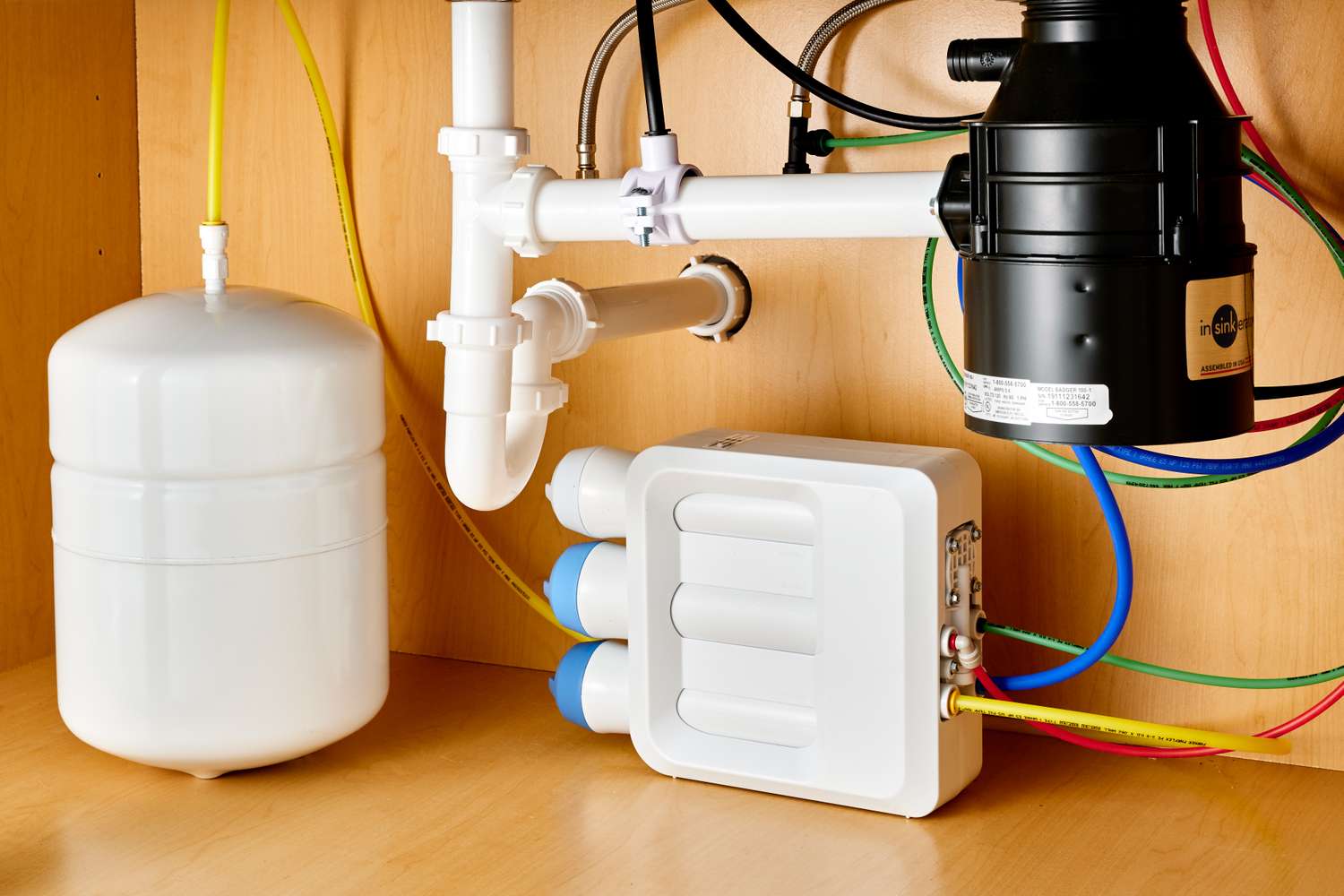
Good drinking water is one of those everyday comforts that’s easy to overlook. We fill a glass from the kitchen tap, make coffee before work, cook dinner, and move on with our day. But when the water tastes unusual, leaves a strange aftertaste, or raises questions about what’s actually in it, that simple routine can become a little less reassuring.
For many homeowners, improving drinking water quality starts with understanding the available filtration options. Some households need a straightforward filter to improve taste, while others may benefit from a more advanced treatment system designed to reduce specific dissolved substances. The challenge is knowing which option makes sense for your water, your budget, and your family’s daily habits.
Also read: Reliable Water Treatment Starts With Good Service and Everyday Care
There’s no universal answer. The right system is the one that addresses a clearly identified need without adding unnecessary expense or maintenance.
Start by Understanding Your Water
Before comparing products, consider where your water comes from. Municipal supplies are generally treated and monitored, but the water reaching your kitchen can still be affected by plumbing, mineral content, and the condition of household pipes. Private wells require a different approach because their quality can vary depending on groundwater conditions, nearby land use, and seasonal changes.
Also read: Making Sense of Your Home’s Water: Softening, Filtering, and Purification
Taste and smell can provide clues, but they cannot reliably establish whether water is safe. Water that looks perfectly clear may still contain substances that require testing, while an unpleasant taste does not automatically mean the water is dangerous.
If you’re concerned about water quality, begin with an appropriate test. Depending on your source and circumstances, this may include checking hardness, pH, metals, nitrate, bacteria, or other relevant parameters. Private well owners should follow local public health recommendations for routine testing, particularly for bacteria and nitrate.
Also read: A Smarter Approach to Home Water: From Testing to the Right Treatment
Testing also makes shopping easier. Instead of choosing a product because it promises cleaner or fresher water, you can look for equipment designed to reduce the specific substances identified in your water supply.
What Residential Drinking Water Systems Can Do
There are several ways to improve water at home, and each has its own strengths. Some systems are installed beneath the kitchen sink, while others connect directly to a faucet or serve multiple areas of the property.
Also read: Air Conditioner Replacement in Columbus: Ensuring Comfort and Efficiency
Residential drinking water systems are designed to provide treated water for everyday activities such as drinking, preparing meals, and making beverages. Depending on the technology, they may reduce chlorine taste, sediment, certain metals, or other targeted contaminants. The important detail is that performance varies by product, so the manufacturer’s specifications deserve a careful look.
Point-of-use systems are often a practical choice when the main concern involves water used for drinking and cooking. Because they treat water at a particular tap, there’s usually no need to modify every plumbing connection in the house. This can make installation simpler and limit the amount of water that passes through the treatment process.
Also read: Choosing the Right Water Heating System for Everyday Comfort and Peace of Mind
Whole-house systems serve a different purpose. They treat water as it enters the property and may be useful for concerns affecting showers, laundry, appliances, and multiple taps. However, a whole-house unit isn’t automatically the best choice for drinking water. Some contaminants require specialized treatment at the point of use, so the intended application matters.
When comparing systems, look for independent certification where available. Standards from organizations such as NSF and ANSI can help verify specific performance claims. Check the exact certification and contaminant reduction claim rather than assuming that certification for one purpose means the product removes everything.
When a Reverse Osmosis System Makes Sense
Some dissolved substances are difficult to reduce with ordinary carbon or sediment filters. In these situations, a reverse osmosis system may be worth considering, particularly when test results indicate that its treatment capabilities match the problem.
Reverse osmosis uses pressure to push water through a semipermeable membrane. The membrane allows water to pass while rejecting many dissolved substances, which are carried away in a separate wastewater stream. Depending on the system and membrane, reverse osmosis can reduce a range of dissolved salts and other targeted contaminants.
These systems commonly include several treatment stages. A sediment filter may capture particles, while a carbon filter helps protect the membrane and improve certain taste and odor concerns. The membrane performs the central separation process, and a final polishing filter may further improve the water’s taste.
There are trade-offs, though. Reverse osmosis systems produce wastewater, require periodic filter and membrane replacement, and may reduce the amount of water available at the tap if the storage tank or production rate is limited. Some systems also include remineralization stages to adjust taste.
It’s sensible to compare the system’s rated output, water efficiency, replacement costs, and certified reduction claims before purchasing. A more advanced system isn’t necessarily better if your water doesn’t require that level of treatment.
Is a Single-Stage Filter Enough?
Sometimes the simplest option is perfectly reasonable. If your water meets applicable safety standards and your main complaint is an unpleasant chlorine taste, a basic filtration unit may provide the improvement you’re looking for.
A single stage filter typically passes water through one main filtration medium, although the precise design varies between products. Activated carbon is commonly used to reduce chlorine taste and odor, and some filters can reduce additional substances when specifically tested and certified for those claims.
The advantage is simplicity. These filters often take up less space, have fewer components, and can be relatively inexpensive to maintain. For renters or homeowners who want a straightforward improvement at one tap, that can be appealing.
The limitation is equally important: one filtration stage does not mean broad contaminant removal. A standard carbon filter may do little to address hardness minerals, nitrate, or dissolved salts, for example. Its effectiveness depends on the filter media, contact time, flow rate, and the substances being targeted.
Check the replacement schedule carefully, too. A filter that has exceeded its rated capacity may not perform as intended. Some models include a replacement indicator, while others require users to track usage manually. Either way, changing the cartridge on schedule is part of getting the expected results.
Think About Everyday Use and Maintenance
A system may look excellent on paper but become inconvenient if it doesn’t fit your routine. A household with several people filling bottles throughout the day may need a higher production rate than a couple who use filtered water mainly for cooking and coffee.
Kitchen space is another consideration. Under-sink equipment needs room for the unit, tubing, storage tanks where applicable, and future cartridge changes. Before buying, measure the available space and check whether the system requires a separate faucet or a nearby power outlet.
Maintenance costs deserve the same attention as the initial purchase price. Replacement cartridges, membranes, servicing, and any additional water or electricity use can add up over time. Ask the supplier which parts need replacing, how frequently this is expected, and whether replacements are readily available.
Keep an eye on performance after installation. A noticeable change in flow, taste, or odor may indicate that a filter needs attention or that something has changed in the water supply. If the change is sudden or raises a safety concern, arrange appropriate testing rather than relying on the filter alone.
Installation and Long-Term Value
Some drinking water filters are designed for straightforward installation, while more complex systems may require plumbing adjustments. If you’re unsure about the connections, drainage requirements, or pressure limitations, a qualified installer can help ensure that the equipment is fitted according to the manufacturer’s instructions.
Ask about warranty conditions before work begins. Certain warranties may depend on correct installation, routine maintenance, or the water conditions in which the system operates. Keep the product manual, installation details, and replacement records in a place where you can find them later.
It’s also worth considering the long-term value of the system. The lowest-priced unit may not be the least expensive option over several years if replacement cartridges are costly or difficult to obtain. On the other hand, an expensive system with features you don’t need may offer little practical benefit.
Make a Choice Based on Your Needs
Cleaner-tasting water can make everyday routines more enjoyable, but choosing a treatment system should involve more than taste alone. Start with your water source, test when appropriate, and identify the particular issue you want to address.
Then compare filtration technologies based on verified performance, operating costs, maintenance requirements, and convenience. Ask questions whenever a claim sounds too broad, especially if a product promises to remove every possible contaminant.
The best drinking water system isn’t necessarily the one with the most stages or the longest feature list. It’s the one suited to your water and your household, backed by credible performance information and maintained properly. With that approach, you can make a thoughtful investment in better water without paying for equipment that doesn’t serve a real purpose.

Related Posts
 Home Services
Reliable Water Treatment Starts With Good Service and Everyday Care
Clean, dependable water makes a difference in nearly every part of daily life. It affects the morning shower,…
 Home Services
Making Sense of Your Home’s Water: Softening, Filtering, and Purification
Water is one of those things we tend to take for granted. It comes out of the tap,…
 Home Services
A Smarter Approach to Home Water: From Testing to the Right Treatment
There’s a particular kind of frustration that comes with a household problem you can’t quite explain. The bathroom…