
A Better Glass of Water Starts at Home: Understanding Reverse Osmosis Filtration
There’s something refreshing about coming home after a long day and pouring yourself a cold glass of water. But when that water has an unpleasant aftertaste or an unfamiliar smell, the experience isn’t quite…

There’s something refreshing about coming home after a long day and pouring yourself a cold glass of water. But when that water has an unpleasant aftertaste or an unfamiliar smell, the experience isn’t quite as satisfying. Many households turn to bottled water as a quick fix, although constantly purchasing and storing bottles can become expensive and inconvenient.
For homeowners seeking a more permanent alternative, reverse osmosis water filter systems offer a practical approach to improving drinking water quality by reducing various unwanted substances.
Also read: Improve Your Drinking Water With Professional Reverse Osmosis Installation in Northeast Florida
Understanding how these systems work, what they can accomplish, and how they fit into your kitchen can help you make a more informed decision about your household’s drinking water.
What Happens Inside a Reverse Osmosis System?
Reverse osmosis, often abbreviated as RO, might sound like a complicated scientific process. Fortunately, the basic idea is fairly straightforward.
Also read: Refresh Your Everyday Lifestyle With Kinetico Home Water Treatment and Reverse Osmosis Solutions
The system uses water pressure to move water through a semipermeable membrane. This membrane allows water to pass through while reducing many dissolved substances that conventional mechanical filters cannot capture.
Most residential systems also incorporate additional filtration stages. Sediment filters help capture suspended particles, while activated carbon can reduce chlorine and certain compounds associated with unpleasant tastes and odors.
Also read: Choosing the Right Drinking Water Filtration System for Your Home
These stages may also help protect the membrane from conditions that could affect its performance.
The result is treated drinking water delivered through a dedicated faucet or another compatible dispensing arrangement. It’s a relatively discreet improvement that can become a valuable part of your kitchen.
Also read: Reliable Water Treatment Starts With Good Service and Everyday Care
Treating Drinking Water Where You Actually Use It
Not every gallon of water entering your home necessarily requires the same level of treatment. The water used for flushing toilets or washing clothes serves a different purpose from the water you drink.
That’s where point-of-use drinking water treatment makes particular sense. Instead of treating the entire household supply through reverse osmosis, equipment focuses on water delivered at a specific location, typically the kitchen sink.
Also read: Making Sense of Your Home’s Water: Softening, Filtering, and Purification
This arrangement provides convenient access to filtered water for drinking, cooking, and preparing beverages.
It can also be a practical option for homeowners who already have separate equipment addressing hardness or sediment throughout their property.
Targeting treatment where it’s needed helps avoid unnecessary complexity while supporting everyday drinking water requirements.
Finding a Filtration System That Fits Your Kitchen
Every kitchen has its own layout, storage limitations, and daily demands. Some households have spacious cabinets, while others barely have enough room beneath the sink for cleaning supplies.
When comparing reverse osmosis filtration options, consider available installation space, household drinking water consumption, production capacity, and maintenance requirements.
Traditional systems commonly include a storage tank that holds treated water until needed. Tankless designs produce water on demand and may offer a more compact installation.
Both arrangements have their advantages, depending on household preferences and operating conditions.
Before making a purchase, check incoming water pressure requirements, drain connections, and whether the equipment requires electricity.
A filtration system should complement your kitchen rather than make an already crowded space more difficult to manage.
Can Better Water Improve the Taste of Food and Beverages?
Water is an ingredient in far more things than we sometimes realize. It’s the foundation of coffee, tea, homemade soups, sauces, and countless other recipes.
When water carries a noticeable chlorine flavor or an unpleasant mineral aftertaste, those characteristics can influence the finished product.
Appropriate filtration may help create a more neutral taste, allowing other ingredients to stand out.
Coffee enthusiasts, for instance, often pay close attention to water composition because it affects flavor extraction. However, extremely low-mineral water isn’t necessarily everyone’s preferred choice for brewing.
Some filtration systems offer remineralization stages to accommodate different taste preferences.
Ultimately, the objective is finding drinking water that you enjoy and that addresses your identified water quality concerns.
Understanding What Reverse Osmosis Can and Cannot Remove
One common misconception is that installing reverse osmosis equipment automatically eliminates every possible water contaminant.
Although the technology can reduce many dissolved substances, actual performance depends on system design, membrane condition, incoming water quality, and independently verified treatment capabilities.
Appropriately certified equipment may reduce specific contaminants such as lead, nitrate, fluoride, and dissolved salts.
Before selecting a system, review reliable water quality information. Municipal water customers can consult their supplier’s water quality reports, while private well owners should arrange appropriate laboratory testing.
Choose equipment specifically verified to address the substances you’re concerned about.
Clear water and pleasant taste are welcome improvements, but neither alone confirms that drinking water meets health-related quality requirements.
Keeping Your Drinking Water System Working Properly
Even dependable filtration equipment needs regular maintenance.
Prefilters gradually accumulate unwanted substances, carbon media reach their treatment capacity, and reverse osmosis membranes eventually require replacement.
Ignoring these responsibilities can reduce treatment performance or affect water production rates.
When consulting a provider such as Hawkins Water, ask about replacement filter costs, recommended servicing intervals, water efficiency, and equipment warranties.
Remember that reverse osmosis produces a concentrate stream carrying rejected substances to the drain. Comparing documented water efficiency between models can help you understand long-term operating requirements.
A manageable maintenance schedule is an important part of making your investment worthwhile.
Making Better Drinking Water an Everyday Convenience
Improving drinking water quality doesn’t have to involve a complicated renovation or a dramatic lifestyle change.
With appropriate testing, carefully selected equipment, and consistent maintenance, reverse osmosis can provide a convenient alternative to repeatedly purchasing bottled water.
The benefits often become apparent during familiar moments — preparing breakfast, filling a reusable bottle, or enjoying a refreshing drink after working outside.
Water is such a fundamental part of everyday life that improving its quality can have a surprisingly meaningful impact.
Sometimes, a worthwhile kitchen upgrade isn’t something that immediately catches your eye. It’s something you appreciate every time you reach for a glass.

Related Posts
 Home Services
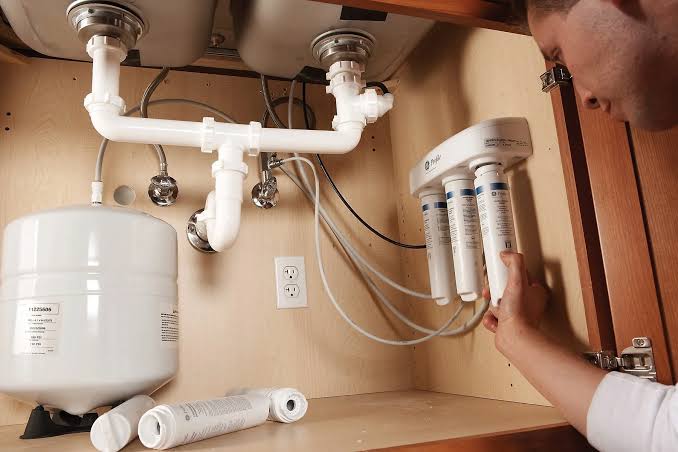
Improve Your Drinking Water With Professional Reverse Osmosis Installation in Northeast Florida
The water you use to prepare your morning coffee is the same water you might use to cook…
 Home Services
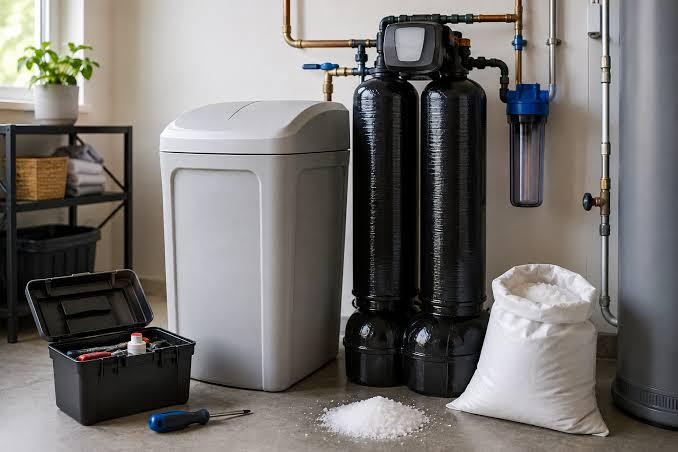
Refresh Your Everyday Lifestyle With Kinetico Home Water Treatment and Reverse Osmosis Solutions
There’s something wonderfully simple about turning on your kitchen faucet and filling a glass with refreshing water. No…
 Home Services
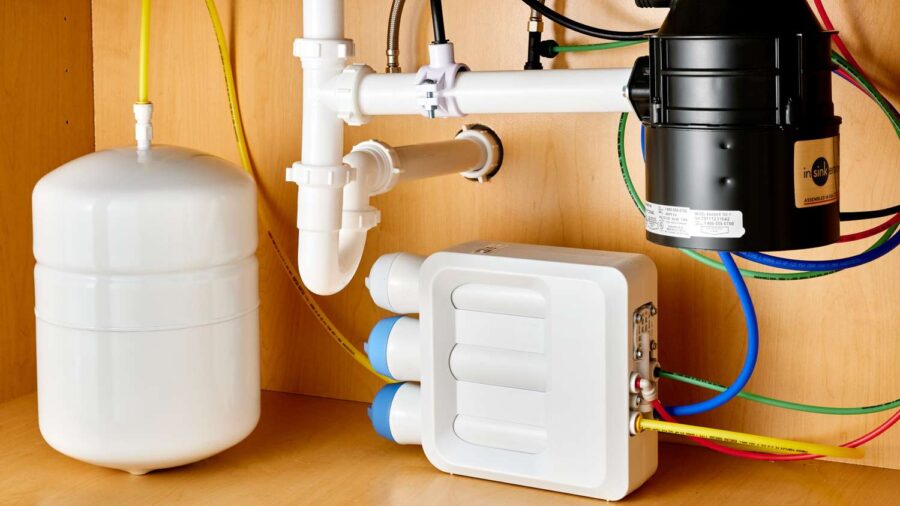
Choosing the Right Drinking Water Filtration System for Your Home
Good drinking water is one of those everyday comforts that’s easy to overlook. We fill a glass from…