
When Your Tap Water Tells a Story: A Real-World Look at Fixing Common Water Problems
Water has a funny way of revealing its secrets. Sometimes it’s a faint metallic taste in your morning coffee. Other times it’s that stubborn tea-colored stain in the sink that seems to appear overnight.…
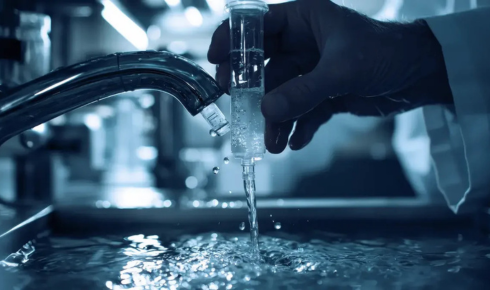
Water has a funny way of revealing its secrets. Sometimes it’s a faint metallic taste in your morning coffee. Other times it’s that stubborn tea-colored stain in the sink that seems to appear overnight. If you’ve ever lived in a place with tricky well water or unpredictable municipal supply, you know what I mean — water quality becomes part of everyday conversation.
It’s easy to assume water is simply “good” or “bad,” but the truth sits somewhere in between. Most water problems come from naturally occurring minerals, organic matter, or simple system buildup. And the interesting thing? These issues are surprisingly common in homes across the country.
Also read: Air Conditioner Replacement in Columbus: Ensuring Comfort and Efficiency
Let’s take a closer look at three water challenges many homeowners face — and the practical solutions people use to keep their water clean, balanced, and reliable.
The Hidden Trouble With Acidic Water
You probably wouldn’t know if your water was acidic just by looking at it. It runs clear, smells fine, and seems perfectly normal. But over time, acidic water quietly causes damage.
Also read: Choosing the Right Water Heating System for Everyday Comfort and Peace of Mind
Pipes begin to corrode. Copper plumbing can develop pinhole leaks. Fixtures lose their shine. Even appliances like dishwashers and water heaters wear down faster.
The culprit is low pH water, which tends to dissolve metals from plumbing systems. If you’ve ever noticed bluish stains in a sink or metallic-tasting tap water, acidity might be to blame.
Also read: What Really Makes a New Home Feel Luxurious?
This is where a system like an alkaline water neutralizer comes into play. These filtration units work by raising the pH level of water as it flows through mineral media — usually calcite or a calcite-magnesium blend. As the water passes through, the minerals slowly dissolve, bringing the water closer to a balanced pH.
It’s a simple concept, but the results are noticeable. Plumbing systems last longer. Water tastes smoother. And those mysterious stains that once appeared around faucets? They often disappear.
Also read: Why Proper Water Treatment Starts With Understanding Your Water
Of course, homeowners usually don’t realize they have acidic water until they test it. A basic water analysis — something many local water professionals offer — can reveal the pH level in minutes.
When Water Looks Like Tea
Some water issues are subtle. Others… well, they’re impossible to ignore.
Also read: Why Quality Air Conditioning Repair Starts With the Right People
Imagine turning on your faucet and seeing a light yellow or brown tint in the sink. It’s not rust exactly, but it definitely doesn’t look inviting. Laundry can take on a slight discoloration, and white fixtures slowly shift toward beige.
This is often caused by tannins.
Tannins are organic compounds created when vegetation breaks down in soil, particularly in areas with wetlands, peat, or heavy plant matter. When groundwater flows through these environments, tannins dissolve into the water supply.
While they’re generally not harmful, they can affect color, taste, and odor. Tea-colored water tends to make people uneasy — understandably so.
To address this issue, homeowners typically install a tannin remover system designed specifically for organic contaminants. These systems use specialized ion-exchange media that capture tannins as water passes through.
The result? Clear water again. It’s a surprisingly satisfying change — one day your sink looks like weak iced tea, and the next day it’s crystal clear.
And there’s a psychological benefit too. Clean-looking water just feels better to use, whether you’re filling a glass, washing vegetables, or running a load of laundry.
Hard Water: The Everyday Nuisance
If acidic water quietly damages plumbing and tannins affect appearance, hard water is the problem you definitely notice.
Soap refuses to lather. Glassware comes out of the dishwasher with cloudy spots. Showerheads clog with chalky mineral buildup. And let’s not even talk about the scale forming inside water heaters.
Hard water happens when groundwater absorbs calcium and magnesium as it travels through limestone or mineral-rich soil. The minerals aren’t dangerous, but they do create a long list of household annoyances.
Most homeowners solve this with a traditional softening system. These systems swap hardness minerals for sodium through an ion exchange process, dramatically reducing scale buildup.
But here’s something many people overlook: maintenance.
Over time, resin beds inside softeners accumulate iron, sediment, and organic residue. When that happens, the system loses efficiency and water hardness slowly creeps back.
That’s why periodic cleaning matters. Using a water softener cleaner helps remove those hidden contaminants and restore the resin’s ability to function properly. Think of it like giving the system a reset — something many homeowners only realize they need after noticing their water starting to feel “hard” again.
A quick maintenance routine every few months can keep a softener running smoothly for years.
Why Water Treatment Isn’t One-Size-Fits-All
One of the biggest misconceptions about water treatment is that there’s a single universal solution.
In reality, water chemistry varies dramatically depending on geography, soil composition, and even seasonal changes. A home in Florida might struggle with tannins from organic soil, while a house in the Midwest might battle heavy mineral hardness.
That’s why professionals almost always recommend testing first, installing equipment second.
Water tests reveal things that aren’t visible: pH levels, dissolved solids, organic compounds, and mineral concentration. Once those numbers are known, it becomes much easier to choose the right equipment — and avoid wasting money on systems that solve the wrong problem.
In other words, smart water treatment begins with understanding what’s actually in the water.
The Quiet Comfort of Reliable Water
Clean, balanced water rarely gets the appreciation it deserves. When everything works properly, you barely think about it.
Coffee tastes better. Appliances last longer. Laundry looks brighter. Showers feel softer on skin and hair.
It’s easy to take these things for granted until something changes — a metallic taste appears, stains show up in the sink, or water suddenly looks darker than usual.
The good news is that most water problems have practical, proven solutions. Whether it’s correcting acidity, clearing up discoloration, or maintaining a softening system, small improvements in water treatment can make a big difference in daily life.
At the end of the day, water isn’t just something that flows from a tap. It’s part of how a home functions — quietly supporting everything from cooking to cleaning to comfort.
And once it’s properly balanced, you’ll probably forget it was ever a problem at all. Funny how that works.

Related Posts
 Home Services
Air Conditioner Replacement in Columbus: Ensuring Comfort and Efficiency
As Columbus, Ohio, experiences a mix of hot summers and mild seasons, having a reliable air conditioning system…
 Home Services
Choosing the Right Water Heating System for Everyday Comfort and Peace of Mind
Hot water is part of nearly every household routine. It’s there when you take a shower before work,…
 Home Services
What Really Makes a New Home Feel Luxurious?
Luxury in a home isn’t always about marble floors, oversized chandeliers or a kitchen that looks like it…