
How India’s Vehicle Scrappage Policy Is Creating New Opportunities for Metal Recycling
India’s automotive sector is one of the largest in the world, supporting millions of vehicles across passenger transport, logistics, construction, and industrial operations. As the country’s vehicle population continues to grow, managing ageing and…
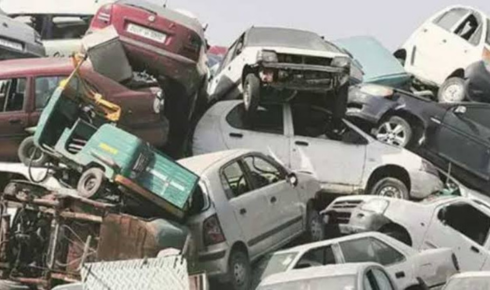
India’s automotive sector is one of the largest in the world, supporting millions of vehicles across passenger transport, logistics, construction, and industrial operations. As the country’s vehicle population continues to grow, managing ageing and inefficient vehicles has become an increasingly important challenge.
To address this issue, the government introduced the vehicle scrappage policy, an initiative designed to encourage the phased removal of older vehicles while improving road safety, reducing emissions, and promoting cleaner mobility.
Also read: How Lifestyle Brands Use Public Relations to Build Relevance and Trust
While much of the discussion around the policy focuses on environmental benefits, another significant opportunity is emerging behind the scenes. Every end-of-life vehicle contains valuable metals that can be recovered, processed, and reintroduced into industrial supply chains.
As India’s manufacturing and infrastructure sectors expand, the policy is creating new momentum for metal recycling, resource recovery, and circular economy development.
Also read: How to Build a Thoughtful Guest Posting Strategy for Long-Term Visibility
Understanding the Vehicle Scrappage Opportunity
Vehicles contain a wide range of materials that retain value even after the vehicle reaches the end of its operational life.
Also read: Receiving Warehouse & Storage: A Complete Guide to Efficient Inventory Management
A typical end-of-life vehicle contains:
Traditionally, a large portion of these materials remained underutilised because of fragmented dismantling practices and informal processing systems.
Also read: Cable Harness Assembly in India: Why OEMs Are Moving from In-House Wiring to Specialist Partners
The vehicle scrappage policy is helping formalise this ecosystem by encouraging authorised dismantling and recycling processes that maximise material recovery while improving environmental compliance.
Why End-of-Life Vehicles Are Valuable Resource Banks
Also read: Understanding Flexible Business Funding in a Fast-Moving Market
Many industries continue to face growing demand for metals used in manufacturing, infrastructure development, renewable energy projects, and mobility solutions.
Rather than relying exclusively on virgin resource extraction, recovered materials from end-of-life vehicles can provide an additional source of industrial raw materials.
This process supports:
- Improved resource efficiency
- Reduced waste generation
- Lower environmental impact
- Better utilisation of existing materials
- Stronger domestic supply chains
As more vehicles enter the scrappage ecosystem, the availability of recyclable metals is expected to increase significantly.
The Growing Importance of Metal Recovery
One of the most important outcomes of the vehicle scrappage policy is the opportunity to strengthen India’s metal recycling infrastructure.
Vehicles contain substantial volumes of recoverable metals that can be processed and refined for reuse across industries.
For example:
- Copper recovered from wiring harnesses and electrical systems can support electrification and infrastructure projects.
- Aluminium recovered from automotive components can be reintroduced into manufacturing processes.
- Lead from automotive batteries can be refined and reused in battery production.
- Steel and other metals can support construction and industrial applications.
Efficient metal recovery helps ensure that valuable materials remain within the economy rather than being discarded as waste.
Supporting India’s Circular Economy Goals
The principles behind the vehicle scrappage policy align closely with the broader vision of a circular economy.
Instead of following a traditional linear model of manufacture, use, and disposal, circular systems focus on recovering value from products at the end of their lifecycle.
In the automotive sector, this means:
- Collecting end-of-life vehicles
- Recovering valuable materials
- Processing and refining recovered metals
- Reintroducing those materials into manufacturing
This approach helps reduce pressure on natural resources while supporting long-term industrial sustainability.
Building a Stronger Recycling Ecosystem
The success of the scrappage policy depends not only on vehicle collection but also on the strength of the downstream recycling infrastructure.
Advanced processing facilities, quality control systems, and responsible material recovery practices are essential for maximising value from end-of-life vehicles.
Companies such as Jain Resource Recycling are contributing to this ecosystem through responsible metal recycling, resource recovery, and refining capabilities that help transform industrial and automotive scrap into valuable raw materials for future manufacturing.
As the volume of recoverable material increases, organised recycling infrastructure will play a critical role in supporting India’s sustainability and manufacturing ambitions.
Resource Security Through Recycling
Global demand for metals continues to rise as industries invest in electrification, renewable energy, infrastructure, and advanced manufacturing.
Recovering metals from end-of-life vehicles provides an opportunity to supplement traditional supply chains and improve resource security.
By creating a reliable secondary source of materials such as copper, aluminium, and lead, the recycling sector can help reduce dependence on primary extraction while supporting domestic manufacturing growth.
This is particularly important as India works to strengthen its industrial competitiveness and build more resilient supply chains.
The Road Ahead
The vehicle scrappage policy represents more than an environmental initiative. It is also a significant opportunity to accelerate the development of India’s recycling and resource recovery ecosystem.
Industry leaders such as Jain Resource Recycling are helping advance this transition by supporting responsible material recovery, refining, and circular manufacturing practices.
As more vehicles reach the end of their lifecycle, the ability to recover and reuse valuable materials will become increasingly important.
The future of mobility is not only about producing cleaner vehicles. It is also about ensuring that the materials inside today’s vehicles continue creating value long after they leave the road.
By connecting vehicle scrappage, metal recycling, and circular economy principles, India has an opportunity to transform end-of-life vehicles into a powerful source of industrial growth and sustainable resource management.

Related Posts
 Business
How Lifestyle Brands Use Public Relations to Build Relevance and Trust
Lifestyle brands operate in a space where people often buy into more than a product. They connect with…
How to Build a Thoughtful Guest Posting Strategy for Long-Term Visibility
Guest posting remains one of the most practical ways for a growing website to reach new readers, demonstrate…
 Business
Receiving Warehouse & Storage: A Complete Guide to Efficient Inventory Management
Introduction A well-organized Receiving Warehouse & Storage process is essential for businesses that manage inventory, distribute products, or…