

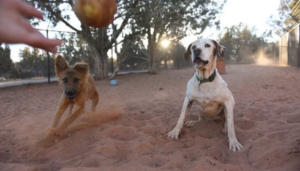
Building confidence in your dog isn’t just about reducing fearful behavior it’s about helping your companion live a happier, more engaged life. At Rob’s Dog Training, we’ve helped countless pet owners guide their dogs toward self-assurance through proven dog confidence building training methods that are effective, science-backed, and humane.
In this guest post, you’ll discover actionable insights, expert perspectives, and training techniques you can start today whether your dog is shy, nervous in new environments, or struggling with social interactions. Let’s explore how to nurture confidence in dogs in real, practical ways that fit into your daily life.
Why Dog Confidence Matters
A confident dog is a happy dog. Confidence affects how your dog:
- Responds to new environments
- Interacts with people and other animals
- Handles stress and change
- Learns new skills
Dogs lacking confidence may display avoidance, excessive barking, clinginess, or fear-based aggression. These behaviors aren’t signs of a “bad dog” they’re indicators that your dog needs guidance, reassurance, and proper training foundations.
Dog confidence building training helps dogs feel secure in unfamiliar situations, focus on training instead of fear, build a stronger bond with their owner, and navigate social settings with ease. Strong confidence doesn’t happen overnight just like in humans, it develops through positive experiences, safe challenges, and trust.
The Science Behind Confidence in Dogs
Before diving into techniques, it helps to understand how confidence develops biologically and psychologically. Research shows that dogs learn best through positive reinforcement rewarding desirable behavior encourages repetition and strengthens neural pathways associated with success and safety. Fear triggers the amygdala (the brain’s fear center), which can shut down learning and lead to avoidance.
Key principles of dog confidence building training:
- Reward, don’t punish: Confidence grows with encouragement
- Gradual exposure: Small, manageable challenges build resilience
- Consistency: Predictable routines support understanding
- Ownership of choices: Allowing dogs to make safe decisions empowers them
With this foundation, you can move into practical strategies that help your dog feel more confident each day.
1. Assess Your Dog’s Confidence Baseline
Not all dogs start at the same place. Before training, evaluate how your dog reacts to new people, unfamiliar sounds, and new environments. Notice if your dog avoids or freezes in certain situations and how they respond to minor routine changes. This assessment will guide how you structure your dog’s confidence-building plan.
For example:
- Does your dog approach strangers willingly, or do they hang back?
- Do they explore new places with curiosity or hesitation?
- Are they comfortable being handled for grooming or vet visits?
- How do they react to sudden noises startle, freeze, or recover quickly?
- Are they eager to learn new skills, or do they appear overwhelmed?
This baseline will help determine whether your dog needs slower exposure and more reinforcement or is ready for more challenging confidence-building exercises.
2. Establish Safe, Predictable Training Sessions
Consistency is key to building confidence. Dogs thrive when they understand what to expect. Structured training creates a sense of security and reinforces learning.
Training Tips for Structure:
- Train at the same time each day to create routine
- Use short, frequent sessions (5–10 minutes) to avoid fatigue
- End each session on a positive note to reinforce success
- Use high-value rewards, like treats, praise, or toys
Quick Confidence Boost Trick: Start training in a familiar, low-distraction environment. Early wins in a safe setting build trust and set your dog up for success in more challenging situations.
3. Desensitization: Gradual Exposure to Fears
If your dog is nervous around certain stimuli, gradual exposure or desensitization can help them face fears without overwhelm. The goal is to pair previously stressful situations with positive experiences.
Step-by-Step Desensitization:
- Identify the trigger (e.g., loud sounds, crowds, or strangers)
- Introduce the trigger at a low intensity
- Reward calm and relaxed responses
- Gradually increase exposure over time
- Reinforce each positive reaction
For example, if your dog is afraid of strangers:
- Start at a distance where your dog notices people but remains relaxed
- Reward calm behavior with treats or praise
- Slowly decrease distance over sessions
- Celebrate progress, even small steps count
This method respects your dog’s comfort zone while gradually expanding it, helping confidence grow safely.
4. Confidence-Building Activities You Can Do Daily
Confidence grows not only in formal training sessions but also through everyday experiences. Incorporating structured activities into your dog’s day reinforces self-assurance.
- Obstacle Navigation
Set up simple obstacles like low jumps, tunnels, or balance cushions. Allow your dog to explore at their own pace. Successfully navigating obstacles builds physical coordination, problem-solving skills, and confidence. - Scent Work Games
Dogs thrive when using their sense of smell. Hide treats or toys around the home or yard and encourage your dog to “find it.” Scent work engages the brain, reinforces focus, and promotes independence. - Choice Matters Exercises
Letting your dog make safe choices encourages autonomy and confidence. Examples include letting your dog choose which path to take on a walk, offering two treat options, or allowing them to approach new objects at their pace.
5. Socialization With Purpose
Structured socialization helps shy or fearful dogs transform apprehension into confidence. Begin with calm, friendly dogs and short interactions, always rewarding relaxed behavior. Avoid forcing interactions, and increase variety slowly. The quality of social experiences matters far more than quantity.
6. Confidence Through Obedience and Skill Mastery
Training basic commands doesn’t just teach good behavior it builds trust and self-esteem. Commands like sit, wait, come, touch, or targeting exercises give dogs measurable success, reinforcing their ability to learn and adapt. Celebrate every achievement, and your dog will associate learning with positive experiences.
7. Confidence Training for Puppies vs. Adult Dogs
Puppies build confidence through gentle handling, supervised exploration, and exposure to diverse stimuli. Short, positive experiences are best since puppies tire easily.
Adult dogs can also gain confidence, even if fear patterns are ingrained. With patient, consistent training and gradual challenges, adult dogs can overcome anxiety and develop self-assured behaviors. No dog is too old to benefit from structured confidence-building.
8. Common Mistakes to Avoid
Even well-intentioned training can hinder confidence if certain mistakes are made:
- Punishing fearful behavior, which reinforces fear
- Rushing exposure to new stimuli, causing overwhelm
- Inconsistent rules, creating confusion
- Ignoring body language, leading to setbacks
Commit to patience, careful observation, and consistency to ensure progress.
9. Measuring Confidence Progress
Look for tangible signs that your dog is growing more confident:
- Relaxed body posture
- Curious approach to new environments
- Reduced avoidance or fear-based behaviors
- Faster recovery after startle responses
- Increased focus and responsiveness during training
Tracking progress in a journal or using simple notes helps you recognize and celebrate even small improvements.
10. When to Seek Professional Support
Sometimes, professional guidance is necessary, especially if:
- Fear or anxiety is severe
- Aggression appears
- Progress stalls for weeks
- Panic or shutdown behavior occurs
At Rob’s Dog Training, we specialize in customized dog confidence building training plans tailored to your dog’s temperament and lifestyle. Expert guidance can accelerate progress safely and effectively.
Bonus: Tools to Support Confidence Training
Using the right tools can enhance training success:
- Treat pouches for easy, frequent rewards
- Clickers for precise timing of reinforcement
- Balance cushions for physical confidence exercises
- Scent-work kits for mental engagement
These tools support your dog’s learning without replacing meaningful, hands-on interaction.
Confidence Is a Journey, Not a Destination
Confidence in dogs isn’t about perfection it’s about resilience. Structured exposure, positive reinforcement, and consistent support help your dog navigate fear and develop self-assured behavior. With dedication, patience, and the right guidance, every dog can grow more confident.
At Rob’s Dog Training, our dog confidence building training programs are designed to help your dog thrive, creating a foundation of trust, security, and happiness that lasts a lifetime.