


Water is one of those everyday things we rarely stop to think about. We turn on a tap, fill a glass, and carry on with the day. Yet the quality of that water can influence its taste, appearance, and overall suitability for drinking. Terms such as pH, minerals, hardness, and purity often appear on water labels and filtration guides, but they can sound more complicated than they really are.
Good water doesn’t necessarily mean water with the most minerals or the highest level of purity. It’s more about balance. Understanding a few basic ideas can make it easier to choose water for your home and understand what you’re actually drinking.
What Does the pH Scale Tell Us?
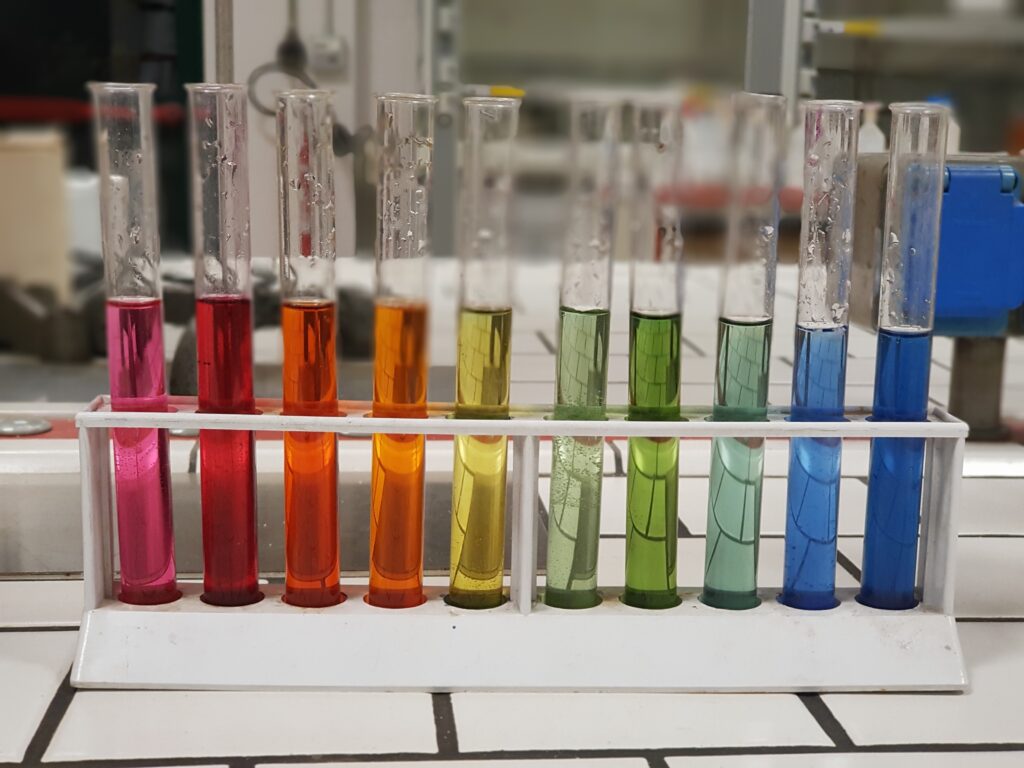
The pH scale is a simple way of describing whether a substance is acidic, neutral, or alkaline. It generally ranges from 0 to 14, with 7 considered neutral. Values below 7 are acidic, while values above 7 are alkaline.
Natural drinking water can have a pH that varies depending on its source and the minerals or gases it encounters underground or in surface environments. Rainwater, groundwater, and treated municipal water may therefore have slightly different pH levels.
For most people, however, pH isn’t something to obsess over. Water that falls within commonly accepted drinking-water ranges is generally suitable when it meets applicable safety standards. A higher pH doesn’t automatically make water healthier, just as a lower pH doesn’t necessarily mean the water is unsafe.
Why Minerals Matter in Drinking Water
Minerals are naturally present in many water sources. Calcium and magnesium are two familiar examples, and they contribute to what is commonly called water hardness. Other minerals may also occur in smaller quantities.
These substances aren’t simply unwanted leftovers. In moderate amounts, naturally occurring minerals can contribute to water’s taste and character. Anyone who’s traveled to a different city has probably noticed that the water tastes a little different. Sometimes that difference comes from the local mineral composition.
Still, more isn’t always better. Excessive mineral content can affect taste, leave deposits around taps, or create problems for household appliances. That’s why water treatment is usually about finding a sensible balance rather than stripping every dissolved substance away.
Taste Is More Important Than People Think
When people describe water as crisp, smooth, and mineral-rich, they’re often talking about several qualities at once. Temperature, mineral content, dissolved gases, and treatment methods can all influence the drinking experience.
Taste is subjective, of course. One person may prefer very soft water with almost no noticeable mineral character, while another might enjoy water with a distinct mineral taste. There’s no universal winner here.
Filtration can also change the flavor. Activated carbon filters, for example, are commonly used to reduce chlorine taste and certain organic compounds. Other treatment systems may address dissolved minerals or specific contaminants. The right approach depends on what’s actually present in the source water.
Hard Water and Soft Water Explained
Hard water contains higher concentrations of minerals, particularly calcium and magnesium. It isn’t automatically dangerous, but it can be frustrating around the house. White deposits on showerheads, cloudy glassware, and scale inside kettles are familiar signs.
Soft water contains fewer of these minerals. It can feel different when washing and may produce less scale, although treatment methods that soften water can introduce other changes to its mineral composition.
If you’re considering a water softener, it’s worth testing your water first. Guessing can lead to unnecessary expense. A basic water-quality test can reveal hardness and provide a clearer picture of what treatment, if any, makes sense.
Filtration Doesn’t Mean One Thing
The word “filtered” sounds reassuring, but different filters do different jobs. A simple carbon filter isn’t designed to remove every possible contaminant. Reverse osmosis systems work differently and can reduce many dissolved substances, while ultraviolet treatment is primarily used to address microorganisms.
That distinction matters. A household should choose treatment based on the actual water problem rather than marketing claims. If the water supply is already treated and regularly tested, an elaborate filtration system may not be necessary.
On the other hand, private wells or uncertain water sources can require more careful testing and treatment. In those situations, professional water analysis is a much better starting point than buying a filter simply because it looks impressive.
How Water Quality Affects Everyday Life
The quality of drinking water can be noticed in surprisingly ordinary moments. It may affect the taste of morning tea, the appearance of ice cubes, the buildup inside a coffee machine, or simply how refreshing a glass feels after a long walk.
But taste and convenience shouldn’t replace safety. Microbial contamination, heavy metals, pesticides, and other unwanted substances can matter far more than whether water tastes slightly sweet or metallic. Reliable testing and appropriate treatment are therefore more important than chasing trendy descriptions.
It’s also useful to remember that bottled water isn’t automatically superior to tap water. Quality depends on the source, treatment, storage, and local regulations. In many places, properly treated municipal water is perfectly reasonable for everyday use.
Making a Smarter Choice
Rather than looking for a magical number on a label, consider the whole picture. Where does the water come from? Has it been tested? What minerals are present? Are there known contaminants? Does the water have an unusual smell, color, or taste?
For households with specific concerns, a laboratory water test can provide useful answers. From there, choosing filtration becomes much less of a guessing game.
Ultimately, good water is about confidence as much as taste. It should be safe, pleasant to drink, and appropriate for the people using it. Once you understand pH, minerals, hardness, and filtration, water quality becomes far less mysterious. And perhaps that’s the best takeaway: you don’t need to become a water scientist. You just need enough information to make a sensible choice for your home and your everyday life.