


It’s funny how the body sends signals. Not loud ones, not dramatic—but subtle nudges that something isn’t quite right. A slight bulge when you stand up. A dull ache after lifting something heavy. Maybe a strange pressure that comes and goes.
At first, it’s easy to brush off. You tell yourself it’s nothing. Just a strain, maybe. It’ll pass.
But then it doesn’t.
And somewhere between ignoring it and Googling it at midnight, you land on a word that suddenly makes things feel a bit more real: hernia.
Understanding What Your Body Is Trying to Tell You
Before anything else, it helps to have a simple hernia symptoms explanation—not the complicated medical version, just the basics.
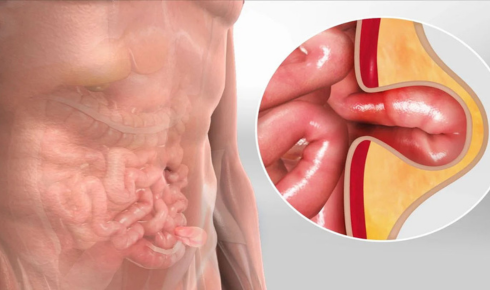
A hernia happens when an internal part of your body pushes through a weak spot in muscle or tissue. That’s what creates the bulge. But the symptoms can vary more than people expect.
For some, it’s just a visible lump that appears when standing and disappears when lying down. For others, there’s discomfort, a dragging sensation, or even sharp pain during certain movements.
What’s tricky is that these symptoms can be mild at first. Easy to ignore. But over time, they tend to become more noticeable.
And that’s usually when people start paying attention.
Why Ignoring It Doesn’t Always Work
There’s a common hope that things like this will just resolve on their own. That with enough rest, or a bit of care, the body will fix itself.
But hernias don’t really work that way.
They might stay stable for a while, especially if they’re small. But they don’t disappear without treatment. And in some cases, they can gradually worsen, leading to more discomfort or complications.
That’s when the conversation shifts from “let’s wait and see” to something more proactive.
When Surgery Enters the Picture
Hearing the word “surgery” can feel like a turning point. It makes everything seem more serious, more immediate.
But here’s something worth knowing—hernia repair is one of the most common procedures performed today. And modern hernia surgical care has come a long way from what people might remember or imagine.
It’s not just about fixing the problem. It’s about doing it in a way that minimizes disruption to the body.
Many procedures now use smaller incisions and more precise techniques, which can make the entire experience feel less overwhelming than expected.
And for a lot of patients, that realization brings a sense of relief.
What the Process Actually Feels Like
One of the biggest surprises for many people is how structured everything feels once they’re in it.
There’s a clear plan. You meet with your doctor, discuss options, understand what’s involved. You’re not rushed into decisions—you’re guided through them.
On the day of the procedure, things move in a calm, organized way. And afterward, there’s support. Instructions. Follow-ups.
It’s not chaotic—it’s coordinated.
And that makes a difference.
Recovery Isn’t What It Used to Be
If you’ve heard stories from years ago, you might expect recovery to be long and difficult.
But today, postoperative recovery is approached differently.
It’s more active, more guided. Patients are encouraged to move—carefully, of course—but sooner than they might expect. There’s advice on what to eat, how to rest, when to return to normal activities.
It’s not about rushing the process. It’s about supporting it in a way that feels manageable.
And that support can ease a lot of the anxiety people feel going into surgery.
The Emotional Side of It All
This is something that doesn’t always get talked about openly.
Dealing with a hernia—and the possibility of surgery—can be stressful. There’s uncertainty, maybe even a bit of fear. You might find yourself overthinking small details or worrying about things you didn’t consider before.
That’s completely normal.
What’s encouraging is that healthcare providers are becoming more aware of this. There’s more emphasis on communication, on making sure patients feel informed and supported.
Because it’s not just about fixing a physical issue—it’s about helping someone feel comfortable with the process.
Choosing What Feels Right for You
When it comes to treatment, there’s rarely a one-size-fits-all answer.
Some hernias can be monitored for a time. Others benefit from earlier intervention. The decision depends on factors like size, symptoms, and overall health.
The key is to take your time.
Ask questions. Understand your options. Make sure you feel confident in the plan moving forward.
Because when you feel informed, the decision feels less daunting.
A Subtle Shift in Perspective
What’s interesting is how hernia care has evolved—not just in technique, but in how it’s experienced.
It’s no longer something that feels as intimidating or uncertain as it once did. There’s more clarity, more support, more focus on the patient.
And that shift makes it easier to take action when it’s needed.
Because when something feels manageable, it feels possible.
Final Thoughts
A hernia might start as a small, almost insignificant issue. But it’s not something to ignore indefinitely.
The good news is that modern treatment options are more advanced, more precise, and more patient-friendly than ever before.
If you’re noticing symptoms or considering treatment, don’t put it off. Learn what you can. Talk to a professional. Explore your options.
Because understanding what’s happening—and what can be done about it—doesn’t just help you make better decisions.
It helps you feel a little more in control.
And sometimes, that’s exactly what you need to take the next step.