


A comfortable home has a quiet kind of magic to it. You don’t always notice it when everything is working well. The air feels fresh, the rooms stay steady, and nobody is walking around complaining that one bedroom feels like an oven while the living room feels like a fridge.
But when cooling problems start, they interrupt everything. Sleep becomes restless. Afternoon heat lingers indoors. The system runs and runs, yet the house still feels heavy. That is usually the moment homeowners realise how much they depend on reliable cooling every single day.
Why Cooling Problems Start Small
Most air conditioning issues do not appear overnight. They build slowly. Maybe the air from the vents feels weaker than before. Maybe the unit starts making a new sound. Maybe the energy bill climbs even though your habits haven’t changed much.
These little signs are easy to ignore. After all, if the system still turns on, it feels like the problem can wait. But waiting often allows worn parts, dirty coils, airflow restrictions, or refrigerant issues to get worse.
Understanding the System Behind the Comfort
Modern cooling systems are designed to do more than blow cold air into a house. They help control temperature, airflow, humidity, and overall efficiency. When one part is struggling, the whole system can feel off.
A dirty filter can reduce airflow. A failing capacitor can make the system work harder to start. Leaky ductwork can waste cooled air before it reaches the rooms. Even thermostat placement can affect how evenly a home cools. The system works as a team, and one weak link can change everything.
Comfort Is More Than a Number
Many people think comfort is just about setting the thermostat lower. But true indoor comfort depends on several things working together. Temperature matters, of course, but so does humidity, airflow, insulation, and how evenly cooled air moves through the home.
That’s why two houses set to the same temperature can feel completely different. One may feel crisp and balanced, while the other feels damp, stuffy, or uneven. A proper HVAC inspection can help identify what is causing that difference.
Why Skilled Service Makes a Difference
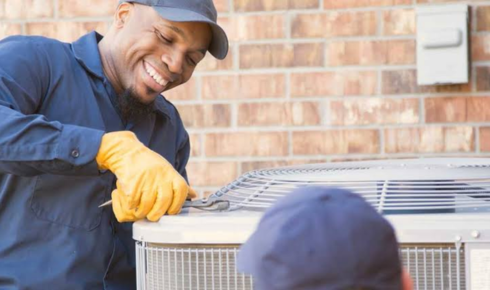
Good HVAC work requires more than replacing a part and leaving quickly. Expert technicians look at the full picture. They inspect equipment, listen to the homeowner’s concerns, check performance, and explain what they find in plain language.
This matters because cooling problems can have similar symptoms but different causes. Weak airflow might be a dirty filter, a blower issue, duct restriction, or low refrigerant. Guessing can waste money. A careful diagnosis helps homeowners choose the right repair.
Maintenance Prevents Bigger Trouble
Routine maintenance may not sound exciting, but it is one of the best ways to protect an AC system. Cleaning coils, replacing filters, checking electrical connections, clearing drain lines, and measuring system performance can help catch small problems early.
It is a little like taking care of a car. You do not wait until the engine quits before checking oil, tyres, or brakes. Cooling equipment also needs attention if you expect it to work hard through hot weather.
Energy Bills Can Reveal Hidden Issues
A rising energy bill is often one of the first signs that something is wrong. If the system has to run longer to reach the same temperature, it uses more electricity. Dirty components, aging parts, duct leaks, and poor airflow can all increase energy use.
Sometimes the increase happens gradually, so homeowners get used to it. But if comfort is getting worse while bills are getting higher, the system deserves a closer look.
When Repair Is Enough
Not every cooling problem means replacement is needed. Many systems can be restored with a well-timed repair. A faulty capacitor, clogged drain line, worn contactor, dirty coil, or thermostat issue may be fixable without replacing the whole unit.
The key is honest advice. A technician should explain whether the repair makes sense based on the system’s age, condition, and repair history. If the unit still has useful life left, a proper repair may be the best choice.
When Replacement Becomes Practical
There comes a point when repairs become too frequent or too expensive. If an older system struggles every summer, uses too much energy, or cannot cool the home evenly, replacement may be worth considering.
A new system should be properly sized for the home. Bigger is not always better. An oversized unit may cool too quickly without removing enough humidity, while an undersized one may run constantly. Good installation is just as important as the equipment itself.
The Home Plays a Role Too
An HVAC system does not work alone. Insulation, windows, attic heat, duct design, vent placement, and air leaks all affect cooling performance. If the home allows heat in too easily, even a strong system may struggle.
Simple improvements can help. Sealing air leaks, keeping vents open, changing filters regularly, and using curtains during peak sun hours may support better comfort. These are small steps, but they add up.
Final Thoughts
A reliable cooling system is not only about surviving hot days. It is about sleeping better, relaxing indoors, protecting air quality, and keeping daily life comfortable without constant worry.
When homeowners pay attention to early warning signs, schedule regular maintenance, and work with skilled professionals, cooling problems become easier to manage. The goal is simple: a home that feels comfortable without making the system fight harder than it should.