Category: Medical

  • That Small Bulge You Keep Ignoring: A Real Conversation About Hernias and What Comes Next

    That Small Bulge You Keep Ignoring: A Real Conversation About Hernias and What Comes Next

    It’s funny how the body sends signals. Not loud ones, not dramatic—but subtle nudges that something isn’t quite right. A slight bulge when you stand up. A dull ache after lifting something heavy. Maybe a strange pressure that comes and goes.

    At first, it’s easy to brush off. You tell yourself it’s nothing. Just a strain, maybe. It’ll pass.

    But then it doesn’t.

    And somewhere between ignoring it and Googling it at midnight, you land on a word that suddenly makes things feel a bit more real: hernia.

    Understanding What Your Body Is Trying to Tell You

    Before anything else, it helps to have a simple hernia symptoms explanation—not the complicated medical version, just the basics.

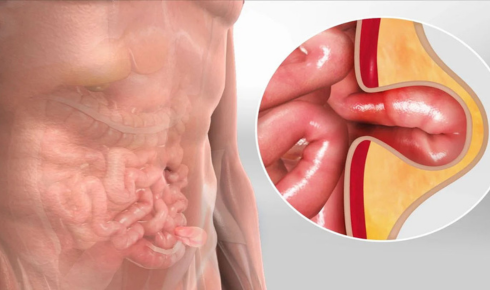
    A hernia happens when an internal part of your body pushes through a weak spot in muscle or tissue. That’s what creates the bulge. But the symptoms can vary more than people expect.

    For some, it’s just a visible lump that appears when standing and disappears when lying down. For others, there’s discomfort, a dragging sensation, or even sharp pain during certain movements.

    What’s tricky is that these symptoms can be mild at first. Easy to ignore. But over time, they tend to become more noticeable.

    And that’s usually when people start paying attention.

    Why Ignoring It Doesn’t Always Work

    There’s a common hope that things like this will just resolve on their own. That with enough rest, or a bit of care, the body will fix itself.

    But hernias don’t really work that way.

    They might stay stable for a while, especially if they’re small. But they don’t disappear without treatment. And in some cases, they can gradually worsen, leading to more discomfort or complications.

    That’s when the conversation shifts from “let’s wait and see” to something more proactive.

    When Surgery Enters the Picture

    Hearing the word “surgery” can feel like a turning point. It makes everything seem more serious, more immediate.

    But here’s something worth knowing—hernia repair is one of the most common procedures performed today. And modern hernia surgical care has come a long way from what people might remember or imagine.

    It’s not just about fixing the problem. It’s about doing it in a way that minimizes disruption to the body.

    Many procedures now use smaller incisions and more precise techniques, which can make the entire experience feel less overwhelming than expected.

    And for a lot of patients, that realization brings a sense of relief.

    What the Process Actually Feels Like

    One of the biggest surprises for many people is how structured everything feels once they’re in it.

    There’s a clear plan. You meet with your doctor, discuss options, understand what’s involved. You’re not rushed into decisions—you’re guided through them.

    On the day of the procedure, things move in a calm, organized way. And afterward, there’s support. Instructions. Follow-ups.

    It’s not chaotic—it’s coordinated.

    And that makes a difference.

    Recovery Isn’t What It Used to Be

    If you’ve heard stories from years ago, you might expect recovery to be long and difficult.

    But today, postoperative recovery is approached differently.

    It’s more active, more guided. Patients are encouraged to move—carefully, of course—but sooner than they might expect. There’s advice on what to eat, how to rest, when to return to normal activities.

    It’s not about rushing the process. It’s about supporting it in a way that feels manageable.

    And that support can ease a lot of the anxiety people feel going into surgery.

    The Emotional Side of It All

    This is something that doesn’t always get talked about openly.

    Dealing with a hernia—and the possibility of surgery—can be stressful. There’s uncertainty, maybe even a bit of fear. You might find yourself overthinking small details or worrying about things you didn’t consider before.

    That’s completely normal.

    What’s encouraging is that healthcare providers are becoming more aware of this. There’s more emphasis on communication, on making sure patients feel informed and supported.

    Because it’s not just about fixing a physical issue—it’s about helping someone feel comfortable with the process.

    Choosing What Feels Right for You

    When it comes to treatment, there’s rarely a one-size-fits-all answer.

    Some hernias can be monitored for a time. Others benefit from earlier intervention. The decision depends on factors like size, symptoms, and overall health.

    The key is to take your time.

    Ask questions. Understand your options. Make sure you feel confident in the plan moving forward.

    Because when you feel informed, the decision feels less daunting.

    A Subtle Shift in Perspective

    What’s interesting is how hernia care has evolved—not just in technique, but in how it’s experienced.

    It’s no longer something that feels as intimidating or uncertain as it once did. There’s more clarity, more support, more focus on the patient.

    And that shift makes it easier to take action when it’s needed.

    Because when something feels manageable, it feels possible.

    Final Thoughts

    A hernia might start as a small, almost insignificant issue. But it’s not something to ignore indefinitely.

    The good news is that modern treatment options are more advanced, more precise, and more patient-friendly than ever before.

    If you’re noticing symptoms or considering treatment, don’t put it off. Learn what you can. Talk to a professional. Explore your options.

    Because understanding what’s happening—and what can be done about it—doesn’t just help you make better decisions.

    It helps you feel a little more in control.

    And sometimes, that’s exactly what you need to take the next step.
  • The Science Behind the Gentle and Soothing Effects of HiPP Formula

    The Science Behind the Gentle and Soothing Effects of HiPP Formula

    HiPP formula is a popular choice for parents who are looking for a gentle and nutritious alternative to breast milk. This organic formula is made with high-quality ingredients that are carefully selected to provide the best possible nutrition for babies. HiPP formula is free from artificial colors, preservatives, and genetically modified organisms (GMOs), making it a safe and healthy option for infants. The formula is also enriched with essential vitamins and minerals to support the growth and development of babies. With its commitment to quality and safety, HiPP formula has gained a strong reputation among parents who want the best for their little ones.

    HiPP formula is available in a variety of options to meet the specific needs of babies at different stages of development. From birth milk to follow-on milk, and growing-up milk, HiPP offers a comprehensive range of formulas to support the nutritional needs of infants and toddlers. Each formula is designed to provide the right balance of nutrients to support healthy growth and development. With its gentle and natural ingredients, HiPP formula is a popular choice for parents who want to provide their babies with the best possible start in life.

    Ingredients and their gentleness

    One of the key reasons why HiPP formula is so popular among parents is its gentle and natural ingredients. The formula is made with organic milk from cows that are raised on biodynamic farms, where they are free to graze on lush pastures and are not exposed to synthetic pesticides or fertilizers. This ensures that the milk used in HiPP formula is of the highest quality and free from harmful chemicals. In addition to organic milk, HiPP formula contains essential fatty acids, such as omega-3 and omega-6, which are important for brain and eye development. The formula also includes prebiotics and probiotics to support healthy digestion and a strong immune system.

    HiPP formula is free from artificial flavors, colors, and preservatives, as well as GMOs, making it a safe and gentle option for babies. The ingredients used in HiPP formula are carefully selected to provide the best possible nutrition for infants, while also being easy on their delicate digestive systems. This makes HiPP formula a popular choice for parents who want to provide their babies with a natural and gentle alternative to breast milk.

    Nutritional benefits for babies

    HiPP formula is designed to provide babies with the essential nutrients they need for healthy growth and development. The formula is enriched with vitamins and minerals, such as vitamin D, calcium, and iron, which are important for bone health and overall growth. In addition, HiPP formula contains essential fatty acids, such as DHA and ARA, which are important for brain and eye development. These nutrients are carefully balanced to support the specific needs of babies at different stages of development, from birth through toddlerhood.

    The gentle and natural ingredients in HiPP formula make it a nutritious option for babies who may not be able to breastfeed or need supplementation. The formula is easy to digest and provides a good source of protein, carbohydrates, and fats to support healthy growth and development. With its commitment to quality and safety, HiPP formula provides parents with peace of mind that they are providing their babies with the best possible nutrition.

    Comparison with other formula brands

    When it comes to choosing the right formula for their babies, parents have a wide range of options to consider. While there are many different brands of infant formula available on the market, HiPP formula stands out for its commitment to quality, safety, and natural ingredients. Unlike some other formulas that may contain artificial colors, flavors, or preservatives, HiPP formula is free from these additives, making it a gentle and natural option for babies.

    In addition to its gentle ingredients, HiPP formula is also enriched with essential vitamins and minerals to support healthy growth and development. The formula is carefully balanced to provide the right mix of nutrients for babies at different stages of development, from birth through toddlerhood. With its commitment to quality and safety, HiPP formula has gained a strong reputation among parents who want the best for their little ones.

    Parent reviews and experiences

    Many parents who have used HiPP formula for their babies have reported positive experiences with the product. They appreciate the gentle and natural ingredients in the formula, as well as its commitment to quality and safety. Parents have noted that their babies have thrived on HiPP formula, with many reporting improved digestion and overall health. Some parents have also found that their babies have been less fussy or gassy since switching to HiPP formula.

    Overall, parent reviews of HiPP formula have been overwhelmingly positive, with many praising the product for its gentle ingredients and nutritional benefits. Parents appreciate that they can provide their babies with a natural and nutritious alternative to breast milk, without having to worry about harmful additives or chemicals. With its strong reputation among parents, HiPP formula has become a popular choice for those who want the best for their little ones.

    Pediatrician recommendations

    Many pediatricians recommend HiPP formula as a safe and nutritious option for babies who may not be able to breastfeed or need supplementation. The gentle and natural ingredients in HiPP formula make it a popular choice among healthcare professionals who want to ensure that their patients are receiving the best possible nutrition. Pediatricians appreciate that HiPP formula is free from artificial colors, flavors, and preservatives, as well as GMOs, making it a safe and healthy option for infants.

    In addition to its gentle ingredients, HiPP formula is also enriched with essential vitamins and minerals to support healthy growth and development. Pediatricians trust that HiPP formula provides the right balance of nutrients for babies at different stages of development, from birth through toddlerhood. With its commitment to quality and safety, HiPP formula has gained the trust of healthcare professionals who want to ensure that their patients are receiving the best possible nutrition.

    Is HiPP formula gentle for your baby?

    In conclusion, HiPP formula is a gentle and natural option for parents who want to provide their babies with the best possible nutrition. The formula is made with high-quality organic ingredients that are carefully selected to support healthy growth and development. With its commitment to quality and safety, HiPP formula has gained a strong reputation among parents who want the best for their little ones.

    The gentle and natural ingredients in HiPP formula make it a popular choice among parents who want to provide their babies with a safe and healthy alternative to breast milk. The formula is enriched with essential vitamins and minerals to support the specific needs of babies at different stages of development. With its strong reputation among parents and healthcare professionals alike, HiPP formula has become a trusted option for those who want the best for their little ones. Overall, HiPP formula is a gentle and nutritious choice for babies who may not be able to breastfeed or need supplementation.

  • Preventing and Treating Infected Wounds: What You Need to Know

    Preventing and Treating Infected Wounds: What You Need to Know

    Proper wound care is crucial to prevent infections and promote healing. When a wound becomes infected, it can lead to serious complications, prolong the healing process, and increase the risk of more severe health issues. Understanding how to prevent and treat infected wounds is essential for ensuring a smooth recovery. This article will provide you with the necessary tips and information to manage wound care effectively.

    Understanding Wound Infections

    A wound infection occurs when bacteria, fungi, or other pathogens enter the wound site, leading to inflammation and other symptoms. Common signs of an infected wound include:

    • Increased Redness: Surrounding the wound
    • Swelling: That extends beyond the wound edges
    • Warmth: In the area around the wound
    • Pain: That intensifies over time
    • Pus or Discharge: Often with an unpleasant odor
    • Fever: In some cases, the infection can cause a fever, indicating that the body is fighting off the infection.

    If left untreated, an infected wound can lead to more severe conditions such as cellulitis, sepsis, or chronic wounds. Therefore, it’s crucial to take steps to prevent infection and know how to treat it if it occurs.

    Tips for Preventing Wound Infections1. Clean the Wound Thoroughly

    The first and most important step in preventing wound infections is to clean the wound as soon as possible. Use a wound wash solution or mild soap and water to gently cleanse the area, removing dirt, debris, and bacteria. Ensure that the wound is rinsed thoroughly to avoid leaving any contaminants behind.

    2. Apply an Antiseptic

    After cleaning the wound, applying an antiseptic solution or ointment can help kill any remaining bacteria and create a barrier against infection. Products like iodine, hydrogen peroxide, or antibiotic ointments are commonly used for this purpose.

    3. Cover the Wound Properly

    Covering the wound with a sterile dressing or bandage helps protect it from exposure to bacteria and other contaminants. Choose a dressing that suits the wound type—whether it’s a simple adhesive bandage for minor cuts or a more advanced dressing for larger wounds. Keeping the wound covered also maintains a moist environment that promotes faster healing.

    4. Change Dressings Regularly

    Changing wound dressings regularly is essential to prevent infections. For most wounds, changing the dressing once a day or whenever it becomes wet or dirty is recommended. During each dressing change, take the opportunity to inspect the wound for any signs of infection.

    5. Keep the Wound Dry

    While it’s important to keep the wound moist to promote healing, you should also ensure that it stays dry from external moisture sources, such as sweat or water. Avoid soaking the wound in water, and use waterproof dressings if necessary, especially when bathing.

    6. Practice Good Hygiene

    Always wash your hands before and after touching the wound or changing the dressing. This simple step can significantly reduce the risk of introducing bacteria to the wound site.

    Treating Infected Wounds

    If a wound shows signs of infection, prompt treatment is necessary to prevent the infection from worsening or spreading.

    1. Consult a Healthcare Professional

    If you suspect a wound infection, it’s important to seek medical advice. A healthcare professional can assess the severity of the infection and recommend appropriate treatment, which may include prescription antibiotics.

    2. Keep the Wound Clean

    Even after an infection develops, it’s important to continue cleaning the wound regularly. Use a wound wash solution or saline solution to gently cleanse the area. Avoid using harsh soaps or chemicals that could irritate the wound further.

    3. Apply Antibiotic Ointments

    In addition to oral antibiotics, your healthcare provider may recommend applying topical antibiotic ointments to the wound. These help combat the infection at the site and reduce bacterial growth.

    4. Change Dressings More Frequently

    When dealing with an infected wound, you may need to change the dressings more frequently to keep the wound clean and dry. This helps remove any pus or discharge and allows you to monitor the healing progress closely.

    5. Monitor for Signs of Improvement

    As you treat the wound, monitor it daily for signs of improvement. Reduced redness, swelling, and discharge are positive indicators that the infection is subsiding. If the wound does not improve or worsens, return to your healthcare provider for further evaluation.

    When to Seek Emergency Care

    In some cases, an infected wound can lead to serious complications that require immediate medical attention. Seek emergency care if you experience:

    • Severe pain or swelling
    • High fever or chills
    • Red streaks radiating from the wound
    • Difficulty moving the affected area
    • Signs of sepsis, such as confusion, rapid heart rate, or difficulty breathing

    Preventing and treating infected wounds is essential for a healthy recovery. By following proper wound care practices, you can significantly reduce the risk of infection and ensure that your wounds heal efficiently. Remember to clean the wound thoroughly, apply antiseptics, and cover it with an appropriate dressing. If an infection does occur, seek prompt medical treatment and follow the recommended care guidelines to prevent complications and promote healing. Proper wound management is key to maintaining overall health and well-being. Take care of your elderly relatives and search for absorbent sheets if they are needed.

  • Innovations in Genomic Testing – A New Era in Precision Medicine

    Innovations in Genomic Testing – A New Era in Precision Medicine

    Genomic testing is revolutionizing the field of precision medicine, enabling healthcare providers to tailor treatments based on an individual’s genetic makeup. By identifying genetic mutations and variations, genomic testing provides insights into disease risk, diagnosis, and treatment options. This article explores the latest innovations in genomic testing and their impact on precision medicine.

    The Role of Genomic Testing in Precision Medicine

    Personalized Treatment Plans

    Genomic testing allows for the development of personalized treatment plans that are tailored to an individual’s genetic profile.

    • Targeted Therapies: Identifying genetic mutations that drive diseases, such as cancer, allows for the use of targeted therapies that specifically attack those mutations.
    • Pharmacogenomics: Understanding how a patient’s genetic makeup affects their response to medications helps in selecting the most effective drugs and dosages, reducing the risk of adverse effects.

    Early Detection and Prevention

    Genomic testing plays a crucial role in the early detection and prevention of diseases.

    • Predictive Testing: Genetic screening can identify individuals at high risk for certain diseases, allowing for proactive monitoring and early intervention.
    • Preventive Strategies: Identifying genetic predispositions enables the implementation of preventive strategies, such as lifestyle modifications and regular screenings, to reduce the risk of developing diseases.

    Diagnosis and Classification of Diseases

    Genomic testing enhances the accuracy of disease diagnosis and classification.

    • Molecular Diagnostics: Analyzing genetic material from tumors and other tissues helps in accurately diagnosing diseases and subtyping cancers, leading to more precise treatment strategies.
    • Rare Diseases: Genomic testing aids in diagnosing rare genetic disorders that may be challenging to identify using traditional diagnostic methods.

    Innovations in Genomic Testing

    Next-Generation Sequencing (NGS)

    Next-generation sequencing (NGS) has revolutionized genomic testing by enabling the rapid and comprehensive analysis of genetic material.

    • Whole-Genome Sequencing: NGS allows for the sequencing of an entire genome, providing a comprehensive view of genetic variations.
    • Targeted Sequencing Panels: Focused sequencing of specific genes or regions associated with particular diseases offers detailed insights into genetic mutations.

    CRISPR and Gene Editing

    CRISPR technology is transforming genomic testing and precision medicine by enabling precise editing of genetic material.

    • Gene Therapy: CRISPR can correct genetic mutations at their source, offering potential cures for genetic disorders.
    • Functional Genomics: Editing genes to study their function helps in understanding disease mechanisms and identifying therapeutic targets.

    Liquid Biopsies

    Liquid biopsies offer a non-invasive alternative to traditional tissue biopsies for genomic testing.

    • Circulating Tumor DNA (ctDNA): Analyzing ctDNA from blood samples provides information on genetic mutations and tumor dynamics, aiding in cancer diagnosis and monitoring.
    • Early Detection: Liquid biopsies enable the early detection of cancers and other diseases through the identification of genetic alterations in blood samples.

    Artificial Intelligence and Machine Learning

    Artificial intelligence (AI) and machine learning are enhancing the interpretation of genomic data, leading to more accurate and actionable insights.

    • Data Analysis: AI algorithms analyze vast amounts of genomic data to identify patterns and correlations that may not be evident to human analysts.
    • Predictive Modeling: Machine learning models predict disease risk and treatment responses based on genetic information, aiding in clinical decision-making.

    Benefits of Genomic Testing in Precision Medicine

    Improved Treatment Outcomes

    Personalized treatment plans based on genomic testing lead to better treatment outcomes and reduced side effects.

    • Targeted Therapies: Effective targeting of genetic mutations results in higher treatment efficacy and improved patient outcomes.
    • Minimized Adverse Effects: Selecting medications based on genetic profiles reduces the likelihood of adverse reactions.

    Enhanced Disease Management

    Genomic testing provides valuable insights that improve disease management and monitoring.

    • Real-Time Monitoring: Liquid biopsies and other genomic tests enable real-time monitoring of disease progression and treatment response.
    • Dynamic Adjustments: Ongoing genomic testing allows for dynamic adjustments to treatment plans based on the latest genetic data.

    Increased Preventive Care

    Identifying genetic risk factors promotes preventive care and early intervention.

    • Proactive Health Management: Individuals with known genetic risks can adopt preventive measures and undergo regular screenings to detect diseases early.
    • Informed Lifestyle Choices: Genetic information guides individuals in making lifestyle choices that reduce their risk of developing diseases.

    Challenges and Solutions

    Data Privacy and Security

    Ensuring the privacy and security of genetic data is paramount.

    • Encryption and Security Protocols: Implementing robust encryption and security measures protects sensitive genetic information.
    • Regulatory Compliance: Adhering to regulations such as GDPR and HIPAA ensures that genetic data is handled responsibly and ethically.

    Interpretation of Genomic Data

    Interpreting complex genomic data requires specialized knowledge and expertise.

    • Professional Training: Providing training and resources for healthcare professionals enhances their ability to interpret and apply genomic data.
    • Collaborative Networks: Establishing collaborative networks of geneticists, bioinformaticians, and clinicians facilitates the interpretation and application of genomic data.

    Cost and Accessibility

    The cost of genomic testing can be a barrier for some individuals and healthcare systems.

    • Insurance Coverage: Expanding insurance coverage for genomic tests can improve accessibility for patients.
    • Cost-Effective Solutions: Developing cost-effective genomic testing solutions and leveraging economies of scale can reduce overall costs.

    Future Directions in Genomic Testing and Precision Medicine

    Integration of Multi-Omics Data

    Integrating genomic data with other omics data (e.g., proteomics, metabolomics) provides a more comprehensive view of health and disease.

    • Holistic Health Insights: Combining multiple layers of biological data enhances understanding of disease mechanisms and identifies new therapeutic targets.
    • Precision Health: Multi-omics data supports precision health approaches that tailor interventions to the unique biological characteristics of each individual.

    Expansion of Gene Editing Applications

    Expanding the applications of CRISPR and other gene editing technologies will advance precision medicine.

    • Therapeutic Development: Developing new gene therapies for a wider range of genetic disorders.
    • Functional Genomics Research: Using gene editing to explore gene functions and their role in health and disease.

    Personalized Preventive Medicine

    The future of precision medicine includes personalized preventive approaches based on genetic risk assessments.

    • Predictive Health Models: Using genetic information to develop predictive health models that identify individuals at high risk for specific diseases.
    • Preventive Interventions: Implementing personalized preventive interventions to reduce disease risk and improve long-term health outcomes.

    Global Collaboration and Data Sharing

    Global collaboration and data sharing are essential for advancing genomic testing and precision medicine.

    • International Research Networks: Establishing international research networks to share data, knowledge, and best practices.
    • Open Data Initiatives: Promoting open data initiatives that facilitate the sharing of genomic data and research findings.

    Innovations in genomic testing are ushering in a new era of precision medicine, enabling personalized treatments, early detection, and preventive care. By leveraging advanced technologies such as NGS, CRISPR, liquid biopsies, and AI, healthcare providers can deliver more accurate diagnoses and effective treatments tailored to individual genetic profiles. Despite challenges related to data privacy, interpretation, and cost, ongoing advancements and collaborative efforts will continue to drive the evolution of genomic testing and precision medicine, ultimately improving health outcomes and transforming healthcare.

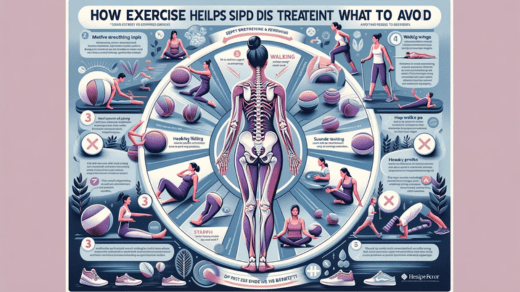
  • How Exercise Helps Slipped Disc Treatment And What To Avoid

    How Exercise Helps Slipped Disc Treatment And What To Avoid

    What is a slipped disc?

    A slipped disc, also known as a herniated, bulged, or ruptured disc, is a painful condition in which the nucleus extends beyond the outer fibrous layer of the tissue. Due to this, the person experiences discomfort in their neck, back, hips, buttocks, or legs. Other signs of a slipped disc include lower back pain, pain and numbness on one particular side of the body, muscle weakness, numbness, tingling, and a burning sensation in the affected area. Fortunately, various exercises can help with slipped disc treatment, which can alleviate pain and discomfort at the initial stage.

    Let us understand how exercise can help with pain management associated with slipped discs and the exercises to avoid that can worsen the situation.

    How Can Exercises Help With Slipped Disc Treatment?

    Lying down or sitting for a long time will never help you manage a slipped disc. It may worsen the condition or result in an extended recovery time. Staying physically active is essential to improving overall health. The symptoms associated with a slipped disc take time to heal. Some heal within a couple of weeks, whereas many people take months to recover.

    Beginning with gentle exercises can help you understand how your body responds to simple movements. It is common to experience some pain when doing mild exercise, but if it gets worse or moves to another area of your body, stop right away.

    Exercises For A Slipped Disc

    ●    Neck Stretches

    People can try neck stretches to relieve pain and pressure from the slipped disc near the neck. Start by sitting straight on the chair, and move your chin towards the chest and back to the headrest to stretch the neck. Bend the left ear to the left shoulder, then the right ear to the right shoulder, and repeat it several times for neck stretching.

    ●    Hamstring Stretches

    Hamstring exercises will help alleviate the strain in the lower back and legs caused by slipped discs. Sit upright in the chair with one foot flat on the ground and the other outstretched, heel on the ground, to perform a mild stretch. Lean towards the extended leg to feel the stretch at the back of the upper thigh. Hold the position for 15–30 seconds and repeat the same with the other leg.

    ●    Back Flexion Stretch

    Lie on your back and fold your knees towards the chest. While staying in the same position, move your head forward to feel a comfortable stretch across the lower and mid back. Hold the position for 15 to 30 seconds and repeat it multiple times.

    Exercises To Avoid

    People with slipped discs must avoid heavy lifting, as the sudden pressure on the back may increase the pain. They should also avoid exercises that worsen the pain. Also, they should avoid high-impact activities, such as jogging or martial arts, as these can jar the spine.

    Conclusion

    Before indulging in any physical activity, the person must consult their healthcare providers. For more information on 100% non-surgical slipped disc treatment, book an appointment with the specialists at top healthcare centers like ANSSI Wellness and say goodbye to pain and discomfort forever.

  • Benefits of Participating in Clinical Trials

    Benefits of Participating in Clinical Trials

    Clinical trials are crucial in advancing medical science by testing new treatments, drugs, and technologies. These trials allow researchers to assess the effectiveness and safety of innovative treatment options before they become publicly available. Participants in these trials can gain access to cutting-edge medical interventions before they are publically released, potentially benefiting from treatments that are not yet available to the broader public.

    However, people are still hesitant to participate in clinical trials due to dogma and myths. However, everything is fine, as we will share detailed information about the benefits and risks of participating in the clinical trials.

    #1 – Access to New Treatments

    Clinical trial participants often gain access to new treatments and medications before they are approved for general use. This benefits people suffering from life-threatening conditions, as they might not have active medicine. Additionally, the participants receive cutting-edge treatment and complete observation from expert doctors, which is not possible with a regular treatment schedule.

    #2 – Contribution to Medical Research

    The main aim of clinical trials is to advance the medical industry with innovations. Fortunately, the participants in the clinical trials are getting the treatment and providing valuable inputs for the betterment of the medical industry. As the participants are nothing but trial objects, they provide valuable insights that can set the pace for the safety of future generations.

    Risks of Participating in Clinical Trials

    #1 – Uncertain Results

    You’ve understood the benefits of participating in the trials, but the uncertain results are one of the significant risks. As the clinical trials are experiments on humans, the researchers are unsure about the outcomes. The outcomes can be positive or negative, and the participants must agree before joining. Fortunately, there is a very low chance of side effects, as everything has been tested on animals before being made available for human participants.

    You might like this:

    #2 – Time Consuming

    Participating in a clinical trial can be time-consuming and demanding. Participants may need to undergo frequent medical tests, visit the trial site regularly, and adhere to strict treatment schedules. These requirements can cause certain health complications and impact the participants’ personal lives. Fortunately, there are numerous ways to participate in the trials, including Telemedicine and others virtually.

    Final Words

    Clinical trials are very important for advancements in the medical industry. If the clinical trials go through all the stages faster, the authorities can analyze the data and approve the medicine or treatment regime for the public without any issues. The participants are getting some benefits and facing risks, but the participation is for the greater good.

  • Discovering the Best Neuro Hospital in Bangalore

    Discovering the Best Neuro Hospital in Bangalore

    When it comes to neuro healthcare, Bangalore stands out as a hub of excellence. Neuro hospitals in Bangalore offer state-of-the-art facilities and top-notch care for patients with neurological conditions. Among these, Apollohospitals shines as a leader in the field.

    Why Choose a Neuroscience Hospital in Bangalore?

    neuroscience hospital in bangalore are renowned for their specialized care and advanced treatment options. Patients from across the country flock to Bangalore seeking the expertise available in its neuro hospitals.

    The Importance of Finding the Best Neuro Hospital in Bangalore

    Choosing the right neuro hospital in Bangalore is crucial for effective treatment and recovery. The best neurology hospital will have a team of skilled professionals, cutting-edge technology, and a patient-centric approach.

    Apollohospitals: Your Destination for Neurological Care

    Among the myriad options available, Apollohospitals stands out as the premier choice for neuro healthcare in Bangalore. With a legacy of excellence and a commitment to innovation, Apollohospitals offers comprehensive services for patients with neurological disorders.

    What Sets Apollohospitals Apart?

    • Top Neuro Hospital in Bangalore: Apollohospitals consistently ranks as one of the top neuro hospitals in Bangalore, thanks to its world-class infrastructure and unmatched expertise.
    • Best Neuro Hospital in Bangalore: With a focus on delivering exceptional care and positive outcomes, Apollohospitals has earned the reputation of being the best neuro hospital in Bangalore.
    • Expert Neurologists: At Apollohospitals, patients have access to some of the best neurologists in Bangalore. These experts bring years of experience and specialized knowledge to the table, ensuring accurate diagnosis and personalized treatment plans.
    • Cutting-Edge Technology: Apollohospitals is equipped with the latest technology and advanced diagnostic tools, enabling precise evaluations and targeted interventions for neurological conditions.
    • Patient-Centric Approach: Every aspect of care at Apollohospitals is designed with the patient in mind. From compassionate staff to comfortable facilities, the focus remains on providing a supportive environment for healing and recovery.

    Services Offered at Apollohospitals

    • Diagnosis and Treatment of Neurological Disorders
    • Neurosurgery
    • Neurorehabilitation
    • Stroke Care
    • Epilepsy Management
    • Movement Disorders Clinic
    • Memory Clinic
    • Headache Clinic

    Choosing the Best Neurologist in Bangalore

    When seeking neurological care, the expertise of the neurologist plays a significant role. Apollohospitals boasts a team of renowned neurologists who are leaders in their respective fields.

    For those in search of the best neuro hospital in Bangalore, look no further than Apollohospitals. With its commitment to excellence, advanced technology, and compassionate care, Apollohospitals stands as a beacon of hope for patients with neurological conditions in Bangalore and beyond.

  • Lemon Bottle – Enhance Your Skin and Dissolve Fat Naturally

    Lemon Bottle – Enhance Your Skin and Dissolve Fat Naturally

    In the quest for a radiant complexion and effective fat loss, many turn to innovative products like lemon bottle skin booster. Offering a dual benefit of skin enhancement and fat dissolving, Lemon Bottle has gained popularity for its natural approach and promising results.

    Understanding Lemon Bottle Reviews

    Before delving into the details of Lemon Bottle, let’s decipher what users and experts have to say about this product. Reviews often serve as a compass, guiding potential consumers towards informed decisions. In the case of Lemon Bottle, glowing testimonials highlight its efficacy in improving skin texture and aiding in fat reduction.

    The Mechanism of Lemon Bottle Fat Dissolving

    Lemon Bottle operates on the principle of utilizing natural ingredients to stimulate fat metabolism within the body. By incorporating potent components known for their fat-burning properties, this product targets stubborn fat deposits, gradually reducing them over time.

    Benefits of Lemon Bottle Fat Dissolving

    The benefits of Lemon Bottle extend beyond mere fat reduction. Users have reported noticeable improvements in skin elasticity and firmness, attributing these effects to the product’s unique formula. Additionally, Lemon Bottle’s natural composition minimizes the risk of adverse reactions, making it a safe choice for many individuals.

    How to Use Lemon Bottle for Fat Dissolving

    Achieving optimal results with Lemon Bottle requires adherence to a recommended usage protocol. Typically, users are advised to incorporate the product into their daily routine, either through oral consumption or topical application, as per the instructions provided.

    Ingredients in Lemon Bottle

    Lemon Bottle prides itself on sourcing high-quality, natural ingredients renowned for their skincare and fat-burning properties. Key components such as lemon extract, green tea extract, and vitamin C work synergistically to deliver visible results without compromising on safety.

    Safety Considerations

    While Lemon Bottle boasts a natural formulation, it’s essential to exercise caution and consult with a healthcare professional before commencing its usage, especially for individuals with pre-existing medical conditions or allergies.

    Comparing Lemon Bottle with Other Fat Dissolving Products

    In a market flooded with fat dissolving solutions, Lemon Bottle stands out for its holistic approach and emphasis on natural ingredients. A comparative analysis reveals its competitive edge over synthetic alternatives, garnering trust among consumers seeking sustainable solutions.

    User Testimonials on Lemon Bottle

    Real-life experiences often serve as the ultimate testament to a product’s efficacy. Countless users have shared their success stories with Lemon Bottle, citing visible improvements in both skin quality and body composition. These testimonials reaffirm the product’s credibility and fuel its growing popularity.

    Where to Buy Lemon Bottle

    For those intrigued by the promises of Lemon Bottle, procuring the product is a straightforward process. It is readily available through authorized retailers, online platforms, and the official Lemon Bottle website, ensuring easy accessibility for interested individuals.

    Pricing Options

    Lemon Bottle offers various pricing packages to cater to diverse consumer preferences and budgetary constraints. Whether opting for a single purchase or subscribing to a monthly supply, users can select the option that best aligns with their needs and goals.

    In conclusion, Lemon Bottle emerges as a multifaceted solution for individuals seeking to elevate their skincare regimen while embarking on a journey towards sustainable fat loss. With its natural composition, proven efficacy, and glowing reviews, Lemon Bottle encapsulates the essence of holistic wellness and beauty enhancement.