Author: onestopmagazine.com

  • Unraveling the Mystery of Indian Matka, Satta, and More

    Unraveling the Mystery of Indian Matka, Satta, and More

    In the world of online gambling and betting, the terms “Indian Matka,” “Indian Satta” “Madhur Matka,” “IndianSatta,” “Final Ank,” “Tara Matka,” “Matka 420,” and “Golden Matka” often crop up. These are not just mere words but represent a thriving subculture that has captured the imagination of many enthusiasts in India. In this article, we delve deep into the fascinating realm of Indian Matka, Satta, and its various iterations. We will explore its origins, gameplay, strategies, and much more.

    Indian Matka is a popular form of gambling that originated in India in the mid-20th century. It involves placing bets on numbers, and the game’s outcome depends on the numbers drawn during a specific event. Over the years, Indian Matka has evolved and diversified into various forms, making it a dynamic and engaging pastime for many.

    Understanding the Indian Satta

    Indian Satta, often used interchangeably with Indian Matka, is another variant of this gambling game. It involves betting on numbers, but the rules and gameplay may differ slightly. Satta has a significant following, especially in the northern regions of India.

    Madhur Matka: A Popular Variation

    Madhur Matka is a specific variation of the Matka game that has gained popularity due to its unique set of rules and patterns. Players are drawn to the challenge and excitement it offers.

    IndianSatta: The Online Evolution

    In recent years, with the advent of online platforms, IndianSatta has transcended geographical boundaries and has become accessible to a global audience. The convenience of playing online has contributed to its popularity.

    The Significance of the Final Ank

    The concept of the Final Ank is pivotal in Indian Matka. It represents the last digit of the total of the player’s selected numbers. Understanding how the Final Ank works is crucial for success in the game.

    Tara Matka: Where Tradition Meets Modernity

    Tara Matka is a fusion of traditional Matka gameplay with modern features and convenience. It offers a unique gaming experience that attracts both novices and seasoned players.

    Exploring the Enigma of Matka 420

    Matka 420, known for its unpredictability and high stakes, is a variant that keeps players on the edge of their seats. The name itself suggests the intensity and intrigue associated with this form of Matka.

    Golden Matka: Where Fortunes Are Made

    Golden Matka is a variation that promises substantial rewards for those who dare to bet big. It has gained a reputation for being a game for risk-takers and those with a keen understanding of the odds.

    The History and Origins

    To truly appreciate Indian Matka and its various forms, it’s essential to delve into its rich history and understand how it evolved from a simple game to a phenomenon that captivates millions.

    How to Play Matka and Satta

    The gameplay of Matka and Satta involves choosing numbers and placing bets. This section will provide a step-by-step guide on how to participate in these thrilling games.

    Winning Strategies

    While luck plays a significant role in Matka and Satta, there are strategies and techniques that players employ to enhance their chances of winning. We’ll explore some of these tactics.

    The Legal Status of Matka and Satta in India

    The legal status of gambling in India is a complex issue. This section will shed light on the legal aspects and challenges associated with Indian Matka and Satta.

    Online Matka and Satta Platforms

    With the rise of online gambling platforms, players have more options than ever before. We’ll discuss the advantages and disadvantages of playing Matka and Satta online.

    The Thrill of the Game: Experience Shared

    In this section, we’ll hear stories and experiences from passionate Matka and Satta players who have tasted both victory and defeat in their pursuit of fortune.

    The Allure of Matka and Satta

    In conclusion, Indian Matka, Satta, and their various forms have a magnetic appeal that continues to draw players into their world of numbers and chance. The blend of tradition and modernity, the thrill of uncertainty, and the potential for substantial rewards make these games a unique phenomenon in the world of gambling.

    So, whether you’re a curious beginner or a seasoned player, the world of Indian Matka, Satta, and its numerous avatars awaits. Get ready to roll the dice, choose your numbers, and experience the excitement of these timeless games.

  • Choosing the Right Programming Language for Your Project

    Choosing the Right Programming Language for Your Project

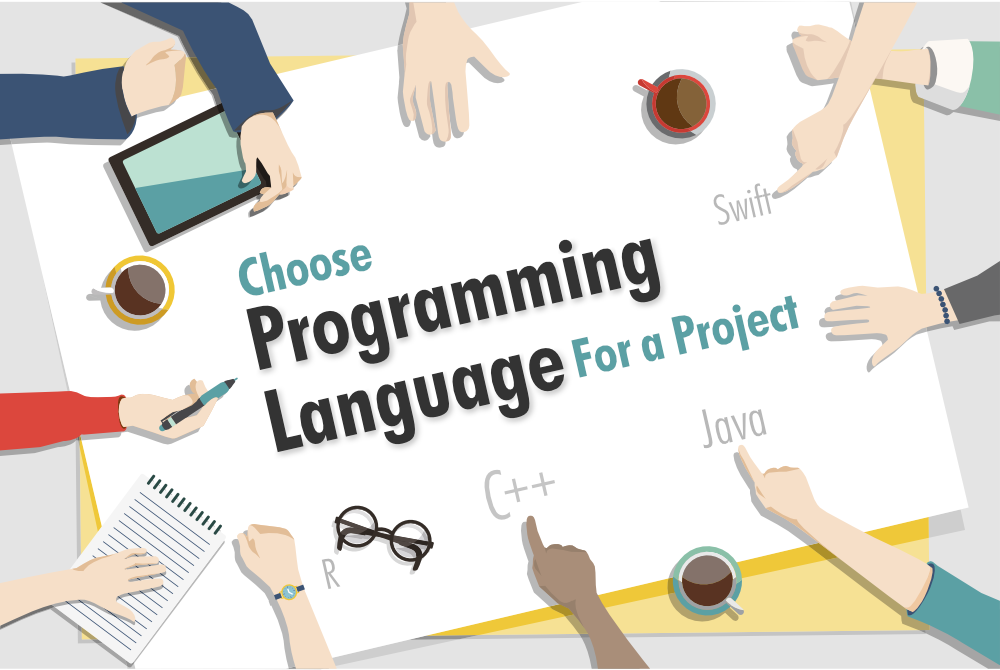
    Choosing the right programming language for a software project is a critical decision that can impact the success and efficiency of the development process. With a multitude of programming languages available, each with its own strengths and use cases, understanding how to match a language to your project’s requirements is essential. In this guide, we’ll explore factors to consider when making this important choice.

    Project Requirements:

    The first step in selecting a programming language is to understand the specific requirements of your project. Consider the following aspects:

    • Type of Application: Are you developing a web application, mobile app, desktop software, or something else? Different programming languages are better suited for different types of applications.
    • Functionality: What features and functionalities does your application need? Some languages are better equipped for certain tasks, such as data analysis, machine learning, or real-time processing.
    • Performance: Do you need high performance and efficiency? Some languages, like C++ or Rust, are known for their speed and optimization capabilities.
    • Scalability: Will your application need to scale as user demand increases? Languages like Java and Python offer robust scalability options.

    Language Characteristics:

    Each programming language has its own characteristics and strengths:

    • Ease of Learning: Some languages, like Python, are known for their readability and simplicity, making them great choices for beginners.
    • Community and Resources: Consider the size of the language’s community, as well as the availability of tutorials, libraries, and resources that can assist in development.
    • Popularity and Industry Adoption: Languages with a strong community and industry adoption often have better support and a broader talent pool of developers.

    Ecosystem and Frameworks:

    Programming languages often come with ecosystems of tools, libraries, and frameworks that can significantly speed up development:

    • Frameworks: Many languages have frameworks that provide a structured way to build applications. For example, Django and Flask are popular frameworks for Python web development.
    • Libraries: Libraries provide pre-written code that can be used to perform specific tasks, saving time and effort during development.

    Compatibility and Integration:

    Consider how well a programming language integrates with other tools and systems:

    • Interoperability: Some languages seamlessly integrate with other languages, enabling you to leverage existing code or libraries.
    • Platform Support: If you’re targeting specific platforms, such as iOS or Android, make sure the language supports your target platforms.

    Longevity and Future Proofing:

    Choose a programming language that is likely to remain relevant in the long term. Avoid languages that are fading in popularity or have limited community support.

    Developer Skillset:

    Assess the skills of your development team. Choosing a language that your team is familiar with can expedite development and reduce the learning curve.

    Conclusion:

    Choosing the right programming language is a crucial decision that can influence the success of your project. By carefully considering project requirements, language characteristics, ecosystem, compatibility, and developer skillset, you can make an informed decision that aligns with your project’s goals and maximizes its potential for success. Whether you’re building a web application, a mobile app, or a complex software system, the right programming language can be the foundation for a successful and efficient development journey.

  • Demystifying Software Development: A Beginner’s Guide

    Demystifying Software Development: A Beginner’s Guide

    In today’s digital age, software powers everything from our smartphones to the tools we use at work. If you’ve ever wondered about the world of software development but found it daunting, fear not—this beginner’s guide is here to demystify the process and provide you with a clear understanding of the fundamentals.

    What is Software Development?

    At its core, software development is the process of creating computer programs or applications that perform specific tasks or functions. These programs can range from mobile apps and web applications to complex software systems used in industries like finance, healthcare, and entertainment.

    The Software Development Lifecycle:

    1. Requirements Gathering: The process begins with understanding the requirements and needs of the software. This involves collaborating with stakeholders to define the features, functionality, and goals of the application.
    2. Design: During the design phase, developers create a blueprint of the software’s architecture and user interface. This includes designing how different components will interact and planning the user experience.
    3. Implementation (Coding): This is where the actual coding takes place. Developers write the code according to the design specifications. Programming languages like Python, Java, and JavaScript are commonly used for this purpose.
    4. Testing: Testing is a crucial step to identify and fix any errors or bugs in the software. Various testing methods, such as unit testing, integration testing, and user acceptance testing, are employed to ensure the software functions as intended.
    5. Deployment: Once the software passes testing and quality checks, it’s ready for deployment. This involves making the software available to users, whether through app stores, websites, or internal networks.
    6. Maintenance and Updates: After deployment, the software requires ongoing maintenance to address any issues that arise and to keep it up-to-date with evolving technologies and user needs.

    The Role of Programming Languages:

    Programming languages are the building blocks of software development. Different languages serve different purposes, and choosing the right language depends on factors like the project’s complexity, the desired features, and the target platform.

    • Python: Known for its simplicity and readability, Python is versatile and widely used for web development, data analysis, artificial intelligence, and more.
    • Java: Java is a popular choice for building cross-platform applications and large-scale systems. It’s known for its stability and extensive libraries.
    • JavaScript: JavaScript is essential for web development, enabling dynamic and interactive user experiences in web browsers.
    • C++: C++ is used for high-performance applications and systems programming. It’s commonly employed in areas like gaming and embedded systems.
    • Swift and Kotlin: These languages are preferred for developing mobile applications on the iOS and Android platforms, respectively.

    The Importance of Problem-Solving:

    Problem-solving is a foundational skill in software development. Developers encounter challenges in coding, debugging, and optimizing performance. Being able to analyze problems, break them down into manageable parts, and find effective solutions is essential.

    Continuous Learning:

    The field of software development is ever-evolving due to advancements in technology. Developers need to stay updated with the latest programming languages, frameworks, and tools to remain competitive and create cutting-edge applications.

    Conclusion:

    Software development is a dynamic and rewarding field that empowers individuals to create digital solutions that impact people’s lives. By understanding the development lifecycle, programming languages, problem-solving skills, and the importance of continuous learning, aspiring developers can embark on a journey to create innovative software that drives progress in the digital world.

  • Simplifying Your Space: The Magic of Minimalist Living

    Simplifying Your Space: The Magic of Minimalist Living

    In a world that often values excess and accumulation, the concept of minimalist living stands as a refreshing alternative. Minimalism is more than just an interior design trend—it’s a lifestyle that prioritizes simplicity, intentionality, and the removal of clutter from both physical and mental spaces. Let’s delve into the magic of minimalist living and how it can bring clarity and contentment to your life.

    At its core, minimalist living is about consciously choosing to live with fewer possessions, focusing on what truly adds value and joy to your life. This intentional approach can lead to a range of benefits, from reduced stress to increased freedom and enhanced well-being.

    1. Decluttering: One of the first steps in embracing minimalist living is decluttering your physical space. This involves going through your belongings and letting go of items that no longer serve a purpose or bring you joy. The process can be liberating, helping you create a more organized and serene environment.
    2. Quality Over Quantity: Minimalism encourages you to invest in high-quality items that are built to last, rather than accumulating a large number of disposable possessions. By choosing quality over quantity, you not only reduce waste but also surround yourself with things that truly resonate with your values.
    3. Mindful Consumption: Minimalist living encourages a shift away from mindless consumerism. Before making a purchase, consider whether the item aligns with your needs and values. This mindful approach to consumption can lead to more intentional and satisfying purchases.
    4. Focus on Experiences: Minimalism places greater emphasis on experiences over material possessions. Instead of accumulating things, prioritize activities and experiences that bring joy, fulfillment, and lasting memories.
    5. Less Mental Clutter: The benefits of minimalism extend beyond physical spaces. Simplifying your surroundings can lead to reduced mental clutter and enhanced focus. When your environment is organized and unburdened by excess, your mind can function more efficiently.
    6. Enhanced Creativity: A clutter-free space provides room for creativity to flourish. Minimalist living allows you to appreciate the beauty in simplicity, fostering creativity in various aspects of your life.
    7. Freedom to Explore: By owning fewer possessions, you free yourself from the burden of maintaining and storing excess items. This newfound freedom gives you the flexibility to explore new opportunities, travel, and engage in activities that align with your passions.
    8. Environmental Impact: Minimalism aligns with sustainable living by reducing consumption and waste. As you consume less and choose products mindfully, you contribute to a smaller ecological footprint.
    9. Personal Growth: Letting go of attachment to material possessions can lead to personal growth and a deeper understanding of what truly matters. Minimalism encourages introspection and self-discovery, enabling you to focus on your values and aspirations.
    10. Embracing Simplicity: Minimalist living encourages you to pare down to what’s essential and meaningful. By embracing simplicity, you create a space that reflects your authentic self and fosters a sense of calm and tranquility.

    In conclusion, minimalist living invites you to shift your focus from accumulating possessions to cultivating a life rich in meaning, experiences, and connection. By simplifying your space and embracing intentional living, you can create a harmonious environment that supports your well-being, creativity, and personal growth.

  • Mastering the Art of Self-Care: A Guide to Nurturing Your Well-Being

    Mastering the Art of Self-Care: A Guide to Nurturing Your Well-Being

    In a world that’s always on the move and filled with various demands, taking care of yourself might seem like a luxury. However, self-care is not just a trend—it’s a vital practice for maintaining overall well-being and ensuring that you’re equipped to navigate life’s challenges. This article is your guide to mastering the art of self-care and making it an integral part of your daily routine.

    Self-care is about intentionally taking steps to care for your physical, emotional, and mental well-being. It’s not about being selfish; it’s about recognizing your own needs and making a conscious effort to meet them. By prioritizing self-care, you’re investing in your long-term health and happiness.

    1. Know Yourself: Self-care is highly individual. What brings joy and relaxation to one person might not work for another. Start by understanding your own preferences and needs. Do you find solace in reading a book, taking a walk, practicing yoga, or simply sitting in silence? Identifying your preferences is the first step in crafting a self-care routine that works for you.
    2. Set Boundaries: In our hyperconnected world, it’s easy to become overwhelmed by constant notifications and demands. Setting boundaries is a key aspect of self-care. Learn to say no when you’re stretched thin and create designated times for unplugging from technology. This can create a sense of control and reduce stress.
    3. Prioritize Sleep: Sleep is the foundation of well-being. Ensure you’re getting enough quality sleep each night. Establish a calming pre-sleep routine, create a comfortable sleep environment, and aim for a consistent sleep schedule.
    4. Nourish Your Body: Proper nutrition and hydration are essential for your physical and mental health. Make an effort to eat a balanced diet rich in whole foods, fruits, vegetables, and lean proteins. Staying hydrated supports energy levels and cognitive function.
    5. Move Your Body: Regular physical activity has numerous benefits for both your body and mind. Whether it’s going for a run, practicing yoga, or dancing, find a form of exercise that you enjoy and can incorporate into your routine.
    6. Practice Mindfulness: Mindfulness involves being present in the moment without judgment. Techniques like meditation and deep breathing can help you manage stress, reduce anxiety, and cultivate a sense of calm.
    7. Engage in Activities You Love: Engaging in hobbies and activities that bring you joy and fulfillment can have a positive impact on your well-being. Whether it’s painting, playing a musical instrument, gardening, or cooking, these activities can provide a sense of accomplishment and relaxation.
    8. Connect with Others: Building and maintaining strong relationships is an essential part of self-care. Spend time with loved ones, engage in meaningful conversations, and seek social support when needed.
    9. Practice Self-Compassion: Treat yourself with the same kindness and understanding you would offer to a friend. Be mindful of negative self-talk and practice self-compassion when facing challenges or setbacks.
    10. Rest and Relaxation: Taking breaks and allowing yourself to rest is crucial. Schedule downtime for activities that help you unwind, whether it’s taking a bath, listening to music, or simply sitting in nature.

    In conclusion, self-care is not a luxury—it’s a necessity. Prioritizing your well-being through intentional self-care practices can lead to improved physical health, enhanced emotional resilience, and an overall better quality of life. By making self-care a consistent part of your routine, you’re investing in yourself and setting the foundation for a happier and healthier future.

  • Exploring the Psychology of Gaming: Why We Love to Play

    Exploring the Psychology of Gaming: Why We Love to Play

    The allure of gaming is undeniable, captivating millions of people around the world for hours on end. But what is it about gaming that makes it so engaging and addictive? The psychology of gaming provides valuable insights into the reasons behind our love for playing, from the sense of achievement to the escape from reality.

    One of the key psychological aspects of gaming is the concept of “flow.” Flow is a state of deep engagement and focus where individuals are fully immersed in an activity. In gaming, this often occurs when the level of challenge matches the player’s skill level. When a game presents just the right amount of difficulty, players experience a sense of accomplishment and satisfaction, driving them to continue playing.

    Moreover, gaming offers a unique environment where players have a high degree of control and agency. Unlike passive forms of entertainment, such as watching TV or movies, gaming requires active participation and decision-making. This sense of agency can boost feelings of competence and autonomy, enhancing the overall gaming experience.

    Achievement is another psychological factor that contributes to the appeal of gaming. Many games incorporate systems of rewards, such as leveling up, earning badges, or completing challenges. These achievements trigger the brain’s reward center, releasing dopamine and reinforcing positive behavior. This cycle of achievement and reward encourages players to keep playing and striving for more accomplishments.

    Social interaction also plays a significant role in the psychology of gaming. Multiplayer games, online communities, and esports tournaments provide opportunities for social connection and collaboration. Whether it’s teaming up with friends in a cooperative game or competing against opponents in a competitive match, gaming fosters social bonds and a sense of belonging.

    For some individuals, gaming serves as a form of escape from the challenges of real life. Immersive game worlds and captivating narratives allow players to temporarily leave behind their worries and responsibilities. This escapism can provide relief from stress and anxiety, offering a mental respite from the demands of daily life.

    However, it’s important to acknowledge that excessive gaming can also have negative effects on mental and physical well-being. Gaming addiction is a recognized concern, and finding a healthy balance between gaming and other aspects of life is crucial.

    In conclusion, the psychology of gaming sheds light on why we find games so compelling. The interplay of challenge, achievement, agency, social interaction, and escapism contributes to our fascination with gaming. Understanding these psychological factors can help us appreciate the positive aspects of gaming while also being mindful of potential challenges.

  • The Evolution of Gaming: From Pong to Virtual Reality

    The Evolution of Gaming: From Pong to Virtual Reality

    The history of gaming is a fascinating journey that mirrors technological advancements and changing societal trends. From the humble beginnings of Pong to the immersive experiences of virtual reality (VR), the evolution of gaming has been marked by innovation, creativity, and a growing global community of players. Let’s take a closer look at this remarkable journey through time.

    The early days of gaming were characterized by simple graphics and limited gameplay. Pong, released in 1972, is often considered one of the first commercially successful arcade games. The game simulated table tennis by having players control virtual paddles to hit a digital ball back and forth. This marked the birth of interactive electronic entertainment and set the stage for the gaming revolution.

    The 1980s witnessed the rise of home gaming consoles like the Atari 2600 and Nintendo Entertainment System (NES). These consoles brought gaming into households around the world, introducing players to iconic titles such as “Space Invaders,” “Super Mario Bros.,” and “The Legend of Zelda.” These games not only became cultural phenomena but also laid the foundation for future gaming experiences.

    The 1990s were a pivotal decade for gaming, as technology began to catch up with creative aspirations. The introduction of 3D graphics and CD-ROMs allowed for more complex and immersive gameplay. This era saw the emergence of gaming genres like first-person shooters, role-playing games, and real-time strategy games, giving players a diverse range of experiences to enjoy.

    As the new millennium dawned, gaming entered the era of online multiplayer. With the proliferation of high-speed internet, players could now connect with others from around the world in games like “World of Warcraft” and “Counter-Strike.” This marked a shift from isolated gameplay to dynamic and social experiences that transcended geographical boundaries.

    The 2010s brought gaming to new heights with the advent of mobile gaming and the rise of indie game development. Smartphones and tablets provide a platform for casual gamers to enjoy quick and accessible gaming experiences. Additionally, indie developers challenged traditional game development norms by creating innovative and unique titles that resonated with players worldwide.

    The present-day showcases the culmination of decades of gaming evolution, with innovations like virtual reality (VR) and augmented reality (AR) pushing the boundaries of immersion. VR headsets transport players into entirely new worlds, while AR games like “Pokémon GO” integrate digital elements into the real world.

    In conclusion, the evolution of gaming is a testament to human creativity, technological progress, and the universal appeal of interactive entertainment. From the pioneering days of Pong to the boundless possibilities of virtual reality, the gaming industry continues to captivate, inspire, and shape the way we play and experience stories.

  • Behind the Scenes: Unveiling the Magic of Visual Effects in Films

    Behind the Scenes: Unveiling the Magic of Visual Effects in Films

    When the lights dim in the movie theater and the screen comes to life, audiences are transported to worlds of imagination and wonder. But what goes on behind the scenes to create these cinematic marvels? Visual effects (VFX) are the unsung heroes of filmmaking, seamlessly blending reality with fantasy and enhancing the moviegoing experience. In this article, we’ll pull back the curtain and unveil the magic of visual effects in films.

    Visual effects encompass a wide range of techniques used to create elements in a film that cannot be captured during live-action shooting. From creatures and environments to explosions and magic, VFX artists use their creativity and technical expertise to bring the director’s vision to life.

    One of the earliest examples of visual effects can be found in Georges Méliès’ 1902 film “A Trip to the Moon,” where he used practical effects like stop-motion animation and

    miniatures to depict a spaceship landing on the moon. Since then, visual effects have evolved exponentially, thanks to advancements in technology and the use of both practical and digital techniques.

    In the past, practical effects involving physical models, miniatures, and animatronics were the primary methods for creating visual spectacles. Iconic films like “Star Wars” relied on intricate model work to bring spaceships and planets to life, while the groundbreaking “Jurassic Park” used a combination of animatronics and CGI to realize its lifelike dinosaurs.

    The advent of computer-generated imagery (CGI) revolutionized the field of visual effects. Films like “Terminator 2: Judgment Day” and “The Matrix” showcased how CGI could seamlessly integrate digital elements into live-action footage, blurring the line between reality and fantasy. Today, CGI plays a central role in creating everything from breathtaking landscapes to fantastical creatures.

    In addition to CGI, green screen technology (chroma keying) is another essential tool in the VFX arsenal. This technique involves filming actors against a green (or blue) backdrop, which is later replaced with digital backgrounds or environments during post-production. Green screens allow filmmakers to place characters in any setting imaginable, from historical locations to otherworldly realms.

    Furthermore, visual effects extend beyond the realms of fantasy and science fiction. Subtle enhancements, such as digital makeup, aging effects, and even erasing wires and safety harnesses, contribute to the overall realism of a film.

    As technology continues to advance, so does the art of visual effects. Films like “Avatar” and “Avengers: Endgame” showcase the incredible detail and complexity that can be achieved through VFX, creating immersive cinematic experiences that captivate audiences worldwide.

    However, the magic of visual effects is not solely about technology; it’s about the collaboration between filmmakers, directors, visual effects supervisors, and artists. Their collective vision and dedication to storytelling drive the creation of unforgettable moments that transport audiences to new worlds and ignite their imaginations.

    In conclusion, visual effects have transformed filmmaking, allowing filmmakers to push the boundaries of creativity and deliver cinematic experiences that were once considered impossible. From classic practical effects to the digital wonders of CGI, the world of VFX continues to evolve, enriching the cinematic landscape with its magic and innovation.

  • The Evolution of Blockbuster Movies: From Classic to Contemporary

    The Evolution of Blockbuster Movies: From Classic to Contemporary

    The world of cinema has undergone a remarkable transformation since its inception, with blockbuster movies standing as a testament to this evolution. From classic films that defined their eras to contemporary spectacles that push the boundaries of technology, the journey of blockbuster movies is a captivating narrative of artistry, innovation, and changing audience preferences.

    The term “blockbuster” originally referred to a bomb or shell that could destroy a city block due to its size and impact. In a cinematic context, it took on a different meaning—denoting a film that draws massive audiences and generates significant revenue. The concept of blockbuster movies gained prominence in the 1970s with films like “Jaws” and “Star Wars,” which not only achieved commercial success but also set new standards for filmmaking.

    Blockbuster movies of the past were often characterized by their grand storytelling, practical effects, and iconic performances. Films like “Gone with the Wind” and “Lawrence of Arabia” captured the imagination of audiences with their epic narratives and sweeping visuals. Practical effects, such as miniatures and animatronics, were integral to creating on-screen spectacles that left audiences in awe.

    However, the landscape of blockbuster filmmaking changed dramatically with the advent of computer-generated imagery (CGI). The release of “Jurassic Park” in 1993 marked a pivotal moment in cinematic history, showcasing the potential of CGI to bring extinct creatures to life on the big screen. Since then, CGI has become an integral part of blockbuster filmmaking, enabling filmmakers to create fantastical worlds, breathtaking action sequences, and larger-than-life characters.

    The 21st century has seen blockbuster movies embrace interconnected universes and franchises, exemplified by the Marvel Cinematic Universe (MCU). This approach has led to a new era of storytelling, where characters and storylines span multiple films, creating a cohesive cinematic universe that keeps audiences engaged and invested.

    Moreover, advancements in technology have paved the way for immersive viewing experiences. The rise of IMAX and 3D technologies has allowed audiences to be fully immersed in the worlds created by filmmakers, adding a new dimension of spectacle and engagement.

    In conclusion, the evolution of blockbuster movies reflects not only the advancements in technology but also the changing tastes and expectations of audiences. From classic epics to contemporary digital marvels, these films continue to captivate and entertain, leaving an indelible mark on cinematic history.

  • The Power of Digital Transformation: Adapting Your Business for Success

    The Power of Digital Transformation: Adapting Your Business for Success

    Digital transformation has become more than just a buzzword—it’s a crucial strategy for businesses aiming to succeed and remain competitive in the digital age. In a world where technology is evolving rapidly, embracing digital transformation is no longer a choice but a necessity. Let’s delve into the power of digital transformation and how it can reshape the trajectory of businesses for success.

    At its core, digital transformation involves leveraging technology to reimagine and improve business processes, customer experiences, and even business models. This transformation can touch every aspect of a business, from internal operations to customer interactions. By adopting digital tools and platforms, companies can streamline operations, enhance efficiency, and provide seamless experiences to customers.

    One of the key benefits of digital transformation is the ability to gain deeper insights from data. With the increasing availability of data analytics tools, businesses can analyze vast amounts of data to uncover trends, patterns, and customer preferences. These insights can drive informed decision-making and enable companies to tailor their products and services to meet customer needs.

    Moreover, digital transformation can lead to increased agility. Traditional business models and processes may not be nimble enough to keep up with rapidly changing market conditions. By digitizing processes and embracing cloud-based solutions, businesses can adapt more quickly to changes and seize new opportunities.

    Customer expectations are also evolving in the digital age. Customers now expect personalized and convenient experiences across all touchpoints. Digital transformation allows businesses to create customized experiences, from personalized marketing campaigns to self-service portals that cater to individual preferences.

    However, embarking on a digital transformation journey requires careful planning and execution. It involves evaluating current processes, identifying areas for improvement, and selecting the right technologies that align with the business’s goals. Additionally, fostering a culture of innovation and providing adequate training for employees are essential for successful implementation.

    In conclusion, digital transformation is not just about adopting new technologies; it’s a strategic shift that can revolutionize how a business operates and engages with its customers. By embracing this transformation, companies can unlock new levels of efficiency, customer satisfaction, and innovation, ultimately positioning themselves for sustained success in a digital-first world.