Author: onestopmagazine.com

  • The Growing Appeal of Recreational Sports Among Modern Fitness Enthusiasts

    The Growing Appeal of Recreational Sports Among Modern Fitness Enthusiasts

    Being physically active is not always synonymous with long gym sessions or rigorous exercise regimes. In today’s world, many people are realizing that one can enjoy participating in recreational sports while staying healthy and active. Whether it is football matches, tennis games, biking sessions, or swimming, recreational activities bring about a fresh perspective on exercising. However, what is behind this increasing interest?

    Exercise That Feels More Like Fun

    The reason why recreational sports have been gaining popularity in recent times is because of the sheer fun that one experiences when playing them. The routines of conventional exercise tend to get boring.


    The involvement in a sport brings in the element of versatility, excitement, and purpose in physical activities. For Chandigarh call girls, the thrill of scoring a goal, returning a tennis serve, or accomplishing an exhausting bike ride is what keeps you motivated to stay active. When exercising feels more like fun than a task, people may be able to stick with it.

    A Flexible Alternative to Traditional Fitness

    The modern lifestyle makes it tough to invest a lot of time in exercise. But recreational sports offer greater flexibility to suit your personal schedule. One can join games on weekends, in a community league, match play, or even short activities depending on their schedule.


    In addition to that, there is no need to be a professional athlete. The recreational games can be enjoyed by individuals who have different experiences and fitness levels. Therefore, the games are appropriate for beginners and long-term participants.

    Building Social Connections Through Sports

    Unlike doing exercise alone, recreational sports offer the opportunity to get involved in meaningful social interaction. By becoming a member of any local sports club, team, or league, it becomes possible to meet new people.


    Team sports also foster communication, teamwork, and support. Even simple games can bring about a great feeling of belonging. To many people, social interaction is just as essential as the physical activity.

    Supporting Physical and Mental Well-Being

    Participation in sports on a regular basis will help in maintaining physical fitness in many ways. Some of these include improving the cardiovascular system, increasing strength, developing coordination skills, and endurance. For Rajkot escorts, exploring various kinds of sports can also be a great way to stay active, as different sports put different demands on the body.


    The advantages of the game can be extended to psychological health as well. Exercise can aid an individual in dealing with stress and becoming happier. The concentration involved in playing a game can serve as an escape from work and everyday pressures.

    Something for Everyone

    Another factor that is making recreational sports increasingly popular is the wide range of choices. Individuals get to choose sports based on their likes, objectives, age, and physical abilities.


    While some individuals may like playing physically demanding team games such as football and basketball, others may like playing tennis, swimming, cycling, badminton, or even golf. Some people like to do individual activities, but there are other people who can do group activities. This diversity makes it easier to engage in activities one likes.

    Rajkot escorts

    Why the Trend Is Likely to Continue

    What makes recreational sports increasingly attractive is that they offer the combination of fitness, enjoyment, flexibility, and social interaction, making them appealing to people of all interests, including Nagpur escorts who enjoy staying active. Rather than perceiving physical activities as yet another duty, one can transform them into something that is eagerly anticipated.


    Since sports clubs, community activities, recreation leagues, and available facilities will continue to offer many opportunities, it is anticipated that participation will be sustained.

    Final Thoughts

    Participation in recreational sports indicates that exercise does not necessarily need to be done in a rigid manner. The most appropriate form of exercise should be something that one enjoys doing continuously. Choosing sports based on personal interests and the kind of life one leads allows it to be easy for people to integrate sports into their everyday lives. Whether you choose to play for a team in your locality or simply start a new game with friends, recreational sports always ensure that one gets involved and is enthusiastic about it. It’s not just about exercise; it’s all about fun.
  • Why Quality Air Conditioning Repair Starts With the Right People

    Why Quality Air Conditioning Repair Starts With the Right People

    There’s nothing quite like an air conditioner that suddenly decides it has had enough. One minute the house feels comfortable, and the next you’re sitting under a ceiling fan wondering why the vents are blowing air that feels suspiciously warm.

    AC systems work hard, particularly during long, hot stretches of weather. Over time, parts wear down, filters collect dust, electrical components can develop faults, and airflow may become restricted. The good news is that many problems can be addressed before they turn into complete system failures.

    Pay Attention When Your AC Behaves Differently

    Air conditioners usually give you some warning when something isn’t quite right. You might notice unusual noises, weak airflow, uneven cooling, frequent cycling, or a thermostat that seems unable to maintain the temperature.

    Sometimes the cause is simple. A dirty filter, blocked vent, or buildup around the outdoor unit can affect performance. Other times, the issue may involve a more complicated component.

    The important thing is to notice the change rather than assuming the system will somehow fix itself.

    When Professional Repair Is the Better Choice

    There are a few basic AC checks homeowners can safely handle, but complicated repairs are another matter.

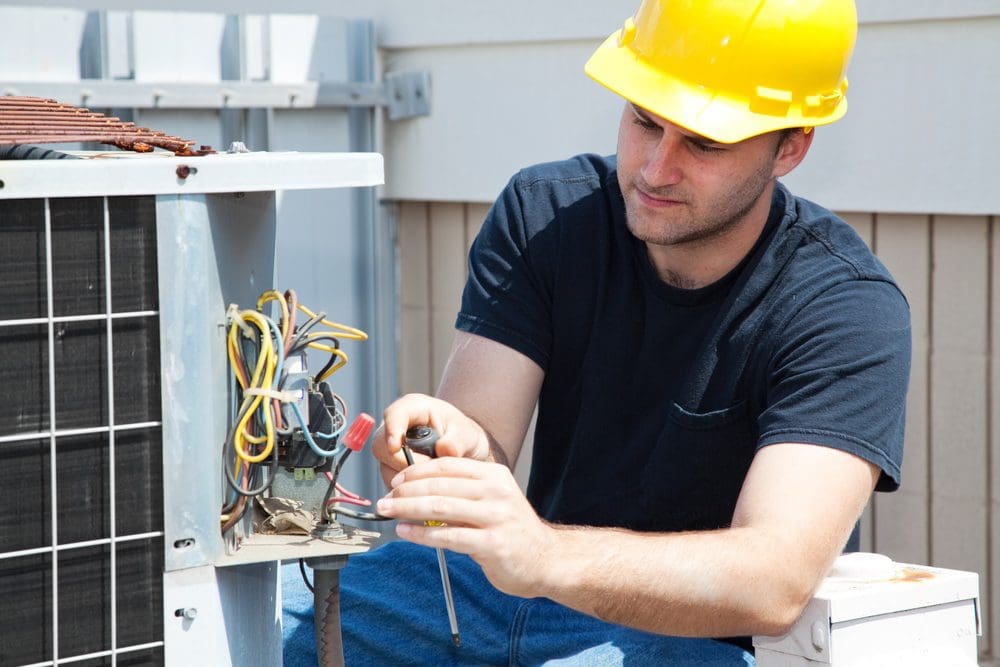
    Professional air conditioning repair can help identify what’s actually causing the problem instead of treating the most obvious symptom. For example, an air conditioner that isn’t cooling properly might have an airflow restriction, refrigerant issue, thermostat problem, or mechanical fault.

    Replacing random parts without knowing the cause can become expensive surprisingly quickly. A proper diagnosis gives you a clearer picture of what you’re dealing with.

    Strange Noises Shouldn’t Be Ignored

    Every HVAC system makes some noise. That’s normal. But a sudden grinding, buzzing, rattling, clicking, or squealing sound deserves attention.

    The noise could come from something relatively minor, such as a loose component or debris. It could also indicate a worn motor, damaged part, or another mechanical issue.

    You don’t necessarily need to panic at the first unusual sound. But if the noise keeps happening, especially if the system’s performance is changing at the same time, getting it checked is a sensible move.

    Small problems are generally easier to deal with than major breakdowns.

    Look at the Bigger Picture When Energy Bills Rise

    A higher electricity bill doesn’t always mean your air conditioner is failing. Weather, usage habits, and changes in energy rates can all play a role.

    Still, if your cooling costs suddenly increase without any obvious explanation, your HVAC system may be working harder than it should.

    Dirty coils, restricted airflow, aging components, duct leaks, and poor maintenance can all reduce efficiency. The system may continue running, but it takes more energy to produce the same level of comfort.

    That kind of gradual decline is easy to overlook until the monthly bill arrives.

    Why Reliable Service Matters

    When you invite someone to work on your HVAC system, you want more than a quick fix. You want someone who will explain the problem honestly and give you practical options.

    That’s where reliable service becomes important.

    A dependable HVAC company should communicate clearly, arrive prepared, and avoid recommending unnecessary work. If a repair is worthwhile, they should be able to explain why. If replacement makes more sense, they should explain the reasons behind that recommendation too.

    You shouldn’t feel pressured into making a decision you don’t understand.

    Experienced Technicians Can Spot What Others Miss

    HVAC systems can be surprisingly complicated. Modern equipment may include electronic controls, variable-speed components, sensors, and other technology that isn’t obvious to the average homeowner.

    That’s why working with professional technicians can make such a difference.

    Experienced technicians don’t just look at the symptom. They consider the system as a whole. Weak cooling, for instance, might not actually be caused by the component that first appears suspicious.

    Good troubleshooting takes patience. Sometimes the answer is straightforward. Sometimes it requires checking several parts before the real cause becomes clear.

    Maintenance Is Still One of the Best Investments

    Maintenance isn’t exciting, and it’s easy to put off when your AC appears to be working perfectly.

    But regular care can help reduce unnecessary wear and catch developing issues early.

    Homeowners should replace filters according to the manufacturer’s recommendations and keep the outdoor unit clear of leaves, grass, and debris. Professional maintenance may include checking airflow, electrical connections, coils, drainage, controls, and other components.

    A maintenance visit doesn’t guarantee that your system will never break down. Nothing can. But it can improve the odds of catching problems before they become emergencies.

    Repair or Replace? Consider the Age of the System

    Eventually, every air conditioner reaches the end of its useful life. The challenge is figuring out when repair stops making financial sense.

    If the unit is relatively young and has developed one manageable problem, repairing it may be the obvious choice.

    An older system with repeated breakdowns, rising energy costs, and declining performance is a different story. In that situation, replacing the equipment may provide better long-term value.

    Look at the complete picture rather than the price of one repair. Consider the system’s age, repair history, efficiency, expected lifespan, and replacement cost.

    Don’t Forget About Installation Quality

    If replacement is the right choice, don’t assume buying a high-efficiency unit automatically guarantees better performance.

    Installation matters.

    The equipment needs to be correctly sized for the property, and important details such as ductwork, electrical connections, drainage, refrigerant lines, and controls need to be handled properly.

    A poorly installed system can struggle even when the equipment itself is excellent. That’s why choosing a qualified contractor is just as important as choosing the unit.

    Comfort Depends on Consistent Care

    An air conditioner is easy to ignore when everything is working. Most of us do exactly that. But paying attention to small changes can save considerable frustration later.

    Watch for strange noises, inconsistent cooling, weak airflow, unusual odors, and rising energy bills. Keep filters clean, maintain the outdoor unit, and arrange professional inspections when necessary.

    Most importantly, don’t wait for a complete breakdown before taking action.

    A well-maintained AC system won’t necessarily last forever, but proper care can help it perform more reliably and efficiently for the years you have it. And when summer arrives at full force, having dependable cooling isn’t just convenient—it makes home feel like home.

  • Making Everyday Water More Convenient, Comfortable, and Reliable

    Making Everyday Water More Convenient, Comfortable, and Reliable

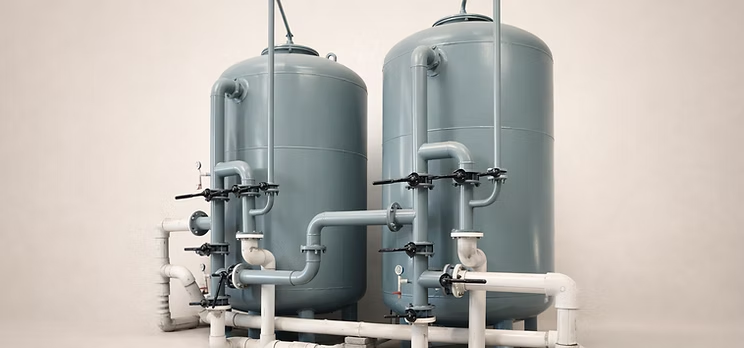
    Water plays a bigger role in daily life than most of us realize. We drink it, cook with it, clean with it, wash clothes, shower, and rely on it for countless household and business tasks. So when water quality or convenience becomes an issue, the effect can be surprisingly noticeable.

    The good news is that modern water treatment doesn’t have to be complicated. There are options for homeowners, offices, restaurants, and other businesses that can make water easier to manage without turning the whole process into a chore. From renting treatment equipment to arranging regular salt deliveries, the right service can take much of the hassle off your plate.

    Why Water Treatment Needs Can Be Different

    No two properties use water in exactly the same way. A small family home might mainly care about drinking water, hard-water buildup, and better-tasting water. A restaurant, meanwhile, may use hundreds or even thousands of gallons each day and have very different requirements.

    That’s why choosing a treatment solution based on actual water conditions is important. Factors such as hardness, sediment, taste, odor, water pressure, and household consumption can all influence what type of equipment makes sense.

    It’s tempting to buy the first system that looks impressive online, but that’s not always the smartest move. A system should solve a real problem rather than create a new one.

    Renting Can Make Treatment More Accessible

    Not everyone wants to purchase expensive treatment equipment upfront. This is especially true for renters, businesses watching their budgets, or property owners who aren’t sure how long they’ll remain in the same location.

    That’s where water treatment system rentals can be useful. Renting equipment can reduce the initial financial commitment while still giving a property access to professional treatment technology.

    Depending on the provider, rental arrangements may include equipment servicing, filter replacement, or other maintenance support. This can be appealing for people who would rather have someone else handle the technical details.

    For businesses, renting may also make budgeting easier. Instead of dealing with a large upfront purchase, the cost can sometimes be spread into predictable payments. It’s not automatically the best option for everyone, but it’s certainly worth considering when flexibility matters.

    Don’t Underestimate the Importance of Water Softening

    Hard water is a common issue in many areas. Calcium and magnesium can build up on faucets, showerheads, appliances, and plumbing components. You might notice white spots on dishes or find yourself constantly cleaning mineral deposits from bathroom fixtures.

    Water softening can help reduce the minerals responsible for this buildup. But traditional softeners often depend on salt, which means the supply needs to be monitored and replenished.

    For busy households, remembering to check salt levels isn’t exactly the highlight of the week.

    Making Salt Management Less of a Chore

    A salt delivery service can take some of that responsibility away. Instead of waiting until the softener is nearly empty and then making an emergency trip to buy several heavy bags, scheduled delivery can keep the necessary salt available.

    This can be particularly convenient for older homeowners, busy families, large properties, and businesses where water softening is essential to daily operations.

    Regular delivery also provides a little peace of mind. You don’t have to wonder whether the system is going to run out at an inconvenient time.

    The exact delivery schedule will depend on water usage and the size of the softener, so it’s worth choosing a plan based on actual consumption rather than simply guessing.

    Drinking Water Deserves Its Own Consideration

    Whole-property treatment and drinking-water treatment aren’t necessarily the same thing. Water that is suitable for bathing and cleaning may still have a taste or odor that makes you less enthusiastic about drinking it.

    This is where dedicated drinking water systems can provide another layer of convenience. Depending on the technology used, these systems may focus on reducing unwanted tastes, odors, sediment, or certain dissolved substances.

    Some are installed under the kitchen sink, while others can be designed for offices or larger commercial spaces. The best choice depends on what the water test shows and how much treated drinking water is needed.

    There’s something simple but satisfying about having a glass of water that tastes clean and refreshing without needing to buy bottled water every few days.

    Businesses Have More to Think About

    For a commercial property, water quality isn’t only about personal preference. It can affect equipment, operations, employees, customers, and operating costs.

    Restaurants, for example, rely on water for cooking, cleaning, ice production, dishwashing, and beverages. Hotels and offices may need dependable drinking water for employees and guests.

    A water treatment system that’s perfectly adequate for a family of four might be completely unsuitable for a busy business. Commercial systems need to account for flow rates, peak usage, available space, maintenance access, and the specific water-quality concerns involved.

    That makes professional evaluation especially valuable for larger properties.

    Maintenance Keeps the Investment Working

    One mistake people sometimes make is thinking that installing a treatment system means the work is finished. In reality, maintenance is part of the deal.

    Filters need to be replaced. Softener settings may need adjustment. Salt levels have to be monitored unless delivery is handled automatically. Components should also be checked periodically to make sure everything is working as expected.

    Neglecting maintenance can reduce performance and potentially shorten the useful life of the equipment. A system doesn’t have to be difficult to maintain, but it does need some attention.

    Fortunately, many providers offer service plans that make routine maintenance much easier.

    Look at the Full Cost, Not Just the Price Tag

    When comparing water treatment options, it’s easy to focus on the initial monthly payment or purchase price. But there are other costs worth considering.

    Ask about filter replacements, servicing, salt, installation, repairs, and contract terms. A cheaper system may not remain cheaper if replacement parts are expensive or maintenance is difficult.

    Likewise, a rental arrangement that includes regular servicing may provide more value than a basic equipment-only plan.

    The right decision isn’t always the one with the lowest price. It’s the one that provides reliable performance without creating unnecessary work or surprise expenses.

    A Little Convenience Goes a Long Way

    Water treatment should ultimately make life easier, not add another complicated task to an already busy schedule. Whether that means renting equipment instead of purchasing it, arranging regular salt deliveries, or installing a dedicated drinking-water system, modern options can be tailored around how people actually live and work.

    Start by understanding your water and identifying the problems that matter most. Then compare solutions based on performance, maintenance, cost, and convenience.

    Because at the end of the day, the best water treatment system is the one you barely have to think about. It quietly does its job, keeps water comfortable and dependable, and lets you get on with everything else that matters.

  • Choosing the Right Water Treatment and Filtration Solution for Your Home

    Choosing the Right Water Treatment and Filtration Solution for Your Home

    Clean water is one of those things most people don’t think much about until something changes. Maybe the tap water starts tasting odd. There’s a strange smell after a few days away. Or you notice white spots building up on faucets and shower doors. Sometimes, the signs are obvious. Other times, the water looks perfectly clear while still containing minerals, chemicals, sediment, or other unwanted substances.

    That’s where choosing the right water treatment system becomes important. Not every home has the same water quality, and there isn’t one solution that works equally well for everyone. A good approach starts with understanding what’s actually in your water and then choosing technology designed to address those specific concerns.

    Start by Understanding Your Water

    Before buying any equipment, it’s worth taking a closer look at your water source. Municipal water and private well water can have very different characteristics. Even homes in the same neighborhood may experience different issues because of plumbing materials, building age, or changes in local water supplies.

    Common water concerns include:

    • Hard water caused by calcium and magnesium
    • Chlorine taste or odor
    • Sediment and particles
    • Iron and manganese
    • Unpleasant sulfur or rotten-egg smells
    • Certain heavy metals
    • Microorganisms in untreated sources
    • Specific contaminants that require specialized treatment

    Testing is often the smartest first step. Instead of guessing which filter you need, a water analysis can give you a clearer picture of the problem. It also helps prevent spending money on equipment that solves an issue you never actually had.

    Hard Water Is More Than an Annoyance

    Hard water is probably one of the most familiar household water problems. You may notice it as chalky deposits around taps, dull-looking glassware, stiff laundry, or soap that refuses to lather properly.

    The underlying issue is usually dissolved calcium and magnesium. These minerals aren’t generally something you can see floating in the water. But over time, they can leave scale inside pipes, water heaters, showerheads, and appliances.

    A traditional water softener can help reduce these minerals and make everyday water use more comfortable. Softer water may also make cleaning easier because soap and detergents work more effectively.

    Still, softening isn’t the same as filtering. A softener is designed primarily to address hardness, while filtration focuses on other water-quality concerns. Understanding that distinction can save homeowners a lot of confusion.

    Filtration Should Match the Problem

    A good filtration system isn’t simply about having the most filters or the fanciest equipment under the sink. It’s about using the right treatment method for the contaminants you’re trying to reduce.

    For example, activated carbon is commonly used to improve taste and reduce chlorine and certain organic compounds. Sediment filters can capture particles such as sand, dirt, and rust. Reverse osmosis can provide a more intensive treatment approach for drinking water when appropriately configured.

    Whole-house filtration can make sense when water quality concerns affect bathing, cooking, laundry, and other daily activities. Point-of-use systems, meanwhile, may be more practical when the main goal is improving drinking and cooking water.

    There’s no prize for buying the biggest system. The better choice is the one that fits your water chemistry, household needs, available space, and budget.

    Whole-Home or Under-the-Sink?

    This is one of the practical decisions homeowners often face.

    A whole-home solution treats water as it enters the property, meaning multiple fixtures can receive treated water. This may be useful when there are concerns about chlorine, sediment, unpleasant odors, or other issues throughout the house.

    An under-sink system is more targeted. It can be a convenient choice if drinking and cooking water are the main priorities. You don’t necessarily need to treat every gallon used for gardening or toilet flushing when your biggest concern is what’s going into your drinking glass.

    Think about how your household actually uses water. A family that cooks frequently and drinks several gallons of water a day may have different priorities from someone living alone who mainly wants to improve taste.

    Don’t Ignore Maintenance

    Water treatment equipment isn’t a “set it and forget it” purchase. Filters need replacing. Some systems require cleaning, regeneration, sanitizing, or periodic inspection. If maintenance is neglected, performance can decline and operating costs may rise.

    Before choosing a system, ask how often components need attention and how much replacement media or filters typically cost. A system that looks inexpensive at first can become surprisingly costly if it requires frequent replacements.

    It’s also worth checking whether replacement parts are readily available. Nobody wants to discover that a basic filter cartridge takes weeks to arrive when the old one has already stopped working.

    Good maintenance isn’t glamorous, admittedly, but it’s what keeps treatment equipment doing its job year after year.

    When Professional Advice Makes Sense

    Online research can help you understand your options, but water treatment gets complicated surprisingly quickly. A professional can interpret test results, consider water pressure and flow requirements, inspect existing plumbing, and recommend equipment based on actual conditions rather than assumptions.

    This is where expert recommendations can be especially useful. The right professional shouldn’t simply push the most expensive product. They should explain why a particular treatment method is appropriate, what it will and won’t remove, and what ongoing maintenance looks like.

    Ask questions. What contaminants does the system target? What are its limitations? How frequently do filters need replacement? Will installation affect water pressure? What happens if the system stops working?

    Clear answers are a good sign.

    Think About the Long-Term Value

    Price matters, but it shouldn’t be the only deciding factor. A cheaper system may not provide the treatment you need, while an unnecessarily complex setup can waste money and space.

    Consider the total cost over several years, including installation, replacement filters, salt or media, electricity where applicable, and servicing. Also think about the value of convenience. If better water means fewer scale deposits, less bottled water, easier cleaning, or better-tasting drinks, those everyday benefits can add up.

    And remember, water quality isn’t static. Changes in municipal supplies, plumbing, wells, or environmental conditions can affect what comes out of your tap. Periodic testing is a sensible habit, particularly for private wells.

    A Better Approach to Cleaner Water

    Choosing water treatment equipment doesn’t have to feel like navigating a maze of technical terms and sales pitches. Start with the water itself. Test it, understand the results, identify the actual problem, and then compare treatment methods that are designed for that problem.

    The best solution is rarely the one with the longest feature list. It’s the one that quietly does what your household needs, fits your budget, and can be maintained without becoming a headache.

    After all, clean, good-quality water should make life simpler—not more complicated.

  • Choosing the Right Water Treatment Solution for Your Home

    Choosing the Right Water Treatment Solution for Your Home

    Clean water is one of those things most people don’t think about until there’s a problem. Maybe the water suddenly tastes strange. Perhaps you notice white spots on faucets, a sulfur-like smell from the sink, or a cloudy glass after filling it from the tap. These little signs can be easy to ignore, but they often point to water-quality issues that deserve attention.

    The good news is that you don’t necessarily need to overhaul your entire plumbing system to improve the water in your home. The right treatment depends on what’s actually in your water, where the problem occurs, and what you want the system to accomplish. Understanding the differences between common treatment options can make that decision much less confusing.

    Start by Understanding Your Water

    Before buying any water treatment equipment, it helps to know what you’re dealing with. Water quality can vary dramatically from one neighborhood to another, and even two homes on the same street may have different concerns depending on their plumbing, source, or well conditions.

    Municipal water may contain chlorine or chloramine used for disinfection, along with sediment and naturally occurring minerals. Well water can bring a different set of challenges, including iron, manganese, hardness, sulfur odors, and other contaminants.

    A water test is often the smartest first step. Instead of choosing equipment based on a neighbor’s recommendation or an online review, testing gives you actual information. It’s a bit like getting a diagnosis before taking medicine. You want to treat the problem, not simply guess at it.

    When Reverse Osmosis Makes Sense

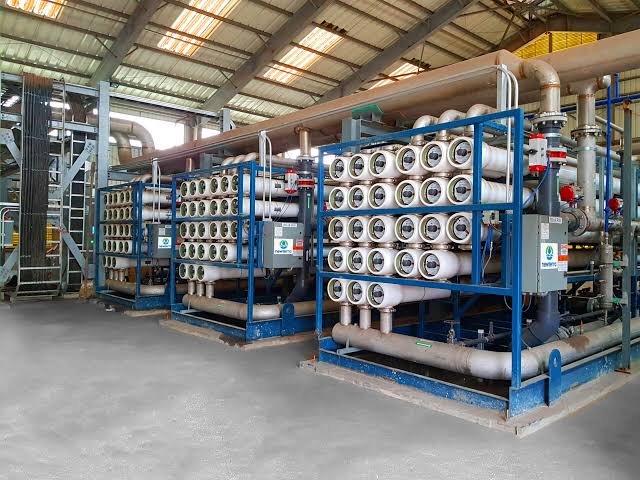
    If your main concern is the quality of drinking and cooking water, reverse osmosis can be an excellent option. reverse osmosis units use a semipermeable membrane to reduce many dissolved impurities from water, producing highly treated water at a dedicated faucet.

    They’re commonly installed under a kitchen sink, although larger configurations are available for specific applications. Depending on the system and membrane, reverse osmosis can reduce substances such as certain dissolved salts, heavy metals, fluoride, and other contaminants.

    There is a trade-off, though. Reverse osmosis isn’t usually designed to treat every drop of water entering your home. Using it for drinking water makes sense because that’s where high-quality water matters most, while showers, laundry, and toilets generally don’t require the same level of treatment.

    And don’t forget maintenance. Filters and membranes need to be replaced at appropriate intervals. A neglected system won’t perform as well as it should.

    Hard Water Needs a Different Approach

    Hard water is a different animal altogether. It contains elevated levels of minerals, primarily calcium and magnesium. These minerals aren’t generally a reason to panic about drinking water, but they can be a real nuisance around the house.

    You may see chalky deposits on showerheads, faucets, glassware, and appliances. Soap may struggle to lather, and water heaters can develop mineral scale over time. If you’ve ever scrubbed a bathroom faucet and wondered why those stubborn white marks keep coming back, hard water may be the culprit.

    This is where water softeners can make a noticeable difference. Rather than simply filtering water, a traditional softener exchanges hardness minerals for sodium or potassium ions, depending on the system and setup.

    The result can be softer-feeling water, less scale, easier cleaning, and potentially better efficiency for appliances affected by mineral buildup. Of course, not every household needs a softener. If hardness isn’t a significant issue, installing one may add unnecessary expense and maintenance.

    Filtration Is About Targeted Problems

    The word “filtration” sounds simple, but it covers a surprisingly broad range of technologies. A basic sediment filter can capture particles such as sand, dirt, and rust. Carbon filtration can help improve taste and reduce chlorine and certain organic compounds. More specialized media can target particular contaminants.

    That’s why comparing filtration systems based only on price isn’t particularly useful. A low-cost filter might be perfectly suitable for sediment but do very little against dissolved contaminants. Another system may be designed for chlorine reduction but won’t address hardness.

    Think of water treatment like choosing tools from a toolbox. You wouldn’t use a screwdriver to hammer in a nail just because both tools are sitting in the same drawer. The same idea applies here: the treatment method needs to match the problem.

    Whole-Home or Point-of-Use?

    One of the biggest decisions is whether you need treatment throughout the house or only at a particular location.

    Point-of-use equipment treats water at a specific faucet or appliance. Reverse osmosis at the kitchen sink is a classic example. It’s useful when drinking water is the priority and you don’t want to invest in treating the entire home’s supply.

    Whole-home treatment, on the other hand, is installed where water enters the property. It can address concerns across showers, sinks, washing machines, and other fixtures.

    Neither approach is automatically better. If the issue is limited to drinking water, point-of-use treatment may be more practical. If you’re dealing with hard water, sediment, chlorine, or unpleasant odors throughout the house, whole-home treatment may make more sense.

    Don’t Forget Maintenance

    Even the best water treatment equipment needs attention. Filters eventually become saturated. Membranes need replacement. Salt-based softeners need regular salt replenishment and periodic servicing.

    Skipping maintenance can reduce performance and, in some cases, create additional problems. Homeowners sometimes install a system and assume the job is finished. In reality, installation is only the beginning.

    Keep track of filter changes and service requirements. If you’re unsure when something needs attention, check the manufacturer’s recommendations or ask a qualified water-treatment professional. A little routine care is usually far cheaper than waiting until the system stops working properly.

    A Smarter Way to Choose

    There isn’t one universal water treatment system that’s perfect for every household. The right choice depends on your water source, test results, plumbing setup, household needs, and budget.

    Start with testing. Identify the actual contaminants or minerals causing concern. Then decide whether you need drinking-water treatment, whole-home protection, softening, filtration, or a combination of approaches.

    It’s tempting to buy the biggest or most expensive system available, especially when product descriptions promise cleaner, healthier water. But more equipment isn’t always better. A properly matched system is usually the wiser investment.

    Water quality is personal because it affects everyday life in ways you notice only when something feels off. The taste of morning coffee, the way your skin feels after a shower, the condition of your fixtures, and the lifespan of your appliances can all be influenced by what’s coming through your pipes.

    Take the time to understand your water first. Once you know the problem, choosing the right solution becomes much simpler—and you can spend your money on treatment that actually makes a difference.

  • Understanding Water Quality: What the pH Scale, Minerals, and Taste Really Tell You

    Understanding Water Quality: What the pH Scale, Minerals, and Taste Really Tell You

    Water is one of those everyday things we rarely stop to think about. We turn on a tap, fill a glass, and carry on with the day. Yet the quality of that water can influence its taste, appearance, and overall suitability for drinking. Terms such as pH, minerals, hardness, and purity often appear on water labels and filtration guides, but they can sound more complicated than they really are.

    Good water doesn’t necessarily mean water with the most minerals or the highest level of purity. It’s more about balance. Understanding a few basic ideas can make it easier to choose water for your home and understand what you’re actually drinking.

    What Does the pH Scale Tell Us?

    The pH scale is a simple way of describing whether a substance is acidic, neutral, or alkaline. It generally ranges from 0 to 14, with 7 considered neutral. Values below 7 are acidic, while values above 7 are alkaline.

    Natural drinking water can have a pH that varies depending on its source and the minerals or gases it encounters underground or in surface environments. Rainwater, groundwater, and treated municipal water may therefore have slightly different pH levels.

    For most people, however, pH isn’t something to obsess over. Water that falls within commonly accepted drinking-water ranges is generally suitable when it meets applicable safety standards. A higher pH doesn’t automatically make water healthier, just as a lower pH doesn’t necessarily mean the water is unsafe.

    Why Minerals Matter in Drinking Water

    Minerals are naturally present in many water sources. Calcium and magnesium are two familiar examples, and they contribute to what is commonly called water hardness. Other minerals may also occur in smaller quantities.

    These substances aren’t simply unwanted leftovers. In moderate amounts, naturally occurring minerals can contribute to water’s taste and character. Anyone who’s traveled to a different city has probably noticed that the water tastes a little different. Sometimes that difference comes from the local mineral composition.

    Still, more isn’t always better. Excessive mineral content can affect taste, leave deposits around taps, or create problems for household appliances. That’s why water treatment is usually about finding a sensible balance rather than stripping every dissolved substance away.

    Taste Is More Important Than People Think

    When people describe water as crisp, smooth, and mineral-rich, they’re often talking about several qualities at once. Temperature, mineral content, dissolved gases, and treatment methods can all influence the drinking experience.

    Taste is subjective, of course. One person may prefer very soft water with almost no noticeable mineral character, while another might enjoy water with a distinct mineral taste. There’s no universal winner here.

    Filtration can also change the flavor. Activated carbon filters, for example, are commonly used to reduce chlorine taste and certain organic compounds. Other treatment systems may address dissolved minerals or specific contaminants. The right approach depends on what’s actually present in the source water.

    Hard Water and Soft Water Explained

    Hard water contains higher concentrations of minerals, particularly calcium and magnesium. It isn’t automatically dangerous, but it can be frustrating around the house. White deposits on showerheads, cloudy glassware, and scale inside kettles are familiar signs.

    Soft water contains fewer of these minerals. It can feel different when washing and may produce less scale, although treatment methods that soften water can introduce other changes to its mineral composition.

    If you’re considering a water softener, it’s worth testing your water first. Guessing can lead to unnecessary expense. A basic water-quality test can reveal hardness and provide a clearer picture of what treatment, if any, makes sense.

    Filtration Doesn’t Mean One Thing

    The word “filtered” sounds reassuring, but different filters do different jobs. A simple carbon filter isn’t designed to remove every possible contaminant. Reverse osmosis systems work differently and can reduce many dissolved substances, while ultraviolet treatment is primarily used to address microorganisms.

    That distinction matters. A household should choose treatment based on the actual water problem rather than marketing claims. If the water supply is already treated and regularly tested, an elaborate filtration system may not be necessary.

    On the other hand, private wells or uncertain water sources can require more careful testing and treatment. In those situations, professional water analysis is a much better starting point than buying a filter simply because it looks impressive.

    How Water Quality Affects Everyday Life

    The quality of drinking water can be noticed in surprisingly ordinary moments. It may affect the taste of morning tea, the appearance of ice cubes, the buildup inside a coffee machine, or simply how refreshing a glass feels after a long walk.

    But taste and convenience shouldn’t replace safety. Microbial contamination, heavy metals, pesticides, and other unwanted substances can matter far more than whether water tastes slightly sweet or metallic. Reliable testing and appropriate treatment are therefore more important than chasing trendy descriptions.

    It’s also useful to remember that bottled water isn’t automatically superior to tap water. Quality depends on the source, treatment, storage, and local regulations. In many places, properly treated municipal water is perfectly reasonable for everyday use.

    Making a Smarter Choice

    Rather than looking for a magical number on a label, consider the whole picture. Where does the water come from? Has it been tested? What minerals are present? Are there known contaminants? Does the water have an unusual smell, color, or taste?

    For households with specific concerns, a laboratory water test can provide useful answers. From there, choosing filtration becomes much less of a guessing game.

    Ultimately, good water is about confidence as much as taste. It should be safe, pleasant to drink, and appropriate for the people using it. Once you understand pH, minerals, hardness, and filtration, water quality becomes far less mysterious. And perhaps that’s the best takeaway: you don’t need to become a water scientist. You just need enough information to make a sensible choice for your home and your everyday life.

  • A Practical Guide to Better Water Quality in Commercial Kitchens

    A Practical Guide to Better Water Quality in Commercial Kitchens

    Water quality matters in every commercial kitchen, but it often gets overlooked until something starts going wrong. A dishwasher leaves spots on glasses, coffee tastes slightly different, or an ice machine needs servicing more often than expected. These may seem like separate problems, yet water is often part of the story.

    Restaurants, cafés, hotels, hospitals, and catering businesses depend on water throughout the day. It touches food preparation, cleaning, beverages, sanitation, and equipment. Because of that, understanding the water entering a commercial property isn’t just a maintenance task. It’s part of running the business properly.

    Why Commercial Water Quality Deserves Attention

    Commercial kitchens use a lot of water. Unlike a typical household, several appliances may operate at the same time, sometimes for hours.

    Water can contain minerals, sediment, chlorine, and other substances depending on its source and local conditions. Hard water, in particular, can leave calcium and magnesium deposits inside equipment. Over time, those deposits may affect heating efficiency, water flow, and cleaning performance.

    The visible signs are easy to recognize. White spots on glassware, residue around faucets, and buildup on heating elements can all be clues. But not every water-quality issue is visible, which makes proper testing a smart starting point.

    Start With Commercial Water Testing

    Before installing treatment equipment, businesses should understand what they’re actually dealing with. Commercial water testing can provide useful information about hardness, pH, minerals, sediment, and other characteristics of the incoming supply.

    Testing is important because there isn’t one treatment system that works for every situation. A restaurant with hard water may need softening, while another facility may be more concerned about sediment or chlorine.

    It also helps businesses avoid unnecessary spending. Buying equipment first and asking questions later isn’t the best strategy. A test gives you a clearer direction and makes conversations with water-treatment professionals much more productive.

    How Water Treatment Supports Commercial Operations

    Once the water quality is understood, the next step is selecting appropriate treatment. Commercial water treatment can include several technologies, depending on the specific needs of the facility.

    Water softeners can help address hardness. Sediment filters can reduce suspended particles. Carbon-based filtration may be used for certain taste and odor concerns, while other technologies can target specific water-quality characteristics.

    The important thing is to match the technology with the actual problem. A system that works beautifully in one restaurant may be completely unnecessary—or insufficient—for another.

    Why Ice Machine Water Quality Matters

    Ice is often treated as just another kitchen ingredient, but it deserves more attention than it gets. Ice is consumed directly, used in beverages, and handled by equipment that can be sensitive to water quality.

    Minerals and sediment can collect inside an ice machine over time. That buildup may affect performance and, depending on the situation, the appearance or taste of the finished ice.

    This is where commercial ice machine filtration can become valuable. A dedicated filtration setup can help address certain water-quality concerns before the water enters the machine, potentially supporting better ice quality and reducing mineral-related maintenance.

    Of course, the right filter depends on the water conditions and the manufacturer’s requirements. Not every filter removes the same substances, so compatibility matters.

    Protecting Expensive Kitchen Equipment

    Commercial kitchens depend on equipment that isn’t cheap to replace. Ice machines, steamers, coffee makers, dishwashers, boilers, and hot-water systems can all be affected by poor water conditions.

    Mineral scale can interfere with heat transfer and reduce efficiency. Sediment can collect in valves and components. Over time, these issues may lead to more frequent cleaning or servicing.

    Water treatment won’t eliminate every equipment problem, but it can address certain water-related stresses. For a busy kitchen, preventing avoidable problems is usually better than dealing with them during the dinner rush.

    Better Water Can Improve Everyday Cleaning

    Cleaning is another area where water quality can make a difference. Hard water can leave spots and residue on dishes, glasses, stainless-steel surfaces, and fixtures.

    Staff may compensate by using more cleaning products or spending extra time removing mineral marks. Neither approach is ideal. It adds work to an already busy environment.

    When water treatment is properly matched to the problem, cleaning routines may become easier and more consistent. The improvement isn’t always dramatic, but small efficiencies matter when they’re repeated hundreds of times every week.

    Maintenance Still Plays a Major Role

    Installing filtration equipment doesn’t mean the job is finished. Filters need replacement, systems require inspection, and ice machines still need routine cleaning according to manufacturer and health requirements.

    A neglected filter can lose effectiveness, while an overdue maintenance task can create bigger problems later. Commercial kitchens should keep simple records showing when filters were changed and when equipment was serviced.

    Staff training helps too. Employees should know what unusual tastes, odors, leaks, or changes in equipment performance might indicate. Someone noticing a small issue early can save a manager from dealing with a much larger one later.

    Think About the Long-Term Cost

    Businesses naturally focus on the upfront price of treatment equipment, but the bigger financial picture deserves attention.

    Consider maintenance, replacement filters, water consumption, energy use, equipment servicing, and potential downtime. A system that costs slightly more initially may provide better long-term value if it is properly sized and easier to maintain.

    At the same time, don’t pay for technology you don’t need. The right system is the one that solves the actual water problem without adding unnecessary complexity.

    A Smarter Approach to Commercial Water

    Good water management isn’t about making a commercial kitchen complicated. It’s about understanding the water, protecting equipment, and keeping daily operations running smoothly.

    Start with testing. Identify the main concerns, then choose treatment designed for those specific conditions. For kitchens that depend heavily on ice, beverages, dishwashing, and hot-water equipment, the benefits can extend far beyond better-looking water.

    In a busy commercial environment, reliability matters. When water quality is managed properly, equipment can be easier to maintain, cleaning routines can run more smoothly, and staff have one less problem to worry about.

    That’s the real value of thoughtful water treatment: not flashy technology, but dependable performance in the background while the business gets on with what it does best.

  • Receiving Warehouse & Storage: A Complete Guide to Efficient Inventory Management

    Receiving Warehouse & Storage: A Complete Guide to Efficient Inventory Management

    Introduction

    A well-organized Receiving Warehouse & Storage process is essential for businesses that manage inventory, distribute products, or operate eCommerce stores. Every shipment entering a warehouse must be received, inspected, documented, and stored correctly to ensure smooth operations. An efficient receiving system reduces inventory errors, prevents product damage, and improves customer satisfaction. Whether you manage a small warehouse or a large distribution center, implementing the right receiving and storage practices can significantly improve productivity while lowering operational costs.

    What Is Receiving Warehouse & Storage?

    Receiving warehouse operations involve accepting incoming shipments from suppliers, verifying their accuracy, inspecting product quality, and recording inventory into the warehouse management system. Once the inspection is complete, products are placed into designated storage locations for future picking and shipping.

    A structured receiving process ensures inventory accuracy, minimizes discrepancies, and allows businesses to maintain complete visibility of their stock levels throughout the supply chain.

    Why Receiving Is Important

    The receiving stage is one of the most critical parts of warehouse management because it establishes inventory accuracy from the very beginning. If products are counted incorrectly or damaged items are accepted, those mistakes affect the entire supply chain.

    An effective receiving process helps businesses:

    • Prevent inventory shortages
    • Eliminate receiving errors
    • Reduce damaged inventory
    • Improve supplier accountability
    • Increase warehouse efficiency
    • Speed up order fulfillment

    Accurate receiving also creates a strong foundation for inventory tracking and reporting.

    Best Practices for Warehouse Receiving

    Successful warehouses follow standardized receiving procedures to ensure every shipment is processed consistently. Employees should compare incoming deliveries with purchase orders, inspect packaging for damage, count inventory carefully, and record all information immediately.

    Using barcode scanners and warehouse management software reduces manual entry errors while speeding up the receiving process. Assigning dedicated receiving docks also helps minimize congestion and improves workflow throughout the warehouse.

    Employee training is equally important because knowledgeable staff members can quickly identify discrepancies and maintain operational accuracy.

    Efficient Storage Solutions

    Once inventory has been received, it must be stored correctly for easy access and protection. warehouse storage solutions play a major role in maximizing available warehouse space while improving inventory organization.

    Products should be stored according to factors such as weight, size, demand frequency, and handling requirements. Fast-moving inventory should remain close to shipping areas, while seasonal products can be stored in secondary locations.

    Proper labeling, organized shelving, and clearly marked aisles reduce picking times and improve warehouse efficiency.

    Types of Warehouse Storage Systems

    Modern warehouses use several storage systems depending on inventory type and operational requirements. Common storage options include:

    Selective Pallet Racking

    The most widely used storage system that provides direct access to every pallet.

    Drive-In Racking

    Ideal for storing large quantities of similar products while maximizing storage density.

    Cantilever Racking

    Designed specifically for long items such as pipes, lumber, and steel bars.

    Bin Shelving

    Perfect for organizing small components and frequently picked inventory.

    Mezzanine Storage

    Adds additional storage levels without expanding the warehouse footprint.

    Selecting the right storage system increases capacity while maintaining accessibility.

    Technology in Receiving Warehouse Operations

    Technology has transformed warehouse receiving over the past decade. Warehouse Management Systems (WMS), RFID tracking, barcode scanning, and automated inventory software provide real-time inventory visibility and streamline operations.

    Automation helps businesses reduce paperwork, improve inventory accuracy, and monitor stock movement more effectively. Real-time reporting allows warehouse managers to identify issues quickly and make informed operational decisions.

    Integrating technology into receiving operations also improves communication between suppliers, warehouses, and customers.

    Common Warehouse Receiving Challenges

    Many warehouses experience challenges that affect productivity and inventory accuracy. Common problems include delayed shipments, incorrect purchase orders, damaged goods, limited storage space, and manual data entry errors.

    Businesses can overcome these challenges by implementing standardized receiving procedures, conducting routine inventory audits, maintaining organized storage layouts, and strengthening supplier communication. Continuous process improvement helps warehouses adapt to changing inventory demands while maintaining operational efficiency.

    Conclusion

    A successful warehouse begins with an organized Receiving Warehouse & Storage process. From inspecting incoming shipments to storing products efficiently, every step contributes to better inventory accuracy, lower operating costs, and faster customer service. Businesses that invest in modern warehouse technology, employee training, and optimized storage systems create a more productive and reliable supply chain. As customer expectations continue to grow, efficient receiving and storage operations will remain essential for long-term business success and sustainable warehouse management.

  • Car Rental Services in Goa: Your Complete Guide to Hassle-Free Travel

    Car Rental Services in Goa: Your Complete Guide to Hassle-Free Travel

    Explore Goa with the Freedom of Your Own Vehicle

    Goa is a dream destination known for its beautiful beaches, vibrant nightlife, Portuguese heritage, and scenic coastal roads. To truly experience everything the state has to offer, having reliable transportation is essential. Renting a vehicle allows travelers to move freely, discover hidden attractions, and travel comfortably without relying on public transport or expensive taxi services. Whether you are visiting for a family vacation, honeymoon, business trip, or solo adventure, rental vehicles make every journey more enjoyable.

    Choose Reliable Rental Providers

    Finding trusted car rental companies in goa  is the first step toward a smooth and stress-free travel experience. Professional rental providers offer a wide selection of vehicles, including hatchbacks, sedans, SUVs, and luxury cars to suit every budget and travel requirement. Many companies provide online booking, flexible rental durations, transparent pricing, and well-maintained vehicles. Choosing a reputable provider ensures quality service, roadside assistance, and a hassle-free driving experience throughout your trip.

    Enjoy Comfortable and Flexible Road Trips

    Travelers looking for convenience often prefer car goa rental services because they offer complete freedom to explore at their own pace. Instead of following fixed schedules or waiting for public transportation, you can create your own itinerary and visit famous destinations like Calangute Beach, Baga Beach, Fort Aguada, Anjuna, and Dudhsagar Falls whenever you wish. Rental cars provide greater comfort, especially for families and groups carrying luggage, making long drives across Goa more relaxing and enjoyable.

    Vehicle Rentals for Every Travel Need

    Whether you require a compact car for city driving or an SUV for longer road trips, goa vehicle rent  services provide a variety of options for every traveler. Rental agencies understand that different customers have different requirements, so they offer vehicles suitable for solo travelers, couples, families, and corporate visitors. Many providers also include flexible pickup and drop-off locations, allowing customers to collect and return vehicles at airports, railway stations, hotels, or city centers according to their convenience.

    Discover Goa Without Limitations

    Choosing car hire in goa allows visitors to experience the destination beyond the popular tourist attractions. With your own vehicle, you can explore peaceful villages, hidden waterfalls, local seafood restaurants, spice plantations, and less-crowded beaches that are often difficult to reach using public transportation. Self-guided travel gives you the flexibility to stop for photographs, enjoy scenic viewpoints, and spend more time at your favorite destinations without worrying about transportation schedules.

    Benefits of Renting a Car in Goa

    Car rentals offer numerous advantages that enhance the overall travel experience. Renting eliminates the costs associated with vehicle ownership, including maintenance, servicing, insurance, and depreciation. Travelers also enjoy the convenience of choosing a vehicle based on their group size, travel preferences, and budget. Modern rental companies maintain their fleets regularly, ensuring customers receive clean, fuel-efficient, and reliable vehicles.

    Many providers now offer fully digital booking systems where customers can compare prices, upload documents, complete payments, and receive instant confirmations online. This saves valuable time and simplifies the rental process before arriving in Goa.

    Tips for Selecting the Best Rental Service

    Before booking your rental vehicle, compare pricing from multiple providers and read customer reviews to evaluate service quality. Carefully review the rental agreement, including fuel policies, mileage limits, insurance coverage, and security deposit requirements. Inspect the vehicle before driving away and document any existing damage to avoid disputes later. Carry a valid driving license and government-issued identification to complete the rental formalities smoothly.

    Booking your rental car in advance is especially beneficial during Goa’s peak tourist season, when vehicle demand increases significantly and availability may become limited.

    Conclusion

    Renting a vehicle is one of the smartest ways to explore Goa comfortably and efficiently. Whether you’re planning short city drives, beach hopping, or long scenic road trips, rental services provide flexibility, affordability, and convenience for every type of traveler. With a wide variety of vehicles, transparent pricing, easy online reservations, and dependable customer support, car rental services continue to be the preferred transportation choice for visitors. By selecting a trusted rental provider and planning your trip ahead of time, you can enjoy a memorable, stress-free, and exciting Goa vacation while discovering every corner of this beautiful coastal paradise.

    If you’d like, I can also create a version optimized for higher keyword density while maintaining natural readability and SEO best practices.

  • Keeping Your Home Cool Shouldn’t Feel Like a Constant Battle

    Keeping Your Home Cool Shouldn’t Feel Like a Constant Battle

    A comfortable home has a quiet kind of magic to it. You don’t always notice it when everything is working well. The air feels fresh, the rooms stay steady, and nobody is walking around complaining that one bedroom feels like an oven while the living room feels like a fridge.

    But when cooling problems start, they interrupt everything. Sleep becomes restless. Afternoon heat lingers indoors. The system runs and runs, yet the house still feels heavy. That is usually the moment homeowners realise how much they depend on reliable cooling every single day.

    Why Cooling Problems Start Small

    Most air conditioning issues do not appear overnight. They build slowly. Maybe the air from the vents feels weaker than before. Maybe the unit starts making a new sound. Maybe the energy bill climbs even though your habits haven’t changed much.

    These little signs are easy to ignore. After all, if the system still turns on, it feels like the problem can wait. But waiting often allows worn parts, dirty coils, airflow restrictions, or refrigerant issues to get worse.

    Understanding the System Behind the Comfort

    Modern cooling systems are designed to do more than blow cold air into a house. They help control temperature, airflow, humidity, and overall efficiency. When one part is struggling, the whole system can feel off.

    A dirty filter can reduce airflow. A failing capacitor can make the system work harder to start. Leaky ductwork can waste cooled air before it reaches the rooms. Even thermostat placement can affect how evenly a home cools. The system works as a team, and one weak link can change everything.

    Comfort Is More Than a Number

    Many people think comfort is just about setting the thermostat lower. But true indoor comfort depends on several things working together. Temperature matters, of course, but so does humidity, airflow, insulation, and how evenly cooled air moves through the home.

    That’s why two houses set to the same temperature can feel completely different. One may feel crisp and balanced, while the other feels damp, stuffy, or uneven. A proper HVAC inspection can help identify what is causing that difference.

    Why Skilled Service Makes a Difference

    Good HVAC work requires more than replacing a part and leaving quickly. Expert technicians look at the full picture. They inspect equipment, listen to the homeowner’s concerns, check performance, and explain what they find in plain language.

    This matters because cooling problems can have similar symptoms but different causes. Weak airflow might be a dirty filter, a blower issue, duct restriction, or low refrigerant. Guessing can waste money. A careful diagnosis helps homeowners choose the right repair.

    Maintenance Prevents Bigger Trouble

    Routine maintenance may not sound exciting, but it is one of the best ways to protect an AC system. Cleaning coils, replacing filters, checking electrical connections, clearing drain lines, and measuring system performance can help catch small problems early.

    It is a little like taking care of a car. You do not wait until the engine quits before checking oil, tyres, or brakes. Cooling equipment also needs attention if you expect it to work hard through hot weather.

    Energy Bills Can Reveal Hidden Issues

    A rising energy bill is often one of the first signs that something is wrong. If the system has to run longer to reach the same temperature, it uses more electricity. Dirty components, aging parts, duct leaks, and poor airflow can all increase energy use.

    Sometimes the increase happens gradually, so homeowners get used to it. But if comfort is getting worse while bills are getting higher, the system deserves a closer look.

    When Repair Is Enough

    Not every cooling problem means replacement is needed. Many systems can be restored with a well-timed repair. A faulty capacitor, clogged drain line, worn contactor, dirty coil, or thermostat issue may be fixable without replacing the whole unit.

    The key is honest advice. A technician should explain whether the repair makes sense based on the system’s age, condition, and repair history. If the unit still has useful life left, a proper repair may be the best choice.

    When Replacement Becomes Practical

    There comes a point when repairs become too frequent or too expensive. If an older system struggles every summer, uses too much energy, or cannot cool the home evenly, replacement may be worth considering.

    A new system should be properly sized for the home. Bigger is not always better. An oversized unit may cool too quickly without removing enough humidity, while an undersized one may run constantly. Good installation is just as important as the equipment itself.

    The Home Plays a Role Too

    An HVAC system does not work alone. Insulation, windows, attic heat, duct design, vent placement, and air leaks all affect cooling performance. If the home allows heat in too easily, even a strong system may struggle.

    Simple improvements can help. Sealing air leaks, keeping vents open, changing filters regularly, and using curtains during peak sun hours may support better comfort. These are small steps, but they add up.

    Final Thoughts

    A reliable cooling system is not only about surviving hot days. It is about sleeping better, relaxing indoors, protecting air quality, and keeping daily life comfortable without constant worry.

    When homeowners pay attention to early warning signs, schedule regular maintenance, and work with skilled professionals, cooling problems become easier to manage. The goal is simple: a home that feels comfortable without making the system fight harder than it should.